Xiaomi has officially launched its latest smartphones, the Xiaomi 17 and Xiaomi 17 Ultra, with a strong emphasis on camera hardware innovation rather than artificial intelligence (AI) enhancements. This announcement came on Tuesday, as the company seeks to distinguish itself in a competitive market focused on imaging capabilities.
According to Angus Ng, Xiaomi’s communications director, the company is prioritizing hardware advancements. “We are still exploring the limits of hardware,” Ng stated, emphasizing that the company will consider software improvements only when hardware innovation becomes increasingly challenging. This approach marks a departure from some competitors who have heavily focused on AI-driven features.
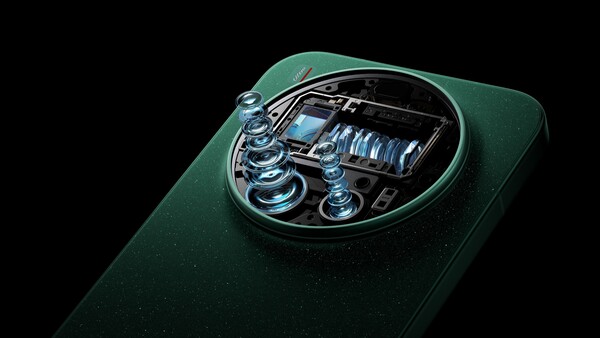
Xiaomi has integrated AI-based image processing into its devices, but Ng indicated that the company does not place it at the forefront of its marketing strategy. He noted that previous focus on AI processing did not yield favorable consumer feedback. Instead, Xiaomi aims to showcase its optical technology, collaborating with Leica to develop high-quality lenses. The 17 Ultra models feature a premium Leica Summilux lens, while the 17 Pro is equipped with the less expensive Summicron lens.
Ng explained that the differentiation between the two models is intentional, designed to highlight the variations in lens structure and performance. “We split the two models to clearly distinguish differences in lens structure and performance,” he remarked. This strategy, according to Ng, has garnered a more positive response from existing customers, reaffirming Xiaomi’s commitment to hardware innovation as its primary focus.
The Xiaomi 17 Ultra is noted for its sleek design, being both the thinnest and lightest in the company’s Ultra series to date. Despite housing a robust 6,000 mAh battery, the device measures only 8.29 mm in thickness, a feat that showcases the company’s engineering capabilities.
This shift toward hardware prominence is notable, especially as many smartphone manufacturers increasingly rely on AI to enhance user experience and functionality. By prioritizing optical technology and lens quality, Xiaomi is positioning itself as a serious competitor in the premium smartphone market, particularly in photography-focused segments.
The decision to emphasize hardware could have significant implications for Xiaomi’s market standing as consumers continue to seek devices that excel in camera performance. As the smartphone landscape evolves, Xiaomi’s approach may resonate well with photography enthusiasts and those who prioritize image quality over AI-driven features.
In an industry constantly pushing for technological advancements, Xiaomi’s focus on hardware innovation highlights a critical shift in strategy. The success of the Xiaomi 17 and 17 Ultra could set a precedent for future devices, further influencing how manufacturers balance between software and hardware in their offerings. With an eye on consumer feedback and tangible improvements, Xiaomi is forging a path that may redefine its reputation in the highly competitive smartphone market.
See also Micron Launches 256GB SOCAMM2 LPDRAM, Setting New Standard for AI and HPC Memory Solutions
 JetStream Security Secures $34M to Enhance AI Oversight and Governance Tools
 Ellucian Reveals 66% of Institutions Now Leverage AI, Data Privacy Remains Top Barrier
 Accenture Acquires Ookla for $1.2B to Enhance AI Infrastructure with Network Intelligence