The forthcoming sessions of the National People’s Congress are set to spotlight the 2026 GDP growth target outlined in Premier Li’s government work report. As delegates convene, anticipation mounts regarding the implications this target will have for China’s economic trajectory amid global uncertainties.
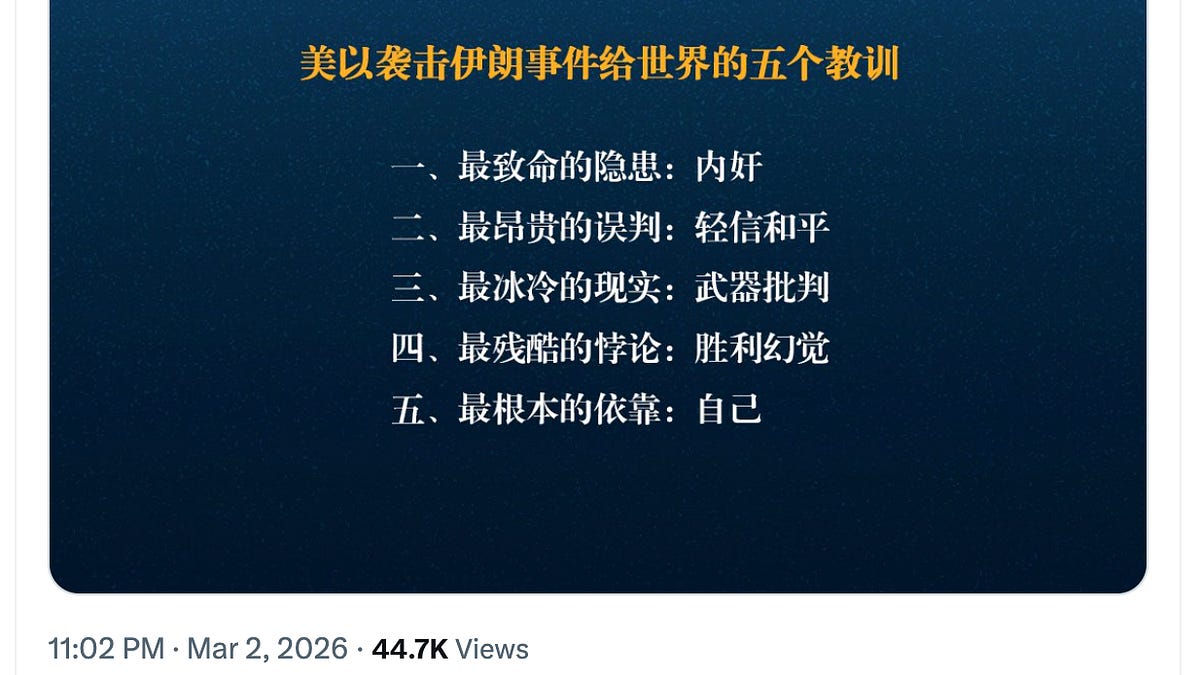
In related geopolitical developments, China has voiced strong opposition to military actions against Iran, particularly those undertaken by Israel and the United States. In a recent conversation, Chinese Foreign Minister Wang Yi discussed the situation with Israeli counterpart Gideon Sa’ar. According to the official readout from the People’s Republic of China (PRC), Wang articulated that military force is not a viable solution to existing problems, emphasizing that such actions often lead to new challenges and severe repercussions.
Wang underscored that the real strength of military capability lies not in its application during warfare but rather in its power to avert conflict. He called for an immediate halt to military actions in order to prevent the escalation of hostilities in the region, asserting that China is committed to maintaining a balanced stance on Middle Eastern affairs while playing a constructive role in de-escalating tensions.
This diplomatic engagement comes at a time when the situation in the Middle East remains volatile, and the implications of military interventions are increasingly scrutinized. In a routine press briefing, Foreign Ministry spokesperson Mao Ning reiterated China’s call for safeguarding shipping routes in the region, reinforcing the nation’s position on the importance of stability for global trade.
The backdrop of these discussions is significant as nations navigate complex geopolitical landscapes and economic pressures. With the National People’s Congress looming, analysts are keenly observing not only the economic targets being set but also China’s foreign policy direction, especially regarding contentious issues in the Middle East.
As the Congress convenes, the interplay between economic strategy and international relations will be pivotal. The 2026 GDP growth target will be a crucial benchmark as China seeks to balance domestic growth with external challenges, including trade tensions and security concerns. Stakeholders worldwide are poised to gauge the implications of China’s policies on global markets and international stability.
Looking ahead, the outcomes of the National People’s Congress could shape both China’s economic landscape and its role in global affairs. As the world watches closely, it remains to be seen how China will navigate these intricate dynamics in the coming years.
See also Microsoft Signals Windows 12 Will Require AI Chips for Full Performance by 2026
 Nvidia’s GTC Conference in March May Propel Stock Growth Amid AI Market Surge
 Women’s Leadership Crucial for AI Progress: Boosting Diversity in Tech Decision-Making
 Google AI’s Chatbot Allegedly Incited Suicide and Airport Bombing Plot in Lawsuit
 DeepSeek Predicts XRP Price to Reach $1.75 by March 31, 2026 Amid Market Volatility