






















































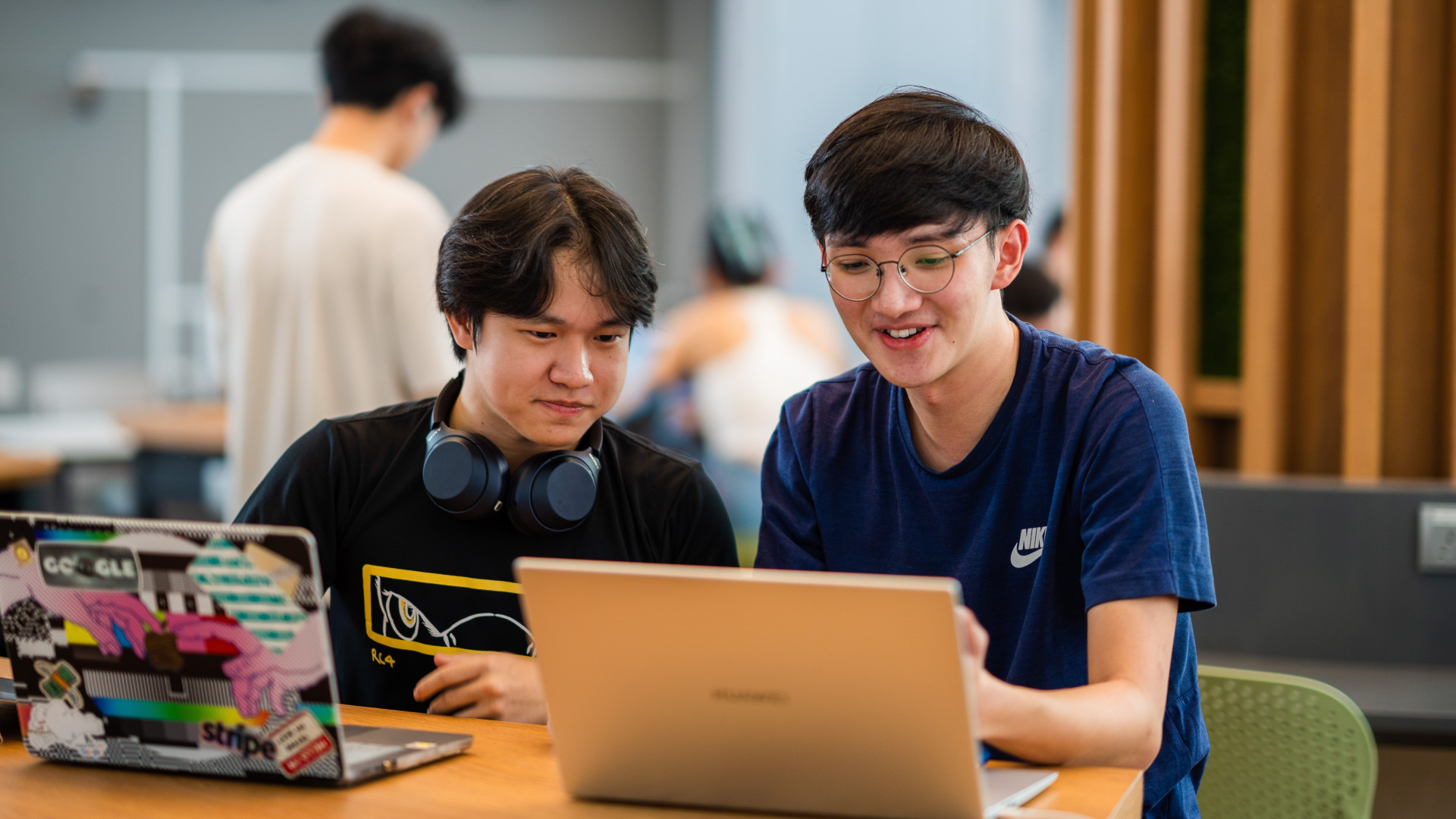
The National University of Singapore (NUS) School of Computing is expanding its Artificial Intelligence (AI) curriculum to better prepare students for the increasingly AI-driven job market. The school has long integrated AI concepts into its courses, offering advanced studies in machine learning, intelligent systems, and human-AI interaction. With the introduction of dedicated degree programmes in Artificial Intelligence and Business AI Systems, NUS is reinforcing its commitment to fostering expertise and talent in AI.
Students at NUS Computing will soon benefit from secure educational environments designed to facilitate experimentation with advanced AI technologies while ensuring the privacy and security of institutional data. This initiative aims to enhance students’ abilities to prototype ideas swiftly, explore various design methodologies, and concentrate on higher-level system design and problem-solving, all while solidifying their grasp of fundamental computing principles.
The integration of these advanced tools will occur across over 30 undergraduate courses, allowing students to design and develop software systems through modules focused on software engineering, systems development, and industry-linked capstone projects. Noteworthy courses already integrating AI technologies include CS3216 Software Product Engineering for Digital Markets, where students use agentic AI to create user-friendly software that addresses real-world challenges; CG2271 Real-Time Operating Systems, which teaches students to design systems that interact with their environment; and IS4403 Agentic AI Solutions and Development, where students develop autonomous AI solutions that assist in complex decision-making.
NUS Computing is also collaborating with prominent AI laboratories and industry partners to enrich teaching and experimentation, providing students with access to emerging AI technologies. These partnerships are designed to enhance student learning experiences through practical applications in real-world contexts.
In addition to course work, students engage in industry-linked capstone projects, allowing them to apply AI technologies to address tangible challenges. These projects involve integrating data engineering, machine learning models, and software engineering to create intelligent systems capable of automating processes, generating insights, and supporting decision-making across various fields. Projects have included AI-driven search systems, intelligent digital assistants, recommendation platforms, and AI-enabled analytics solutions, offering students the chance to collaborate with industry and public-sector partners while gaining practical experience in developing production-ready AI applications.
Beyond traditional classroom settings, students will have opportunities to participate in workshops, training sessions, hackathons, and build days organized in partnership with OpenAI and other industry affiliates. These initiatives are designed to allow students to experiment with cutting-edge AI technologies, build AI-native prototypes, and gain exposure to real-world problem-solving practices. The collaboration with OpenAI will explore pathways that connect NUS Computing students with the broader AI innovation ecosystem, including opportunities to showcase applied projects and engage with industry leaders.
Jordan Seow, a 2021 alumnus of NUS Computing and currently a Forward Deployed Engineer at OpenAI, emphasized the significance of these developments. “Having studied at NUS Computing, it’s incredibly encouraging to see students today gaining early access to tools like ChatGPT and Codex as part of their learning journey. When I was a student, we focused on building strong foundations in algorithms and systems, and those fundamentals remain essential. What’s exciting now is that students can combine those foundations with powerful AI tools to prototype faster and experiment more boldly. It’s inspiring to see the next generation of NUS students building the skills that will shape the future of technology and help solve real-world problems,” he said.
NUS Computing is committed to nurturing the next generation of leaders by equipping graduates with the skills necessary to design, innovate, and lead the development of advanced computing and AI systems that will influence the future of the digital economy. This comprehensive approach aims not only to enhance educational outcomes but also to ensure that students are well-prepared to navigate and shape the evolving technological landscape.
See also US Mandates Approval for All AI Chip Exports to Enhance National Security
 Nominal Secures $80M to Enhance AI Engineering Platform and Expand Global Operations
 AI Companies Show Job Growth Despite Layoffs; ECB Data Reveals 4% Hiring Boost
 Duolingo Surpasses 50M Daily Users, Launches 148 Courses with AI-Powered Max
 TU Braunschweig Reveals Energy-Efficient GaN microLED System for AI Chips














