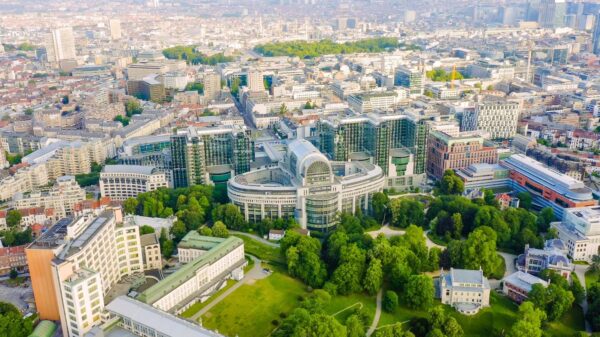
Two years after the European Parliament passed the Artificial Intelligence Act, Members of the European Parliament (MEPs) adopted a report addressing copyright and generative AI this week. On Tuesday, March 10, Parliament passed its resolution titled “Copyright and generative artificial intelligence – opportunities and challenges” with an overwhelming majority of 460 votes in favor, 71 against, and 88 abstentions.
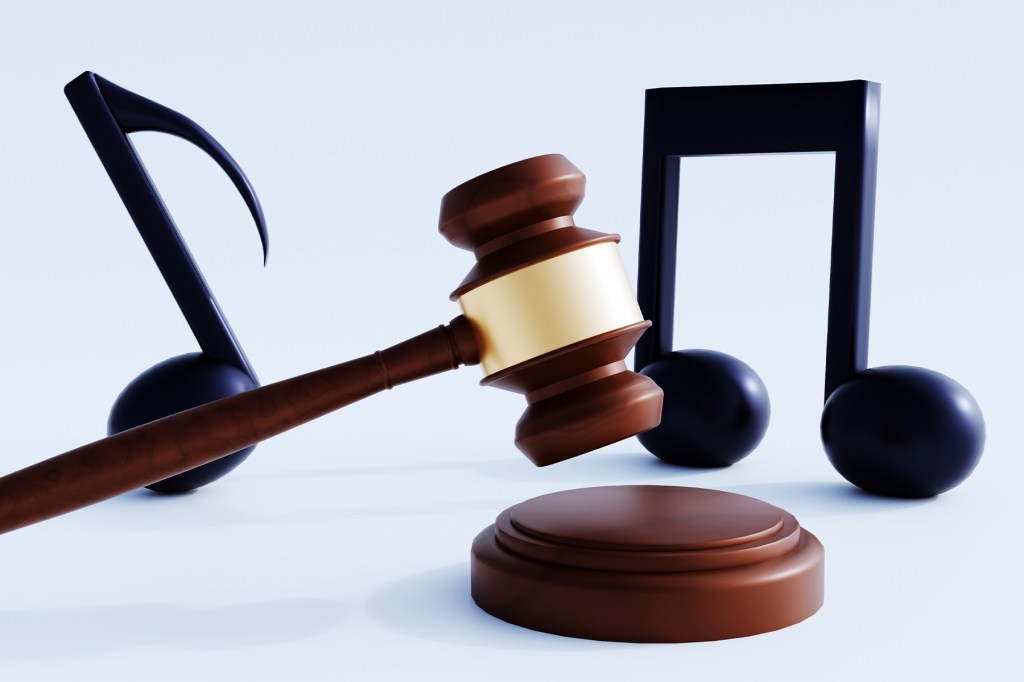
The report emphasizes the need for the EU and its 27 member states to tackle crucial issues surrounding how AI and tech companies engage with copyright-protected music in the digital landscape. It explores the potential for a licensing system to ensure fair compensation for the use of creative works.
Led by rapporteur Axel Voss (EPP, Germany), the vote is regarded by music industry representatives as a significant step forward. However, they caution that considerable work lies ahead. “As the European Commission is currently assessing the EU copyright framework, the Parliament has clearly recognized the need for action to ensure fairness, transparency, and appropriate remuneration for creators in the generative AI market,” said Adriana Moscoso del Prado, General Manager of GESAC, the European group of societies of authors and composers.
The European Composer and Songwriter Alliance (ECSA) also welcomed the outcome, which aligns with the organization’s ongoing calls for a high-level debate on the relationship between copyright and generative AI.
“Today’s adoption of this resolution by the European Parliament marks an important step towards ensuring consent, transparency, and remuneration of rightsholders in the context of AI, answering our calls for a long-overdue democratic debate on these issues,” stated Helienne Lindvall, songwriter and ECSA president.
She urged the European Commission to consider these crucial recommendations and propose an additional legal framework to protect authors’ rights in the age of AI.
IMPALA’s executive chair Helen Smith echoed these sentiments, stating, “While we do not agree with all the recommendations in the report, we fully agree exclusive rights are key. We also welcome the Parliament’s emphasis on the importance of voluntary licensing. For our members, European independent music companies, voluntary licensing—whether individual or collective—based on exclusive rights and contractual freedom to decide whether to authorize, is essential to build a licensing market for the use of copyright-protected music by generative AI models.”
The trade body, representing over 6,000 independent music companies across Europe, is urging the European Parliament and Commission to focus on the implementation of the current copyright regime rather than seeking to amend it.
In Europe, AI is perceived as both a boon and a challenge for a creative sector that contributes an estimated 6.9% to the EU’s GDP. “We need clear rules for the use of copyright-protected content for AI training,” rapporteur Voss stated after the vote. “Legal certainty would let AI developers know which content can be used and how licenses can be obtained. Conversely, rightsholders would be protected against unauthorized use of their content and receive remuneration. If we want to promote and develop AI in Europe while also protecting our creators, then these provisions are absolutely indispensable.”
As the landscape of generative AI evolves, the European Parliament’s resolution signifies a critical juncture for the intersection of technology and copyright law, as stakeholders await further steps from the European Commission to translate these discussions into concrete measures.
See also Google Reveals 10 Must-Try AI Tools, Transforming Workflows for 2026 Professionals
 EU Proposes AI Image Generation Safeguards to Prevent Exploitation of Minors
 OpenAI Launches GPT-5.3 Instant for ChatGPT, Enhancing Conversational Flow and Relevance
 Google Launches Gemini Embedding 2, Its First Multimodal AI Model for Developers
 NEC Launches AI Prototype to Enhance Emergency Call Triage in Japan