






















































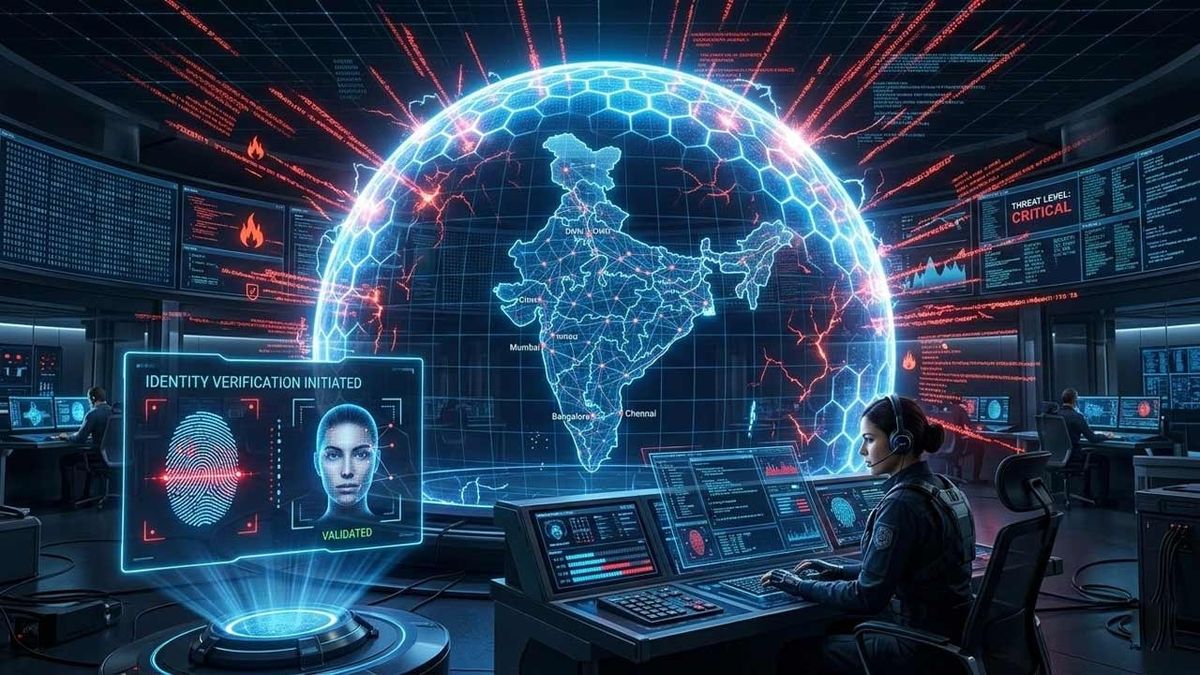
India’s cybersecurity spending is poised for substantial growth by 2026, driven by organizations seeking to bolster defenses against advanced cyber threats and comply with evolving regulatory mandates. According to a recent report from Gartner, end-user information security expenditures in India are projected to reach $3.4 billion in the coming years, reflecting a significant uptick in investments as companies confront increasingly sophisticated cyberattacks and stringent data regulations.
The report highlights a marked shift in how Indian businesses allocate resources toward cybersecurity, particularly as they grapple with AI-related threats, identity-related attacks, and growing regulatory demands. Experts anticipate that cybersecurity spending in India will continue to escalate as enterprises enhance their digital infrastructures and cybersecurity capabilities.
The surge in cybersecurity investments correlates with the rapid evolution of cyber threats, compelling companies to adopt advanced technologies aimed at mitigating modern risks. Current threats such as AI-driven attacks, credential theft, and deceptive deepfakes are broadening the landscape of cyber risks. Shailendra Upadhyay, a Gartner analyst, notes that organizations are transitioning from reactive security measures to more dynamic and proactive defense strategies. Identity-based threats have emerged as a critical issue, prompting a growing focus on Identity Threat Detection and Response (ITDR) as a priority for many businesses.
The introduction of the Digital Personal Data Protection Act in India further underscores the urgency for improved data protection and compliance practices within organizations. Security experts warn that identity-driven cyberattacks are proliferating, with attackers increasingly targeting user credentials and digital identities.
Moreover, the rise in cybersecurity software spending in India is fueling the adoption of advanced threat detection and infrastructure protection tools. Gartner forecasts that security software will remain the largest and fastest-growing segment of cybersecurity expenditures in India by 2026, with the market projected to reach $1.56 billion, representing an annual growth rate of 12.4 percent. Companies are increasingly investing in solutions such as Endpoint Protection Platforms (EPP), Security Information and Event Management (SIEM) systems, and cloud security technologies, which enhance their ability to detect and respond to cyber threats early.
As businesses expand their cybersecurity frameworks, the demand for managed security services is also expected to rise. Gartner predicts the security services market in India will grow steadily, reaching an estimated $144 billion by 2026, with an annual growth rate of 11.1 percent. Managed Detection and Response (MDR) services are particularly in demand, as more organizations opt to outsource cybersecurity monitoring and incident response rather than developing in-house capabilities. This trend enables businesses to access specialized expertise while optimizing costs.
The Gartner report identifies two key cybersecurity trends that Indian Chief Information Security Officers (CISOs) should monitor closely. First, many enterprises are prioritizing ITDR to effectively identify compromised accounts and thwart identity-driven cyberattacks. The modern approach to cybersecurity strategy emphasizes proactive risk management alongside identity-based security frameworks. With global regulatory changes intensifying, businesses face mounting pressure to enhance their cyber resilience and compliance to avoid potential penalties.
Second, the landscape of identity and access management (IAM) is becoming increasingly complex due to the rise of AI technologies. Organizations are compelled to strengthen their IAM practices to prevent unauthorized access in digital environments. Effective identity governance and automated credential management have become integral to thwarting malicious access.
Looking ahead, the outlook for India’s cybersecurity market remains robust as the digital transformation across industries accelerates. Gartner analysts assert that to protect critical systems, Indian enterprises must adopt risk-based approaches to cybersecurity alongside automation-driven security solutions. As the threat landscape evolves and regulatory frameworks tighten, cybersecurity expenditures in India are expected to continue their upward trajectory beyond 2026. Experts believe that the trends shaping India’s cybersecurity landscape will be influenced primarily by AI threats, regulatory pressures, and challenges associated with identity-based security.
See also AI Powers Evolving Cyberattacks, Exploiting Human Trust, Warns ESET’s Righard Zwienenberg
 Netskope Launches One AI Security Suite to Safeguard $867B AI Ecosystem
 Businesses Paying Ransoms Jumps to 24.3% in 2025 Driven by AI-Powered Cyberattacks
 CrowdStrike Surges with 120% ARR Growth, Outpacing Palo Alto’s Platform Strategy
 Microsoft Reports North Korean Threat Actors Use AI to Enhance Cyberattack Tactics















