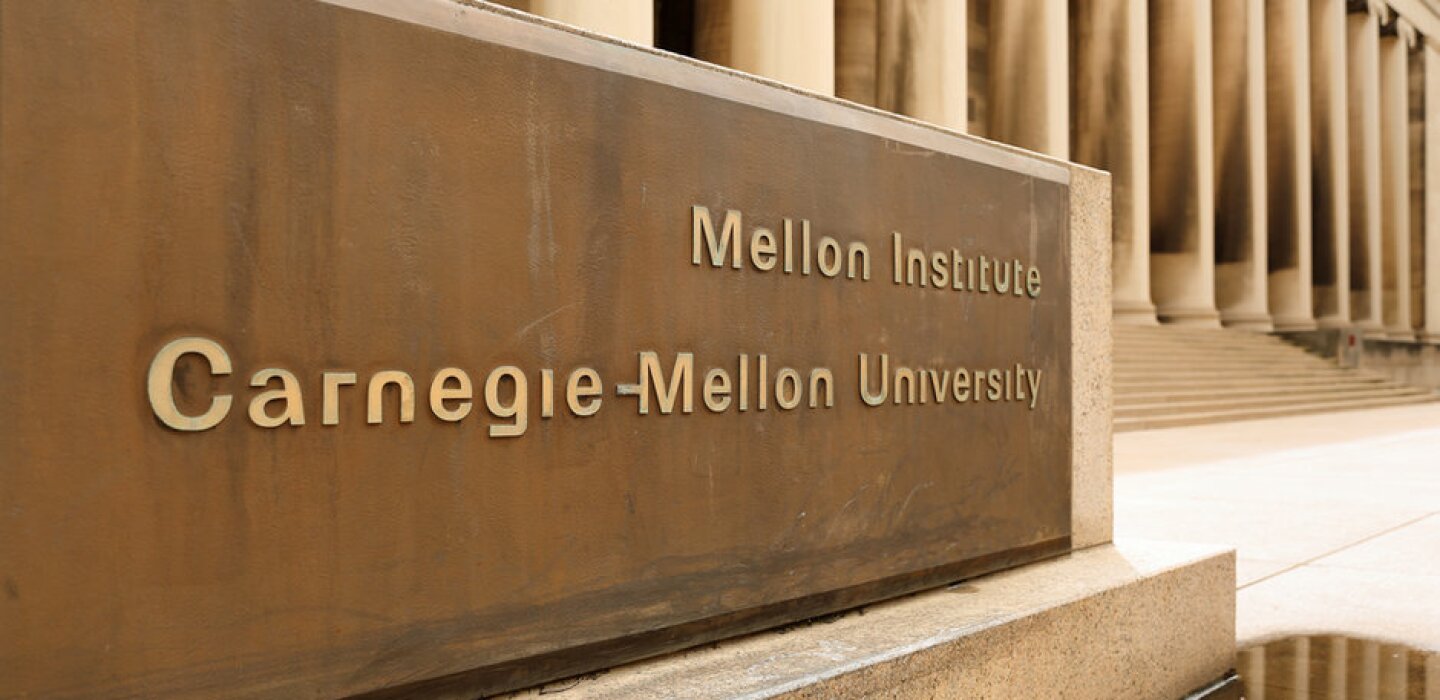
Carnegie Mellon University (CMU) has partnered with Japanese IT service provider Fujitsu to establish a dedicated research facility focused on physical artificial intelligence (AI) systems. The newly formed Fujitsu-Carnegie Mellon Physical AI Research Center will be integrated within the recently unveiled Robotics Innovation Center in Pittsburgh, which spans approximately 150,000 square feet. This collaboration aims to leverage the center’s specialized facilities to explore and test new physical AI systems, according to a recent news release.
Interest in physical AI, which incorporates artificial intelligence into tangible systems such as robots, has surged across various industries, as highlighted by a report from Georgetown University’s Center for Security and Emerging Technology (CSET). The driving forces behind this interest include a potential boost in productivity, a solution for labor shortages, and enhanced safety in sectors including manufacturing, logistics, construction, infrastructure, and healthcare. However, the CSET report notes that the full potential of physical AI is hampered by supply chain gaps and a lack of collaboration and standardization across the field.
The Fujitsu-CMU Physical AI Research Center is designed to facilitate cross-disciplinary collaboration, bringing together experts in robotics, language technologies, engineering, machine learning, and philosophy. CMU researchers will collaborate with Fujitsu scientists and technicians to develop physical AI systems aimed at addressing real-world challenges.
“At this research center, Fujitsu will create new value through the convergence of AI, computing, networking, and robotics, and accelerate the societal implementation of reliable physical AI,” stated Vivek Mahajan, a leader at Fujitsu, in a public statement.
This initiative builds on CMU’s existing strengths in AI research and its integration into academic programs. In September 2022, the Bank of New York Mellon invested $10 million to establish an AI Lab on the CMU campus. Earlier this year, CMU launched Learnvia, an AI learning resource designed to assist students in fundamental courses at 38 higher education institutions nationwide.
“The Fujitsu-Carnegie Mellon Physical AI Research Center builds on CMU’s focus on developing AI and robotics systems to tackle real-world problems and the university’s collaboration with industry to put those innovations into practice and inspire what’s next,” remarked Martial Hebert, a robotics professor and dean of the School of Computer Science at CMU. He added, “Physical AI will fuel the machines of tomorrow, allowing for competent decision-making, enhanced efficiency, greater safety, and, perhaps most importantly, trust to work alongside humans in critical fields.”
The establishment of this research center reflects a growing recognition of the transformative potential of physical AI technologies. With the convergence of expertise from both academia and industry, the initiative seeks to address pressing issues while fostering innovation that could shape the future landscape of various sectors. As industries increasingly adopt physical AI systems, the collaboration between CMU and Fujitsu may serve as a significant step toward realizing the full capabilities of this emergent field.
See also Online Courses Enable 200,000 Indians to Enter AI Fields, Breaking Barriers in Education
 Stanford Report Reveals 80% of Students Use AI for Schoolwork Amid Policy Gaps
 Teacher’s Buddy Secures $2.3M to Alleviate Global Teacher Burnout with AI Solutions
 UA Joins Mid-South AI Research Consortium to Enhance Regional AI Innovation and Workforce Development