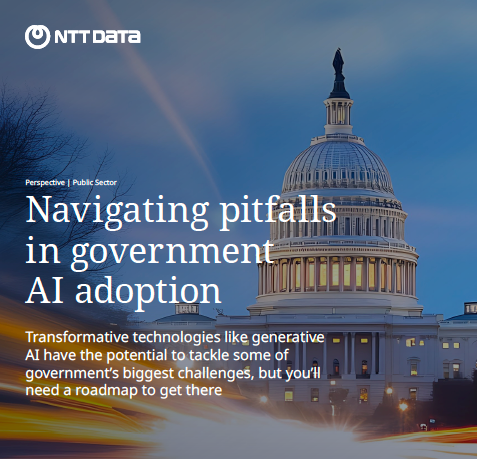
Artificial intelligence is increasingly becoming a pivotal element in the modernization of government agencies, yet many are finding the transition from experimental phases to effective implementation fraught with challenges. A recent guide outlines the obstacles that can impede AI initiatives, including misaligned strategies, governance gaps, poorly defined pilot projects, and difficulties in scaling successful efforts.
The report emphasizes that for public sector leaders, navigating these challenges is crucial in order to harness the full potential of AI technologies. It provides a structured framework aimed at helping agencies plan, test, and scale AI initiatives effectively. This approach not only helps manage risks but also focuses on driving measurable outcomes that can substantially benefit public services.
Key stages of successful AI adoption are explored within the report, highlighting the importance of thorough planning and alignment with organizational goals. Agencies are encouraged to establish clear governance structures to oversee AI projects, which can help mitigate the common pitfalls identified during the adoption process. By promoting collaboration among various stakeholders, agencies can better ensure that AI implementations are in line with broader governmental strategies.
One of the most significant barriers to AI adoption mentioned is the challenge of scaling pilot programs. Many agencies start with small-scale projects that show promise but struggle to expand these initiatives into fully operational systems. This often occurs due to a lack of resources, inadequate training, or insufficient integration with existing workflows. The importance of building a robust infrastructure that supports AI technologies and facilitates their growth cannot be overstated.
The report further advocates for the necessity of collecting and analyzing data throughout the AI implementation process. This data-driven approach not only provides insights into the effectiveness of AI systems but also informs future decisions regarding technology investments. Public agencies are urged to adopt metrics that reflect both the efficiency and impact of their AI initiatives in order to demonstrate their value to stakeholders.
As governments worldwide increasingly recognize the transformative potential of AI, the ability to navigate these challenges will be critical. Success in AI adoption could lead to enhanced public service delivery, greater citizen engagement, and more efficient use of resources. In a landscape where technology is evolving rapidly, agencies that effectively implement AI could find themselves better equipped to serve their communities and address pressing issues.
For leaders in the public sector, the guide serves as a timely resource in the quest for successful AI adoption. The ability to translate technological potential into tangible outcomes could very well define the future of governance, marking a significant shift in how services are rendered to the public. The stakes are high, and the path forward requires careful planning, strategic alignment, and a commitment to continuous improvement in AI practices.
See also Cogility Showcases Cogynt.ai at Insider Risk Summit 2026 with Advanced AI Solutions
 Budd and Kim Introduce Bipartisan AI Ready Data Act to Enhance Federal Data Access
 U.S. Defends Anthropic Blacklisting Amid Legal Challenge Over AI Use Restrictions
 UK Government Proposes AI Content Labels to Combat Deepfakes by March 2026