
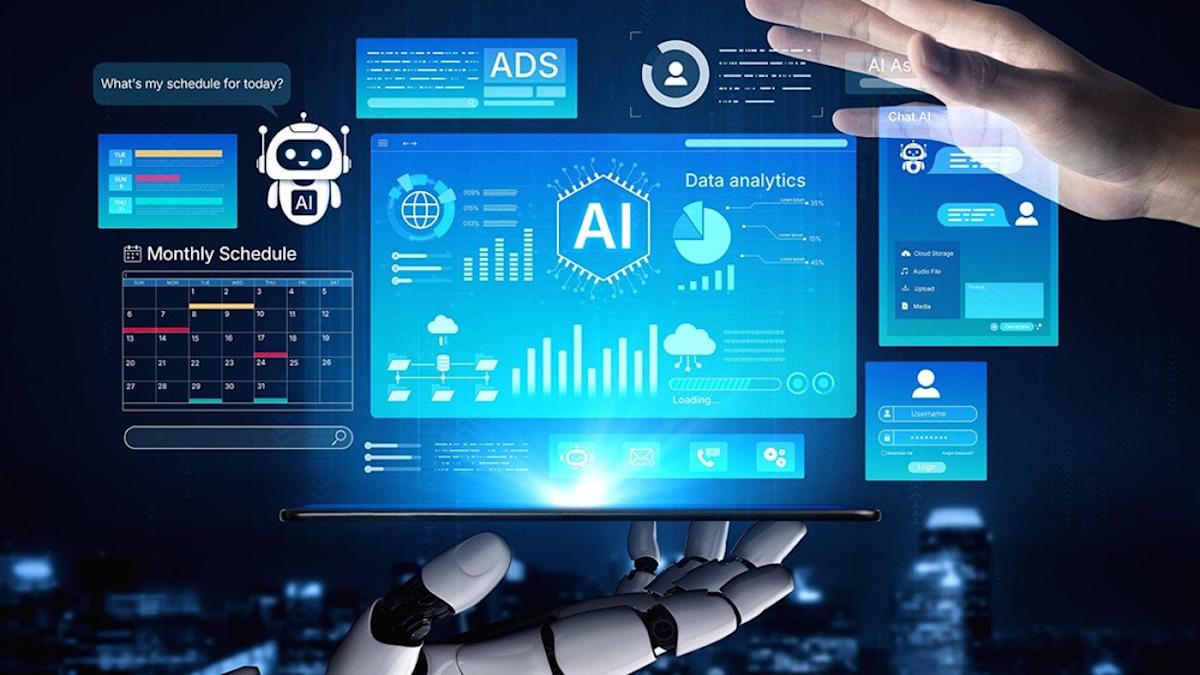
Artificial intelligence (AI) is revolutionizing the advertising landscape, offering unprecedented opportunities for businesses to maximize their return on investment (ROI). With AI-driven tools enhancing audience targeting, bid strategies, and campaign management, companies can more effectively reach high-value consumers while minimizing wasted ad spend. As machine learning continues to evolve, organizations are increasingly turning to AI to streamline their advertising efforts and improve campaign performance.
AI’s capacity for real-time optimization allows marketers to configure bids, ad serving, and audience targeting on the fly. It deepens understanding of core audience segments, facilitating the creation of more resonant messaging. Moreover, AI supports the testing of diverse ad variations, enabling personalized experiences that adapt in real time based on performance data. This dynamic approach not only broadens campaign reach but also conserves resources, allowing marketers to focus on strategic and creative decisions.
In recent years, major advertising platforms such as Google Ads and Microsoft Ads have integrated AI features directly into their interfaces. This trend has made it easier for advertisers to leverage advanced technologies without extensive technical expertise. Tools like smart bidding have gained traction, with strategies using machine learning to adjust bids in real time according to specific campaign goals. For instance, strategies like “Maximize conversions” and “Target CPA” aim to achieve optimal performance while adhering to budget constraints.
AI-powered campaign types have also emerged, such as Performance Max and Demand-Gen campaigns, which utilize machine learning to expand advertising avenues beyond traditional search channels. These innovative approaches are particularly beneficial in competitive markets where the cost per click can be high. By enhancing the efficiency of ad spend, these tools enable businesses to reach more users throughout the marketing funnel. Google has noted that Performance Max campaigns can enhance the efficacy of standard search campaigns by employing AI-driven insights.
Another significant advantage of AI in advertising is its ability to increase personalization and audience resonance. By serving personalized ads at scale and automatically delivering the most relevant content to users, AI helps marketers engage their audiences more effectively. Utilizing dynamic ad types, such as responsive search ads that allow for multiple headlines and descriptions, enhances this personalization. Furthermore, AI chatbots can aid in understanding audience pain points, particularly in business-to-business contexts where industry jargon is key to effective communication.
Automated ad optimization is yet another benefit of AI integration. Dynamic ads that feature various options for headlines, descriptions, and images enable AI algorithms to identify top-performing elements and serve them more frequently. This advancement minimizes the time marketers must devote to manual testing and campaign management. Additionally, AI-driven predictive audience capabilities allow advertisers to reach users similar to their best customers, maximizing the impact of their campaigns.
Challenges and Considerations
Despite the myriad benefits AI offers, advertisers must remain vigilant regarding ethical data use and content quality. Careful attention to compliance with privacy regulations is essential when using first-party data. Moreover, the accuracy and relevance of AI-generated content require continuous oversight to avoid potential copyright infringements and maintain brand integrity.
Marketers are encouraged to implement robust conversion tracking mechanisms, ensuring that AI systems have access to accurate data for optimization. Effective deployment of guardrails is crucial for AI-driven campaigns like Performance Max, where the lack of direction could lead to unchecked spending. By syncing first-party data and maintaining a “single source of truth” for marketing channels, organizations can fully capitalize on AI’s capabilities.
The journey toward maximizing advertising ROI through AI is ongoing. As technology continues to evolve, marketers are urged to experiment with new channels and tactics, leveraging the time savings offered by AI to explore innovative advertising strategies. With the right combination of human creativity and AI-powered efficiency, businesses can navigate the complexities of digital marketing and thrive in a rapidly changing landscape.
See also 8 AI Content Creation Platforms Tested: 95% User Satisfaction & Real Results
 AI Expert Russ Easther Reveals Key SEO Strategies for Brokers in AI-Powered Search Era
 AI Marketing Tools Surge in 2026: 88% of Marketers Now Leverage AI for Content Creation
 SXSW 2026 Panel Reveals Human Creativity as Key Differentiator in AI Marketing
 AgentMail Secures $6M Seed Funding to Develop Email Infrastructure for AI Agents