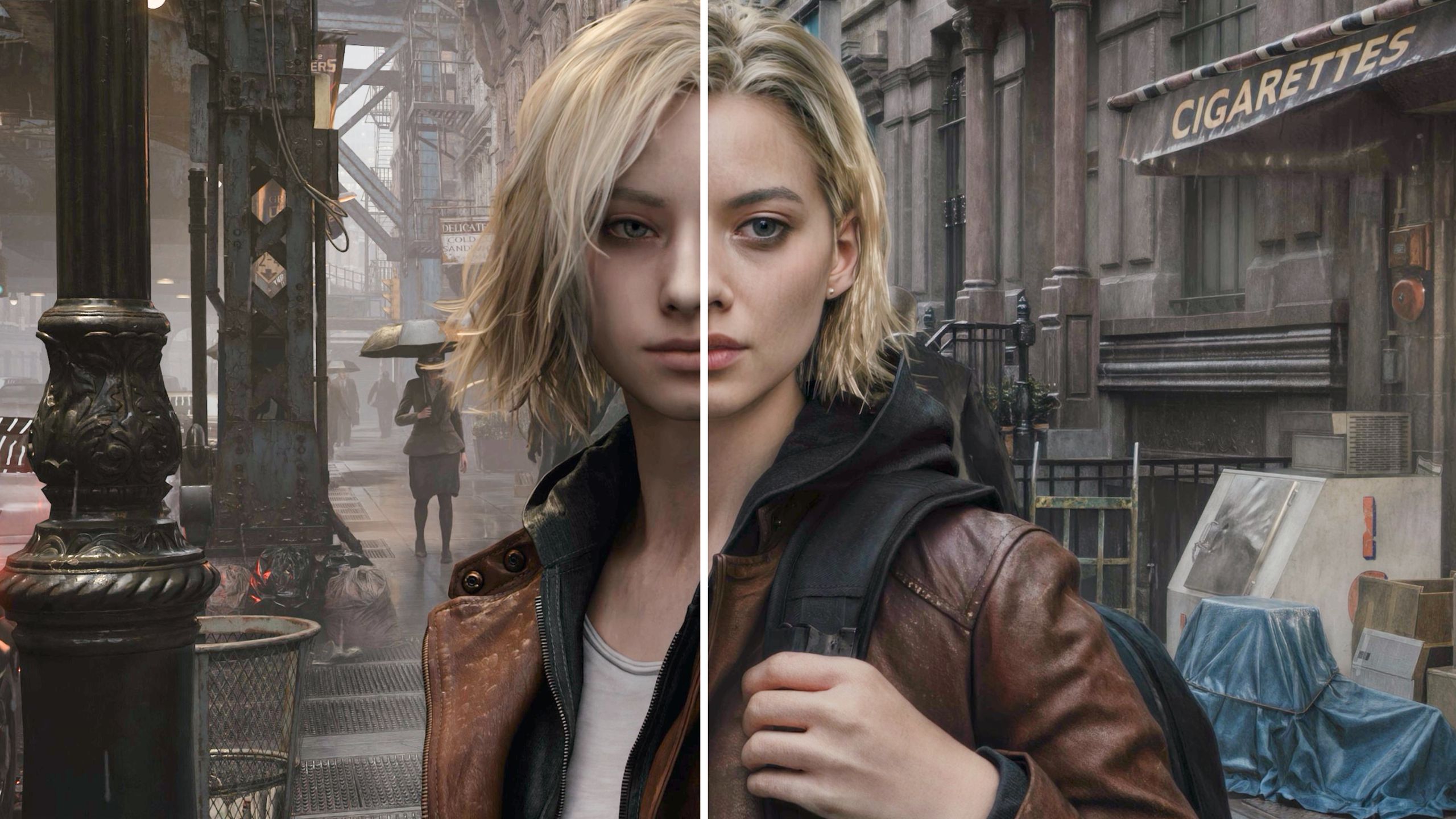
Nvidia’s GTC 2026 showcased a significant advancement in PC gaming technology with the introduction of DLSS 5, described by CEO Jensen Huang as the “fusion of 3D graphics and artificial intelligence.” The announcement has elicited mixed reactions, with critics ranging from those praising it as one of the most impressive technologies in years to others likening it to simple AI enhancements akin to smartphone filters.
The mixed sentiments reflect a broader uncertainty about the implications of DLSS 5, especially as developers are expected to find the optimal ways to integrate this technology into their games by fall. DLSS 5 promises a groundbreaking shift by combining predictive rendering techniques with generative AI, aiming to enhance visual realism while allowing creative flexibility for artists.
DLSS 5 introduces a more sophisticated model, which Huang characterized as a “GPT moment for graphics.” It merges traditional hand-crafted rendering with AI-driven enhancements, delivering photorealism through improved lighting, material depth, and real-time neural rendering. Developers will have the ability to adjust various parameters such as intensity and color, enabling them to customize their games’ aesthetics.
This evolution in technology follows previous iterations, where DLSS acted like a “magic magnifying glass,” enlarging images without compromising quality. With DLSS 5, the metaphorical chef not only stretches the pizza but also enhances its ingredients, offering a more visually appealing experience than before. This transition marks a significant departure from merely improving how games are displayed to presenting an elevated version of the game itself.
However, the blend of generative AI with traditional graphics raises questions about authenticity. Huang himself hinted at a burgeoning relationship between rendering and AI during an earlier CES 2026 session, expressing optimism about achieving stunning results that could approach photographic realism. Yet, initial demonstrations reveal a mixed bag of outcomes, where some examples showcase remarkable advancements while others could invoke discomfort due to hyper-realistic elements that trigger an uncanny feeling in viewers.
Particular attention has been drawn to character models, especially a notable example from “Resident Evil: Requiem,” where alterations to facial features prompted discussions about viewer perception of AI-generated imagery. The interplay of lighting and neural rendering contributes significantly to the visual experience, where a large portion of perceived enhancements stems from improved lighting rather than purely AI-driven adjustments.
In games such as EA Sports FC and Starfield, the benefits of DLSS 5 are apparent, underscoring its potential to enhance visual fidelity. However, the technology must be wielded judiciously by developers to maintain the artistic integrity of their titles. The balance between realism and creative interpretation remains critical, as some developers may choose to dial back certain features to achieve their desired aesthetic.
The implementation of DLSS 5 hinges heavily on developer discretion, raising several questions about its flexibility across different gaming styles. While photorealism may suit some titles, others, particularly those with stylized or artistic graphics, might require distinct approaches to effectively leverage the new technology. Upcoming months will be pivotal as developers explore the full capabilities of DLSS 5, shaping its role in the evolving landscape of PC gaming.
Nvidia’s positioning of DLSS 5 against competitors like AMD’s FSR and Intel’s XeSS highlights its commitment to maintaining a technological edge. The mixed critical reception indicates that while the advancements are significant, the ultimate effectiveness of DLSS 5 will depend largely on how well developers adapt and utilize its features. As the gaming community anticipates the fall release, the potential for DLSS 5 to redefine visual experiences hangs in the balance, poised to either astonish or challenge conventional perspectives on digital art in gaming.
See also New arXiv Paper Unveils God of Prompt, Boosting AI Accuracy by 25% for Businesses
 Virginia Tech’s Shehryar Khan Uses Machine Learning to Revolutionize Patent Novelty Evaluation
 AI-Driven Cancer Treatment by PreComb Tests 120+ Drugs to Personalize Care and Save Lives
 Autoscience Secures $14M Funding to Launch World’s First Automated AI Research Lab
 OFC 2026 Attracts 18,000 Attendees, Showcases AI Infrastructure Advancements