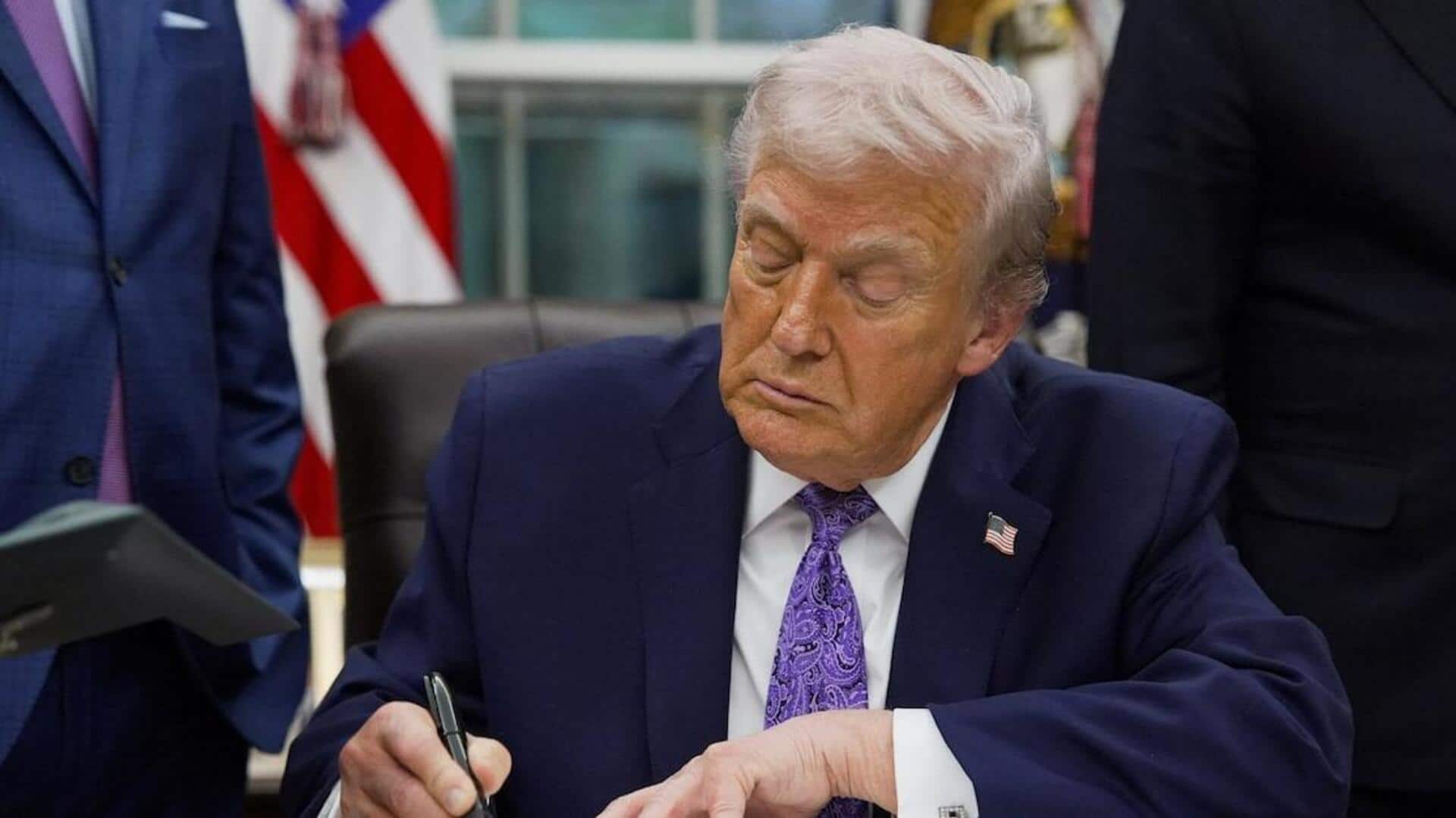
The Trump administration has introduced a new legislative framework for regulating artificial intelligence (AI), presenting a seven-point plan that predominantly advocates for minimal federal oversight. Unveiled recently, the proposal underscores the need for Congress to limit regulation primarily to issues concerning child safety while discouraging states from enacting their own AI laws that could conflict with federal initiatives aimed at maintaining U.S. leadership in the global AI landscape.
At the heart of the administration’s plan is a call for enhanced safeguards for minors utilizing AI services. The proposal suggests Congress should consider implementing measures to ensure the protection of young users, including restrictions on AI models’ use of minors’ data and limits on targeted advertising directed at children.
Additionally, the framework addresses concerns regarding the potential for increased electricity costs stemming from AI infrastructure development. It encourages “youth development and skills training” to improve familiarity with AI technologies, though specifics on these initiatives remain sparse. The administration takes a cautious approach, leaving open the legal status of training AI models on copyrighted material without permission, while reinforcing its stance against state-level regulation of AI.
The document also advocates for laws akin to the Take It Down Act, which prohibits nonconsensual AI-generated intimate visual depictions. It recommends that Congress establish privacy-protective age assurance requirements for AI platforms likely to be frequented by minors. The blueprint extends further into the realm of digital ethics, proposing the creation of a federal framework to protect individuals from the unauthorized distribution of deepfakes, while allowing for exceptions related to parody and news reporting, thereby acknowledging First Amendment rights.
Another critical aspect of the proposal focuses on AI-enabled scams and fraud. The administration highlights the need for bolstered law enforcement capabilities to combat impersonation scams that increasingly target vulnerable populations, particularly seniors. It emphasizes the importance of a unified federal approach, arguing that Congress should preempt conflicting state AI laws to avoid creating a patchwork of regulations that could hinder innovation.
The overarching goal of this regulatory blueprint is to accelerate AI development within the United States. The administration asserts that the country must take the lead in AI innovation by eliminating barriers and enhancing the deployment of AI applications across various sectors. The proposal encourages Congress to explore ways to make federal datasets accessible to companies and academics in formats conducive to training AI models, thus fostering an environment conducive to technological advancement.
As the debate over AI regulation continues, the Trump administration’s proposal reflects a significant push to prioritize innovation while addressing the concerns associated with the rapid integration of AI into everyday life. It remains to be seen how Congress will respond to these recommendations and the extent to which they will shape the future regulatory landscape for AI in the United States.
See also Japan Shifts to Governance-by-Design in AI, Boosting Compliance and Cybersecurity Spending
 Trump Administration Targets State AI Regulations with New Federal Guidance
 White House Proposes Centralized AI Framework, Limiting State Regulations on Innovation
 White House Proposes AI Policy Focused on Children’s Safety and State Law Preemption
 Delve Faces Accusations of Fraudulent Compliance Claims, Risks for Hundreds of Clients