
The advent of artificial intelligence (AI) in education is often viewed with skepticism, primarily due to concerns over issues such as plagiarism. However, AI presents a multitude of opportunities to enhance educational experiences positively. Its capabilities range from personalizing learning to streamlining administrative tasks, thereby offering a significant potential to transform educational systems.
One of the primary benefits of AI in education is its ability to provide tailored learning experiences for individual students. In typical classroom settings, teachers often manage more than 20 students, making it challenging to address each student’s unique needs effectively. AI can bridge this gap by offering focused assistance, allowing students to explore difficult concepts at their own pace. For example, platforms like Quizlet have introduced AI tools that not only provide homework solutions with detailed explanations but also convert notes into simplified summaries and quiz materials.
Additionally, AI-powered chatbots are revolutionizing the way students engage with their learning material. These chatbots can respond to student inquiries in an average of just 2.7 seconds, a stark contrast to the delays often encountered when waiting for a teacher’s email response. While AI cannot replace teachers, it serves as a valuable support system, enabling personalized feedback that can enhance students’ study habits and exam preparation.
The administrative burden on teachers is another area where AI can make a substantial impact. A recent report indicated that educators spend nearly half of their working hours on tasks such as lesson planning and grading, rather than direct teaching. By automating routine tasks—like grading mathematics exams—AI can potentially free up 4 to 5 hours weekly for teachers, allowing them to focus on deeper, more meaningful instruction.
In the UK, governmental investment has already begun to materialize in this realm, with a £2 million allocation for AI tools aimed at enhancing the Oak National Academy. This online learning platform is designed to assist educators by providing free resources, including lesson plans and quizzes, all developed with AI. Such initiatives exemplify how further advancements could significantly alleviate administrative workloads, allowing teachers to delve deeper into subject matter and enhance student learning outcomes.
The role of AI in education is still in its infancy, and more developments are necessary to ensure its efficacy and reliability. However, the current trajectory suggests that AI could meaningfully impact the education system by providing personalized learning experiences and streamlining administrative tasks. As educational institutions continue to explore AI applications, there’s a strong possibility of a transformation that enables teachers to focus more on instruction while providing students with tailored support designed to meet their individual needs.
See also Organizational Culture, Not Technology, Hinders AI Adoption in Education, Says Tanzania Times
 White House Unveils AI Policy Linking Workforce Skills to National Training Programs
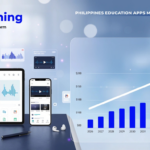 Philippines EdTech Market Reaches $124M in 2025, Projected to Grow 21.44% CAGR by 2034
 Mediazoo Launches Finer Vision AI Skills Division to Address 96% UK AI Skills Gap