






















































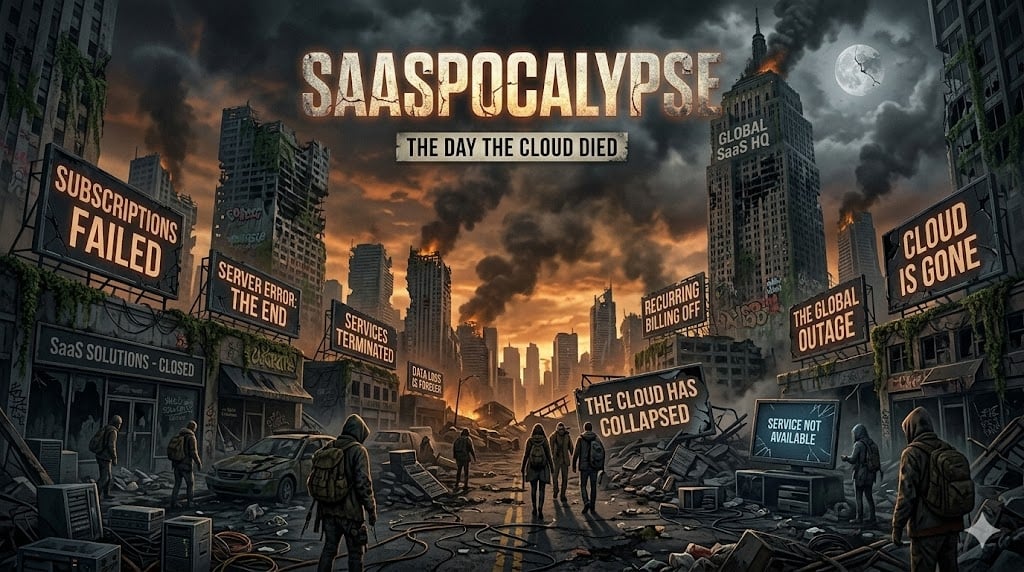
The software sector is experiencing a significant correction, particularly within the software-as-a-service (SaaS) industry, as artificial intelligence (AI) presents a formidable challenge to its business model. Major players such as Salesforce, Inc. and Adobe, Inc. are reporting their poorest quarterly performance since the peak of the 2008 financial crisis, igniting fears of a potential “SaaSpocalypse” and raising concerns that a collapse reminiscent of 2008 could be on the horizon.
Investor sentiment is increasingly clouded by the disruptive potential of AI on SaaS business models. The worry stems from the prospect that AI-driven solutions might automate numerous functions traditionally performed by these platforms, thereby diminishing their value proposition and jeopardizing existing revenue streams. This unease is intensified by the rapid evolution and adoption of generative AI tools, capable of producing code, drafting marketing copy, and generating visual content independently of software subscriptions.
Technically, both Salesforce and Adobe stocks have breached critical moving average support levels, indicating a shift in momentum. Salesforce shares have plummeted 26%, while Adobe’s stock has fallen by 29.7%, marking their worst quarterly performances since 2008. A decisive break below the 20-day moving average for Salesforce may provoke further selling pressure; similarly, Adobe is testing long-term support, and a downturn could result in deeper corrections.
The broader SaaS index, represented by exchange-traded funds such as the WisdomTree Cloud Computing Fund, is also under considerable pressure, mirroring widespread investor apprehension. The negative sentiment is echoed in the performance of notable SaaS companies like Snowflake, Inc., which has declined by 21% this quarter.
While the likelihood of a repeat of the systemic financial crisis of 2008 appears low, the specific hurdles confronting the SaaS sector are noteworthy. The convergence of fears regarding AI-driven disruption, deteriorating technical setups, and shifts in fundamental valuation metrics has created a challenging landscape for Salesforce, Adobe, and the SaaS industry at large. The pressing question for investors navigating this evolving technological terrain is whether this represents a significant market shift or merely a necessary valuation correction.
As the situation unfolds, industry stakeholders will be watching closely to gauge how these changes might reshape the SaaS landscape, particularly in light of the accelerating pace of technological advancement. In the coming months, the performance of these software giants will serve as a barometer for the health of the sector, as well as a reflection of broader market dynamics influenced by the increasing integration of AI technologies.
See also ServiceNow Aims for $1B in AI Revenue Growth Amid SaaS Sell-Off
 IBM Cloud Enhances AI Services with 40% Faster Inference and New GDPR-Compliant Tools
 Enterprise AI Faces Coordination Challenge as AI Agents Multiply Across Platforms
 AI Governance in 2026: 50% of Companies Lack Compliance Inventory Amid Strict Regulations















