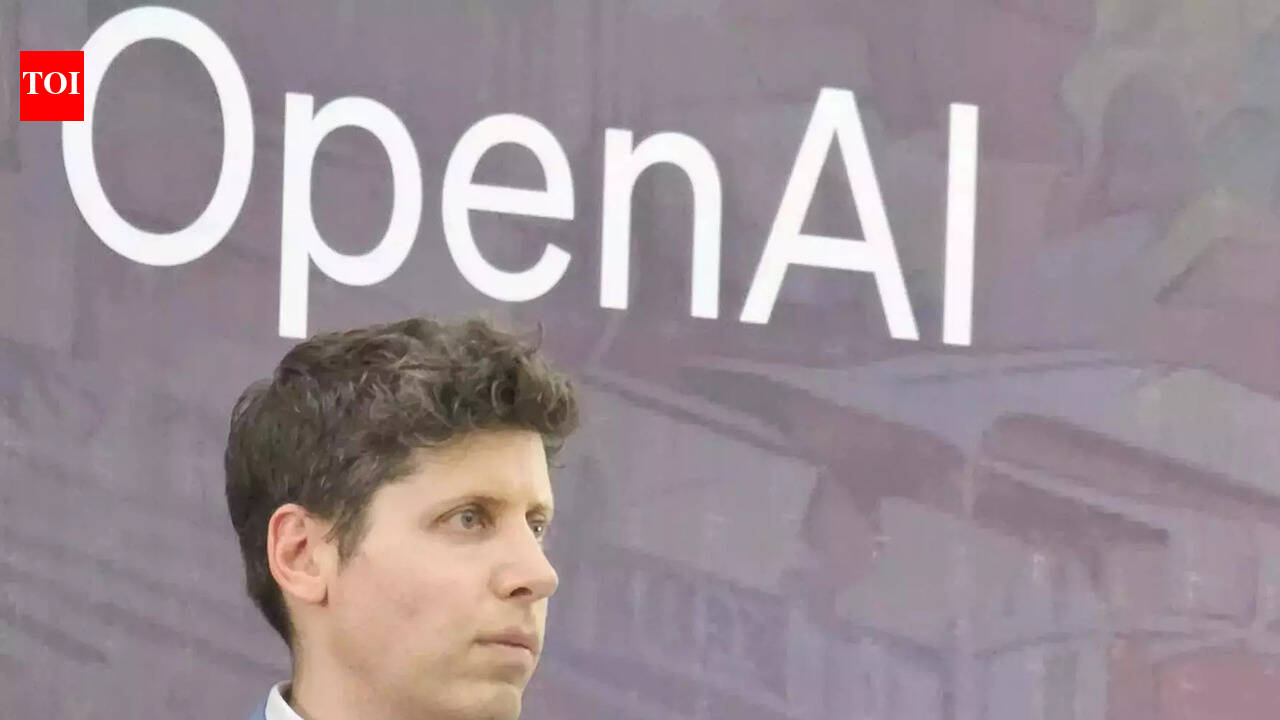
OpenAI has cautioned potential investors about the risks associated with its significant dependence on Microsoft, as outlined in a financial document reviewed by CNBC. This disclosure, emerging alongside an impending initial public offering (IPO) prospectus, indicates that Microsoft provides a “substantial portion of our financing and compute,” suggesting that OpenAI’s financial prospects are intricately linked to its long-time partner. This warning follows OpenAI’s recent $110 billion funding round, which was supported by major investors including Amazon, Nvidia, and Softbank. The company is also in discussions to secure an additional $10 billion in commitments from a broader array of investors, anticipated to finalize by the end of this month. Following rapid growth since the launch of ChatGPT in late 2022, OpenAI is now valued at an astounding $730 billion.
Since 2019, Microsoft has invested approximately $13 billion in OpenAI, acquiring a 27% stake in the non-profit arm valued at $135 billion as of October last year. Their partnership includes exclusive commitments to Microsoft’s Azure cloud services. However, OpenAI has expressed concerns that any modifications or termination of this relationship by Microsoft, or a failure to diversify its partnerships, could significantly hamper its business operations. This cautionary stance underscores a precarious balance between collaboration and potential competition, as Microsoft recently categorized OpenAI alongside Amazon, Apple, Google, and Meta in its 2024 annual report.
Despite its deep ties with Microsoft, OpenAI has sought to diversify its partnerships, collaborating with other cloud service providers such as CoreWeave, Google, and Oracle to address the surging demand for its AI technologies. In addition to its relationship with Microsoft, OpenAI has flagged several other risks in its financial disclosures. These include the capital intensity of its operations, with commitments totaling $665 billion for compute resources through 2030, alongside rising spending expectations. The company also highlighted geopolitical risks, particularly its dependence on chip suppliers like TSMC, which could be affected by tensions between China and Taiwan.
Legal challenges represent another considerable risk for OpenAI. The company is currently embroiled in multiple lawsuits, including three from co-founder Elon Musk‘s xAI and at least 14 cases in California that allege harm linked to the use of ChatGPT. Furthermore, OpenAI’s unique organizational structure, functioning as a public benefit corporation under the OpenAI Foundation, raises additional complexities in navigating its regulatory landscape.
With 900 million weekly active users and projected revenues of $13.1 billion by 2025, OpenAI is preparing for a potential IPO later this year. While the company maintains that the disclosure regarding its reliance on Microsoft is merely a “standard legal risk factor,” this acknowledgment highlights the delicate interplay between partnership and competition as OpenAI continues to solidify its central role in the booming AI industry. As the company gears up for public trading, the focus will intensify on how it manages its significant affiliations and the external pressures that accompany its rapid ascent in the tech landscape.
See also Hugging Face Reveals Reachy Mini: Open-Source AI Robot for PCs and Raspberry Pi CM4
 Mistral CEO Proposes AI Cultural Levy to Fund European Creative Sectors
 Microsoft’s $13B Stake in OpenAI Now Poses Significant Risk Amid IPO Talks
 Wedbush Predicts 2026 as AI’s Inflection Year; CrowdStrike Emerges as Key Investment
 Midjourney 8 Launches with 5x Speed Boost but Faces Artistic Flexibility Critiques