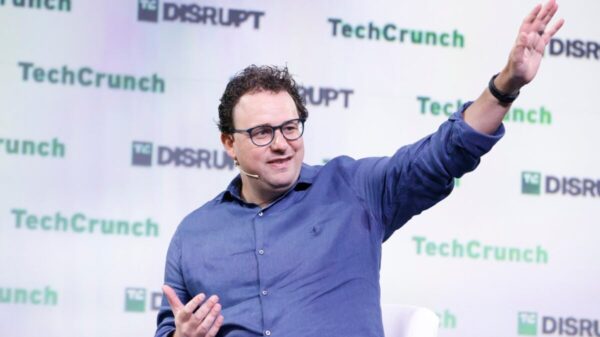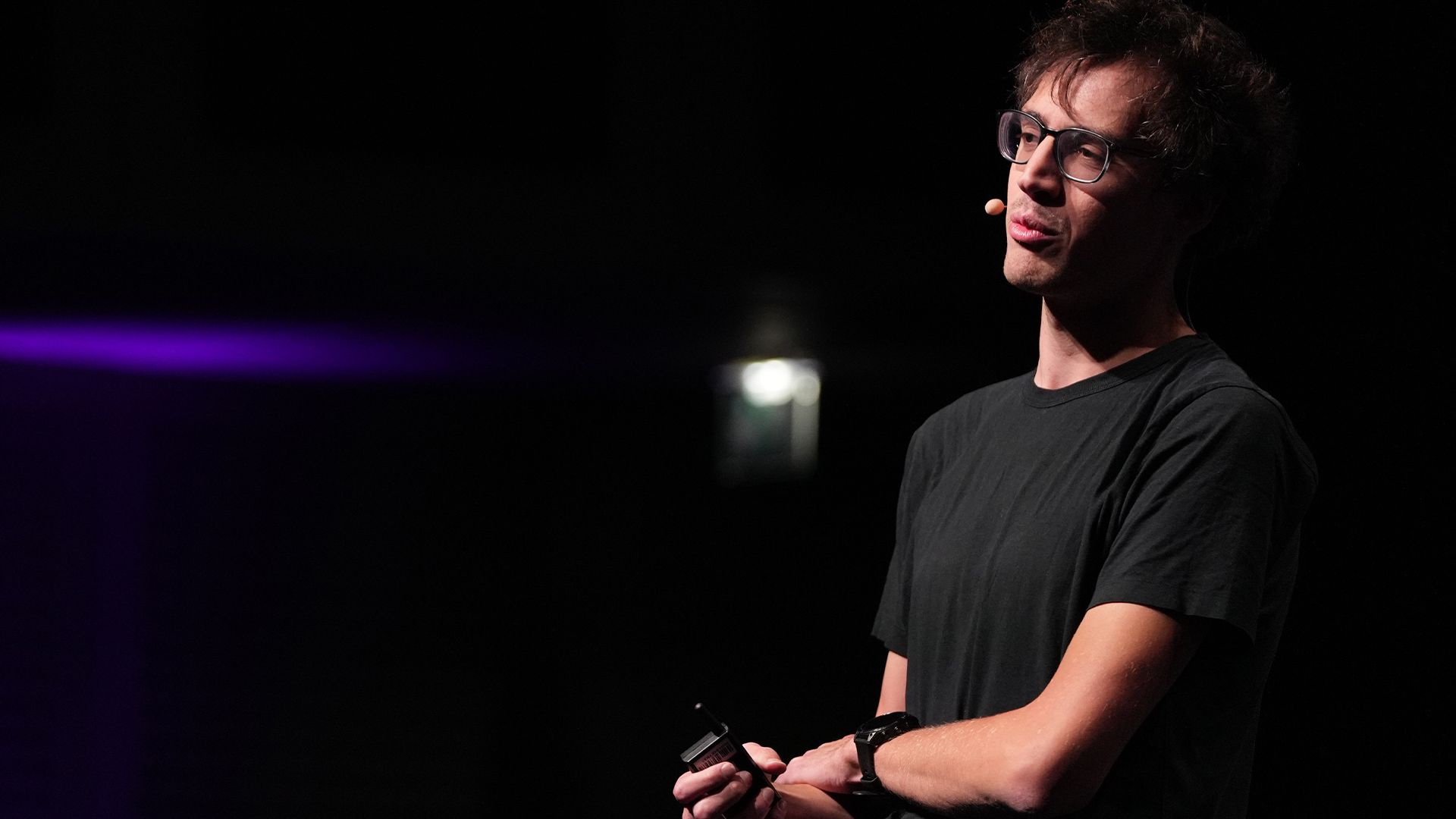
Major AI firms should contribute to a content levy in Europe, a proposal put forth by Arthur Mensch, CEO and co-founder of French AI developer Mistral. Writing in the Financial Times, Mensch argued that numerous Chinese companies are circumventing copyright regulations by training their AIs on an extensive range of content, including material sourced from Europe.
Mensch contended that European AI developers face challenges due to a fragmented legal framework, which hampers their competitiveness. He criticized the existing opt-out system designed to allow rights holders to protect their content, stating that it has proven unworkable in practice. “Copyrighted works continue to spread uncontrollably online, while the legal mechanisms designed to protect them remain patchy, inconsistently applied and overly complex,” he noted.
The levy Mensch proposes would be revenue-based and apply to all commercial providers marketing or operating AI models in Europe, regardless of their geographical origin. The funds generated would be allocated to a central European fund aimed at investing in new content creation and bolstering the cultural sectors across the continent.
According to Mensch, this initiative would also benefit AI developers by providing legal certainty, thereby shielding them from potential liabilities associated with training on publicly accessible materials. He emphasized that the plan would not replace existing licensing agreements or the autonomy to contract. “On the contrary, licensing opportunities should continue to develop and expand for usage beyond training,” he asserted. “The fund would complement, not crowd out, direct relationships between creators and AI companies.”
While Mensch’s plan directs resources into the arts, it does not guarantee remuneration for individual creators, a vital concern for many in the creative industry. The European Union appears to be moving toward addressing this issue. Earlier this month, the European Parliament approved a series of recommendations to enhance protection for copyrighted creative work, asserting that EU copyright law should encompass all generative AI systems operating within the EU, irrespective of their training locations.
Moreover, the Parliament emphasized that any use of copyrighted material by generative AI must be fairly compensated, advocating for mechanisms to secure remuneration for past uses. A global license granting providers the right to train their systems in exchange for a flat-rate payment was deemed insufficient.
The proposed new licensing market for copyrighted material would involve voluntary collective agreements tailored to individual sectors, bringing individual creators and small and medium-sized enterprises into the fold. Rights holders would retain the ability to exclude their work from AI training processes.
“We need clear rules for the use of copyright-protected content for AI training,” stated rapporteur Axel Voss following the vote. “Legal certainty would let AI developers know which content can be used and how licenses can be obtained.” He further emphasized that rights holders deserve protection against unauthorized usage of their content and should receive appropriate remuneration. “If we want to promote and develop AI in Europe while also protecting our creators, then these provisions are absolutely indispensable,” Voss added.
As the dialogue surrounding AI and copyright evolves, the proposed content levy and new licensing frameworks could reshape how AI firms operate in Europe, potentially fostering a more equitable environment for creators while enabling the growth of AI technologies.
See also Microsoft’s $13B Stake in OpenAI Now Poses Significant Risk Amid IPO Talks
 Wedbush Predicts 2026 as AI’s Inflection Year; CrowdStrike Emerges as Key Investment
 Midjourney 8 Launches with 5x Speed Boost but Faces Artistic Flexibility Critiques
 Anthropic Seeks Court Order to Halt Pentagon’s Supply Chain Risk Designation
 AWS Bahrain Disruption Raises Concerns Over Amazon’s $200B AI Spending Plan