






















































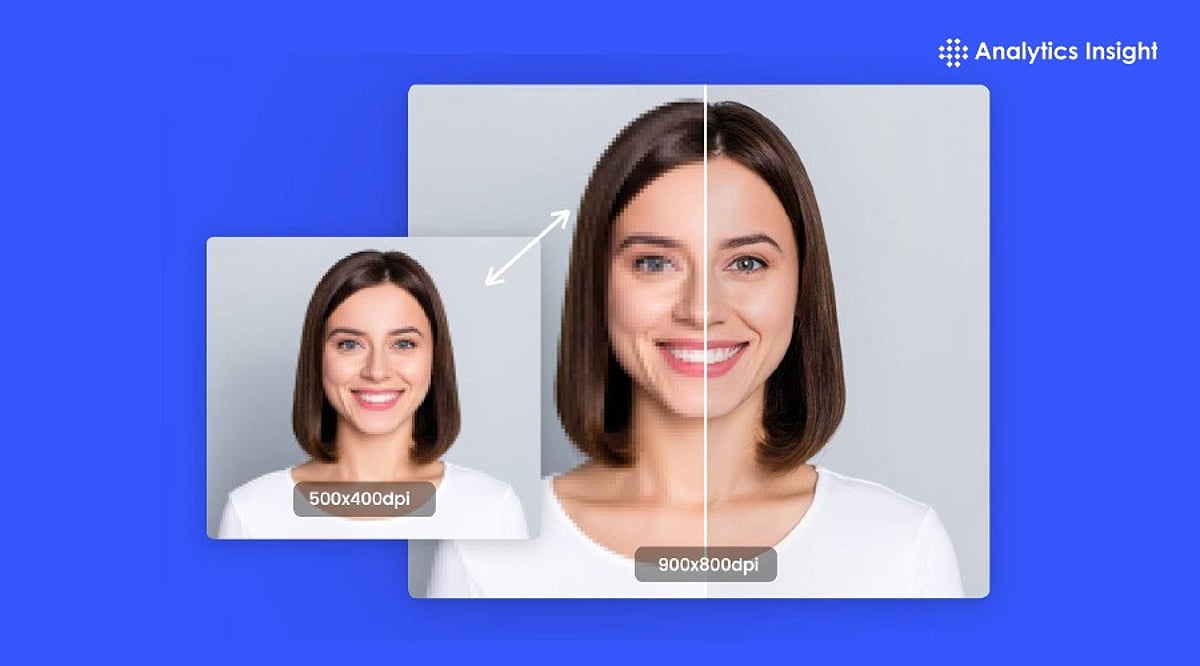
Artificial intelligence (AI) is revolutionizing the way we perceive and enhance digital images, particularly through a process known as AI upscaling. This technology is not simply a matter of enlarging an image; rather, it employs sophisticated algorithms to analyze patterns within the image and intelligently fill in missing details. As a result, images can appear clearer and more natural when upscaled to a higher resolution, such as 4K.
The potential for AI to turn low-quality images into high-definition formats has garnered significant attention. While the technology is capable of making substantial improvements in clarity, the effectiveness is contingent on both the specific AI tool being used and the quality of the original image. Good AI upscalers can dramatically enhance images, but those that start as extremely low-quality may still face limitations in achieving optimal results.
Many AI image upscalers are accessible to users at no cost, though these free versions often come with restrictions. Advanced features, such as high-resolution exports and batch processing capabilities, typically require paid subscriptions. This tiered access allows users to choose options that best fit their needs, whether they are casual users or professionals requiring high-end functionalities.
In addition to improving contemporary images, AI upscalers are also making strides in photo restoration. Many tools are specifically designed to enhance old photographs, correcting issues such as blur and improving sharpness. They can even recover facial details that may have faded over time. This capability is particularly valuable for those looking to preserve family history or revitalize cherished memories.
Concerns about image quality often arise when discussing upscaling technologies. However, reputable AI tools are designed to maintain or even enhance image quality during the upscaling process. In contrast, subpar tools may produce unwanted artifacts, underscoring the importance of selecting a reliable enhancer. The right choice can significantly influence the outcome of the final image.
The rise of AI-driven enhancement technologies reflects a larger trend in the digital media landscape, where the demand for high-quality visuals continues to grow. From social media platforms to streaming services, consumers increasingly expect clear and vibrant images. As AI upscaling becomes more prevalent, it not only pushes the boundaries of what is possible in image quality but also democratizes access to advanced editing tools.
This evolution in imaging technology highlights the intersection of creativity and technology, allowing users to engage with digital content in new ways. As AI continues to advance, the capabilities of these tools are likely to expand further, offering even more sophisticated solutions for image enhancement and restoration. The implications are vast, as industries reliant on visual content—like filmmaking, photography, and advertising—stand to benefit greatly from these innovations.
See also HubSpot Faces 58% Shareholder Loss Amid AI Updates and Market Reassessment
 1min.AI Launches $85 Lifetime Subscription, Unifying Writing, Visuals, and Audio Tools
 Miles Clements Reveals How AI Coding Tools Drive 10x Productivity Gains and Market Growth
 Arm Launches AGI CPU to Power Next-Gen AI Infrastructure with 8160 Cores per Rack
 Saab Partners with Cohere to Enhance GlobalEye Aircraft with AI Technologies















