Nvidia’s CEO Jensen Huang has projected that the company’s AI processors could generate an astonishing $1 trillion in sales by 2027, a forecast that creates significant market opportunities for Micron Technology. Micron, one of only three major memory producers globally, stands to benefit from this surge, particularly as memory demand continues to soar. With RAM prices anticipated to rise by 50% by the first quarter of 2026, Micron is poised for substantial revenue and profit growth.
In its recent earnings announcement, Micron reported an earnings per share (EPS) of $12.20 for the second quarter of fiscal 2026, surpassing expectations by $3.47. The company also recorded quarterly revenue of $23.9 billion, which reflects a remarkable 75% increase quarter-over-quarter. This performance underscores the robust market demand for memory products and Micron’s enhanced profitability amid ongoing shortages in the sector.
Looking ahead, Micron’s strategic investment in a new $100 billion semiconductor factory in upstate New York is set to play a crucial role in solidifying its leadership in the memory market. This facility, expected to be the largest semiconductor plant in the U.S., aims to cater to the burgeoning memory needs of the industry, even as experts predict that the memory shortage could persist until 2030. The combination of increasing demand and strategic expansions positions Micron favorably for long-term growth.
Meanwhile, Intel Corporation’s stock saw a notable rise of 7.2% today, reaching $47.59 per share. This increase comes amid investor optimism regarding a potential ceasefire between the U.S. and Iran, which has shifted market sentiment positively for semiconductor companies. However, despite the positive outlook, analysts urge caution, suggesting that investors should evaluate Intel’s performance based on its own merits in the transition to artificial intelligence rather than solely on competitors’ successes.
Additionally, Arm Holdings has announced plans for a new AI processor, which could generate $15 billion in sales over the next five years. This development not only enhances Arm’s market position but also indirectly benefits Intel, as it highlights the rising demand for AI technologies. As competition intensifies in this sector, companies are increasingly focusing on their unique value propositions to attract market attention.
Amid these developments, the broader market is reacting to shifts in energy prices and geopolitical tensions. The S&P 500 and Dow Jones Industrial Average both recorded gains, rising by 0.83% and 0.86%, respectively, as WTI crude oil prices fell significantly. This drop in oil prices, attributed to a potential peace proposal from the U.S. administration, has alleviated some inflation concerns, further boosting market confidence.
However, the geopolitical landscape remains volatile, with Iran’s rejection of the U.S. peace proposal continuing to pose risks. The International Energy Agency has warned of potential long-term disruptions in global supply chains, particularly affecting energy markets. Analysts are closely monitoring these developments, as they could have far-reaching implications for various sectors, including technology and energy.
In the semiconductor sector, AMD and Intel are set to increase prices across their CPU series in response to escalating demand amid ongoing shortages, particularly for AI applications. This decision is anticipated to impact market dynamics, with investors keenly observing how these price adjustments will influence both profit margins and the competitive landscape. As the industry evolves, companies like Nvidia, which are introducing new technologies, are also benefiting from heightened investor enthusiasm.
As Micron and Intel navigate these challenging market conditions, their strategies for growth and innovation will be critical. Both companies are positioned to capitalize on the increasing demand for memory and semiconductor products, and their ability to adapt to an ever-changing landscape will be essential for sustaining their competitive advantages. The coming months will reveal how these developments unfold, shaping the future of the semiconductor sector amidst growing uncertainties.
See also GoodVision AI Launches Intelligent Compute Scheduling to Combat AI Token Shortage
 ANDRITZ Deploys IndustrialMind.ai to Streamline Engineering Workflows by 30%
 Alphabet Outshines Nvidia in AI Hardware Race Despite Both Suffering 6% Decline
 Arm Launches First AI Data Center Chip, AGI CPU, to Meet Growing AI Demand
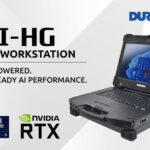 Durabook Launches Z14I-HG: First Rugged Mobile Workstation with 682 TOPS AI Performance