






















































Companies are increasingly compelled to accelerate their artificial intelligence (AI) initiatives while simultaneously managing complex infrastructure, making enterprise platform simplification a critical focus. As organizations navigate the dual pressures of expanding capital-intensive AI projects and streamlining sprawling infrastructures, solutions like Red Hat’s recently launched OpenShift 4.21 aim to address these challenges by optimizing scarce GPU resources, according to Daniel Messer, senior manager for product management at Red Hat Inc.
Messer highlighted the difficulty of acquiring GPUs in an enterprise environment, noting that “if you try to get a GPU these days, it’s almost impossible. In an enterprise environment, it’s an order of magnitude worse.” He underscored the importance of ensuring that these expensive GPUs are effectively utilized and managed.
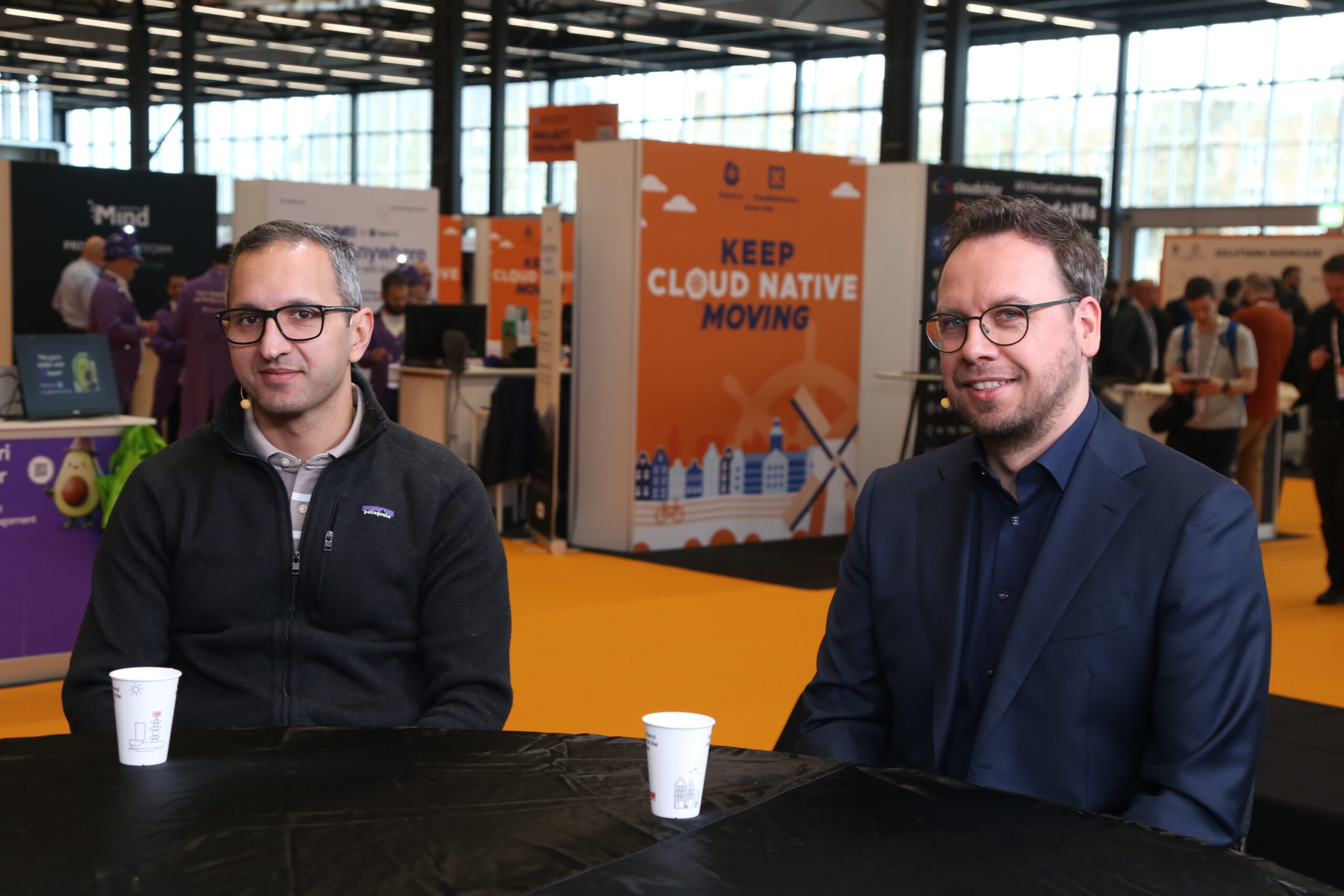
During an exclusive interview on theCUBE at KubeCon + CloudNativeCon EU, Messer and Siamak Sadeghianfar, also a senior manager for product management at Red Hat, discussed the growing emphasis on simplifying enterprise platforms and enhancing security. This push for simplification isn’t solely about AI; it reflects broader customer conversations, particularly in Europe, where organizations are interested in consolidating infrastructure through a platform engineering approach.
Sadeghianfar noted that the rise in demand for web-based integrated development environments stems from security and sovereignty concerns. Companies are increasingly opting for these environments to simplify developer access while maintaining strict control over data and operational environments. “We invest a lot in OpenShift Dev Spaces, which gives developers a one-click web-based regulated development environment with all the capabilities they have on their workstation,” Sadeghianfar explained. He emphasized that this eliminates the typical week-long ramp-up time for developers when switching projects or devices, reducing it to a single click.
This focus on reducing friction for developers aligns with the broader objective of platform-level simplification. Messer pointed out that rising costs are driving this trend, as organizations look for a familiar Kubernetes-style, API-driven model. Part of this conversation involves KubeVirt, an open-source project that enables virtual machines to run alongside containers in Kubernetes environments, enhancing the potential for integration and efficiency.
“It’s a very powerful concept to reapply that — and also consolidate it on the same platform with fewer vendors and less attack surface for changes in different learning curves, which I think has been the power of Kubernetes all along,” Messer remarked. He asserted that virtualization and containers should coexist on a unified platform, a capability that KubeVirt facilitates.
As organizations grapple with the complexities of AI and infrastructure management, the industry is witnessing a shift toward simplification. The interplay between expanding AI capabilities and the need for streamlined operations will continue to shape the landscape for enterprises. With tools like OpenShift Dev Spaces and the integration of KubeVirt, companies are positioning themselves to meet these challenges head-on while fostering a more efficient development environment.
Red Hat’s initiatives reflect an industry-wide drive to not only embrace advanced technologies but also to ensure that these technologies are accessible and manageable for developers. As the demand for AI continues to grow, the focus on simplification and consolidation within enterprise platforms will likely remain a hallmark of successful organizational strategies.
See also AIMX Warns Proposed AI Reforms Could Hinder Innovation and Create Legal Uncertainty
 ZenaTech Achieves 72% Revenue Growth with AI Drones and Drone-as-a-Service Expansion
 Runway Launches $10M Builders Fund to Accelerate AI Video Startups and Ecosystem
 Runway Launches $10M VC Fund to Support Early-Stage AI and Media Startups
 Big Tech Firms Mandate AI Adoption in Performance Reviews to Boost Productivity






