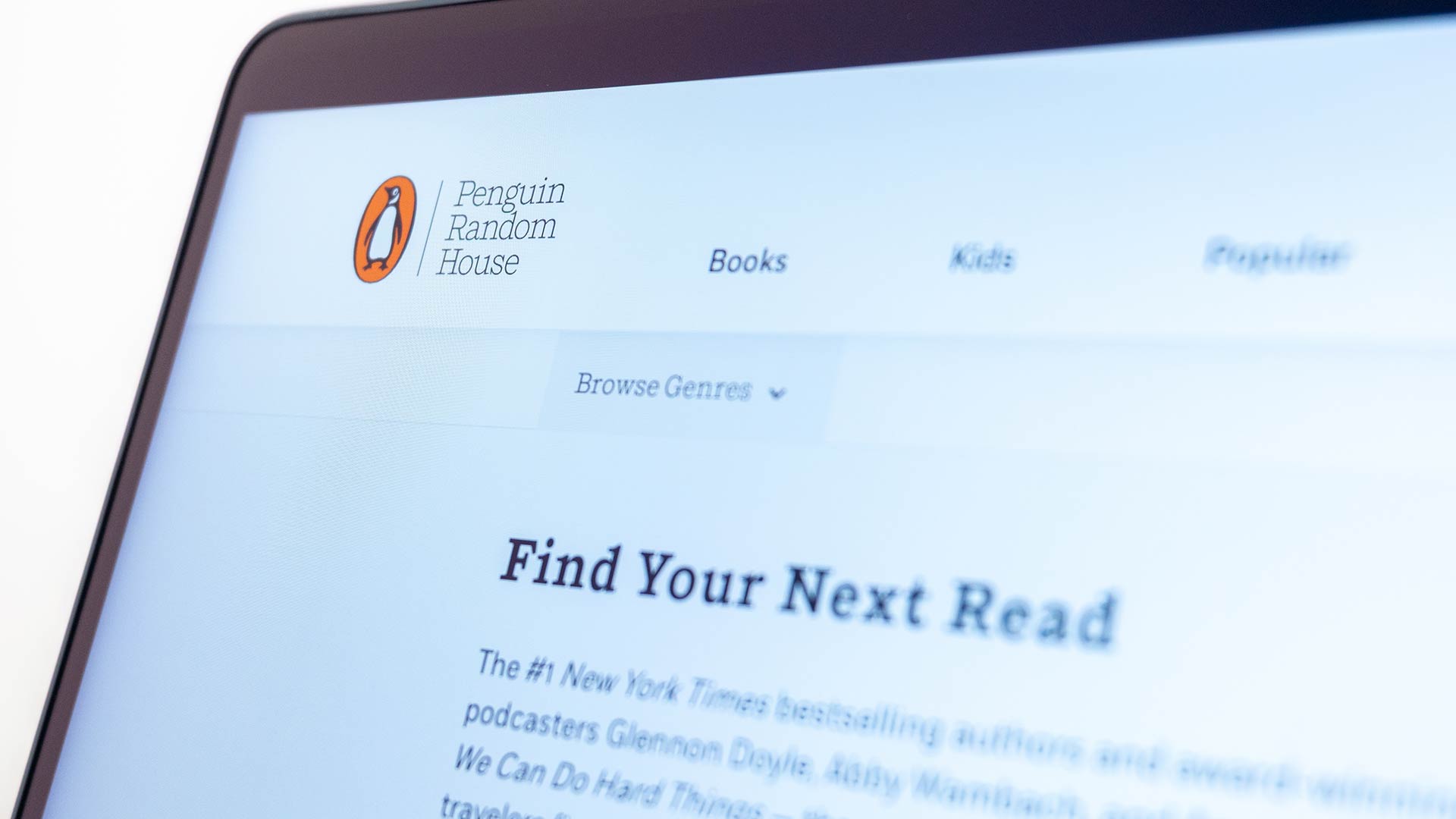
The Penguin Random House (PRH) publishing group has initiated legal action against OpenAI Ireland, the developer behind the AI chatbot ChatGPT, in a case filed at the Munich Regional Court. The lawsuit alleges that OpenAI has infringed on copyright protections by utilizing PRH’s literary works without permission.
This legal development occurs as the conversation around the implications of artificial intelligence on intellectual property gains momentum. PRH’s suit highlights a growing concern among publishers regarding the use of proprietary content by AI systems, which often rely on vast datasets that include copyrighted material. The outcome of this case could potentially set important precedents for how AI technologies interact with existing copyright laws.
The complaint filed by PRH underscores the publishing industry’s struggle to adapt to the changing landscape brought about by AI technologies. As AI-generated content becomes increasingly prevalent, traditional publishers are grappling with the challenge of protecting their intellectual property. The lawsuit not only seeks damages but also aims to establish clearer guidelines on the boundaries of AI utilization in content creation.
This move by PRH aligns with similar actions taken by other content creators and publishers who have voiced concerns over AI’s growing influence. The industry is at a crossroads, needing to balance innovation with the protection of creators’ rights. Legal experts suggest that the outcomes of such cases could inform future regulations governing AI and its interaction with copyrighted materials.
As this situation unfolds, PRH’s legal approach reflects a broader stance taken by content owners aiming to safeguard their work. The publishing group’s decision to litigate may encourage other publishers to follow suit, potentially leading to a wave of lawsuits that could reshape the legal framework surrounding AI and copyright. Furthermore, a ruling in favor of PRH might compel AI developers to reassess how they train their models, ensuring that they comply with copyright laws while still advancing technological innovation.
The implications of this lawsuit extend beyond PRH and OpenAI. They touch on critical questions about the future of creativity, the role of AI in generating content, and the rights of creators in an increasingly automated landscape. With the legal proceedings still in their early stages, the outcome may serve as a bellwether for the publishing industry and tech companies alike.
As discussions around copyright and AI continue to evolve, the PRH lawsuit is likely to be a focal point for both legal scholars and industry stakeholders. The resolution of this case will not only impact PRH and OpenAI but may also influence the broader relationship between technology and creative industries, shaping how both sectors adapt to the challenges and opportunities presented by AI.
See also KRAFTON Launches Raon: First Open-Source AI Model Family with Four Advanced Models
 Amazon Plans $200B AI Investment by 2026, Apple Partners with Alphabet for Siri Upgrade
 Oracle’s Stock Slips 0.9% as AI Expansion Raises Dividend Stability Concerns
 Microsoft Launches Three New MAI Models; Google Unveils Gemma 4 Open AI Models