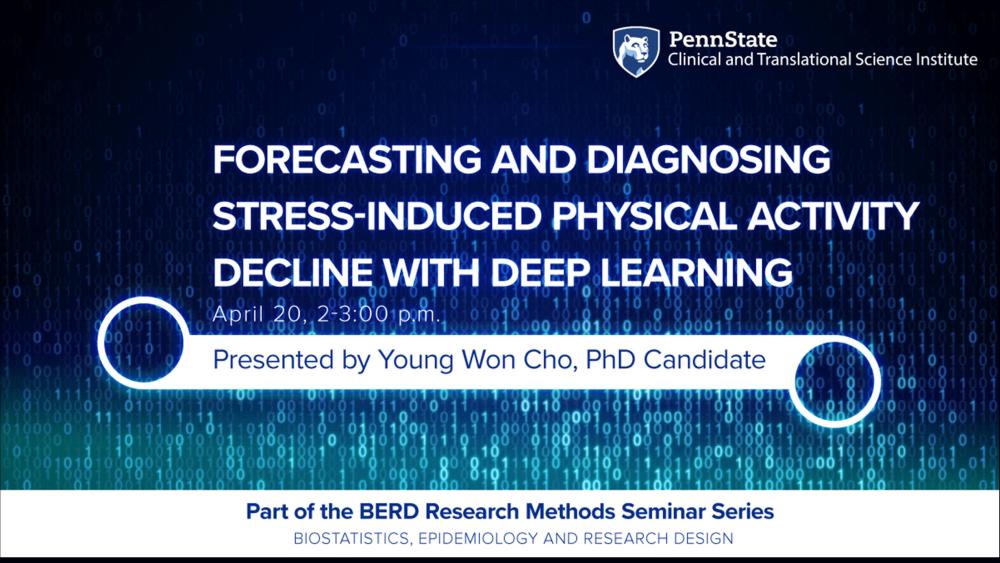
In a recent webinar, Young Won Cho introduced a pioneering two-step approach that merges modern machine learning with interpretable statistical methods to identify declines in physical activity related to stress. This methodology aims to address the significant disruptions to daily life caused by events such as injuries or the COVID-19 lockdown, which often lead to abrupt decreases in physical engagement. Recognizing individuals who are likely to remain disengaged early in this process is paramount for timely intervention, albeit challenging due to the complex and varied nature of activity patterns among individuals.
Using data from wearable devices collected during an aging study amid the COVID-19 lockdown, Cho’s research showcases how pre-disruption activity trends can be leveraged to predict future behavior and uncover distinct recovery profiles. The analysis highlights the potential for advanced machine learning models to enhance early detection of activity declines while ensuring that the results remain practical, transparent, and actionable for health researchers and intervention designers.
Essentially, the study emphasizes the need for innovative approaches to monitor changes in physical activity, particularly during times of crisis. Traditional methods often fail to account for the noisy and highly individualized nature of activity data. Cho’s approach seeks to fill this gap by offering a robust framework that utilizes historical patterns to forecast future outcomes, thus enabling more effective interventions.
Real-world examples presented during the session illustrated how these advanced models can facilitate early identification of individuals likely to experience prolonged declines in physical activity. This not only aids in tailoring interventions but also contributes to broader public health strategies aimed at mitigating the long-term effects of stress-related inactivity.
The Biostatistics, Epidemiology and Research Design (BERD) Recent Topics in Research Methods seminar series at Penn State provides a platform for discussions on both fundamental and advanced research methodologies. This initiative engages statisticians and methodologists from various departments, enriching the academic discourse around research methods throughout the academic year. Such seminars are crucial for fostering collaboration and sharing innovative techniques among professionals in the field.
As research advances in the realm of health monitoring and intervention strategies, the implications of Cho’s findings could extend well beyond the immediate context of physical activity. The integration of machine learning into public health initiatives has the potential to revolutionize how health professionals identify at-risk individuals and tailor interventions accordingly. In a world increasingly influenced by data-driven decision-making, these insights underscore the importance of adapting research methodologies to meet the evolving challenges posed by societal disruptions.
Looking ahead, the implications of such methodologies could be profound, not just for health researchers but for policymakers and community health advocates striving to improve overall well-being. As the landscape of public health continues to evolve, the ability to anticipate and respond to changes in physical activity will be vital for fostering healthier societies.
See also Dario Amodei’s Net Worth Hits $7 Billion as Anthropic Valued at $380 Billion by 2026
 AI Adoption Shifts to Invisible Integration, Enhancing Efficiency by 35% in 2026
 Anthropic Study Reveals AI with Human Traits Could Reduce Deceptive Behavior