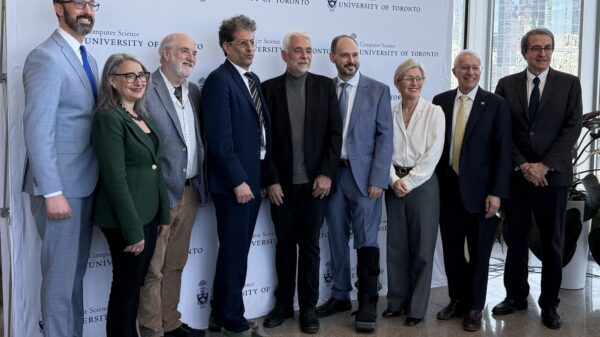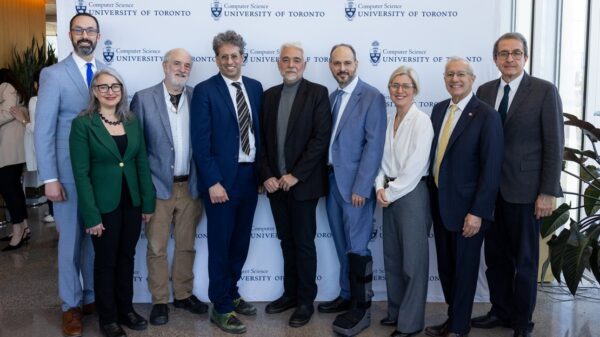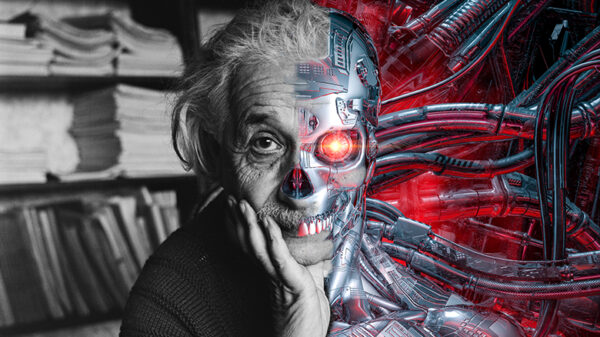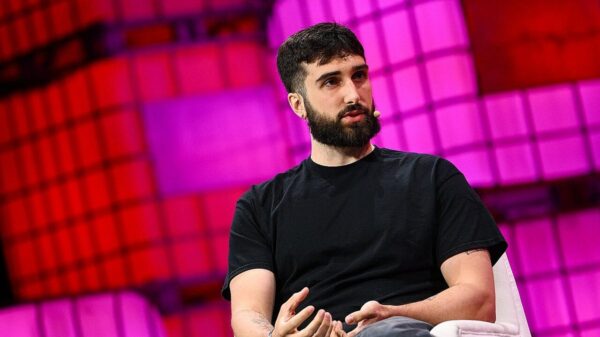
The recent launch of Einstein AI, an edtech tool that allowed students to automate their learning by logging into virtual classrooms to complete assignments, has sparked significant backlash among educators. Launched in February, the tool was viewed by many academics as a troubling realization of their fears about technology’s impact on education. Critics quickly branded it as a harbinger of academic dishonesty, with one professor from the University of Toronto, Aparna Nair, asking, “What even is the fucking point?” as students could potentially rely on a machine to do their studying.
Einstein AI has since been taken offline following threats of legal action from CMG Worldwide, which holds the licensing rights to the Einstein name on behalf of the Hebrew University of Jerusalem. However, its brief existence has rekindled ongoing debates about academic integrity in an age where technology increasingly blurs the lines of traditional educational practices. The incident has ignited fears that mass cheating could undermine the integrity of higher education, prompting questions about the future viability of both educational institutions and the tech companies that support them.
The use of AI tools in education is not new. For example, a court in Sydney recently found that the homework assistance platform Chegg had facilitated cheating among students at Monash University. Similarly, services such as ChatGPT and Google have introduced features that aim to function as “personal AI tutors.” However, while developers assert that these tools are aligned with educational goals, critics argue that Einstein AI’s explicit promise to complete assignments for students represents a worrisome shift in the edtech landscape.
Dave Hitchcock, a course director at Canterbury Christ Church University, characterized the launch of Einstein AI as a “ripping the mask off” moment, suggesting that the edtech revolution is primarily driven by profit rather than educational enhancement. He expressed concern that the introduction of such tools could lead to a fundamental erosion of trust between students and educators, stating, “There is no point at all in me being in a classroom with students I cannot trust to do the work.”
A report by the UK’s Higher Education Policy Institute indicates that student adoption of AI tools is nearly universal, with 95% of students reportedly using AI in some form, and 94% using it for assessed work. This has raised alarms among educators like Hitchcock, who noted a decline in student preparation for academic tasks. He mentioned that many students arrive in class unprepared, relying instead on AI-generated summaries, which complicates the definitions of academic dishonesty.
Michael Draper, a professor at the University of Swansea, echoed these sentiments, highlighting a drop in student engagement year-on-year. He observed that students increasingly depend on chatbots for answers during seminars, leading to a less interactive educational experience. The current student-to-staff ratios further exacerbate this issue, complicating efforts to engage with students meaningfully, he added.
Alongside these trends, a report published by Hepi and AdvanceHE in June revealed that the average number of hours students dedicate to independent study has dropped significantly, further contributing to the temptation to use AI for shortcuts in coursework. Hitchcock noted that this shift has led to a prioritization of outcomes over the learning process itself, diminishing the intrinsic value of education.
Faculty members are grappling with the implications of these changes. Some, like Dan Sarofian-Butin from the School of Education and Social Policy at Merrimack College, initially saw potential in AI to enhance learning but grew increasingly pessimistic as they witnessed widespread cheating. Sarofian-Butin remarked that many students are using AI because it is “so much easier not to think,” which undermines the educational experience.
In response to these challenges, universities are exploring ways to integrate AI into their curricula ethically. Institutions such as the University of Oxford and University of Edinburgh have partnered with OpenAI, while the University of Manchester has initiated a collaboration with Microsoft Copilot. Manchester’s vice-chancellor, Duncan Ivison, emphasized that banning AI is not a viable option, stating, “We can’t bury our heads in the sand.” He highlighted the importance of developing responsible frameworks for AI use while understanding both its potential benefits and risks.
Despite the criticism directed at edtech firms, some academics argue for a more nuanced approach to AI integration. Richard Watermeyer from the University of Bristol stressed the need to move beyond binary perceptions of AI as inherently good or bad. He noted that the discourse surrounding AI needs to evolve to recognize students’ nuanced experiences and desires for quality education.
As educators continue to adapt to this rapidly changing landscape, the challenge remains to balance technological advancements with academic integrity. Sarofian-Butin summarized the dilemma facing many educators: while AI holds significant promise for enhancing the learning experience, it simultaneously poses existential questions about the future of education itself. “I have to know how to do it the right way,” he said, underscoring the urgency for academics to rethink their approaches as they navigate this transformative era.
See also K-12 Teachers Using AI Soars to 85% Amid Growing Concerns Over Student Safety and Skills
 AI Transforms India’s Education: ₹1.39 Lakh Crore Union Budget Fuels Skill Development
 EduSync Secures Seed Funding to Launch AI Teaching Assistant and Expand Edtech Platform
 AI in Education Market Expected to Surge from $5.21B to $61.34B by 2034