The emergence of generative AI is reshaping the landscape of digital creativity, enabling individuals to produce visually captivating images from simple text commands. Tools such as DALL‑E, Midjourney, and Stable Diffusion have democratized the creative process, yet they bring forth complex challenges regarding authorship, ownership, and fair use of AI-generated artwork.
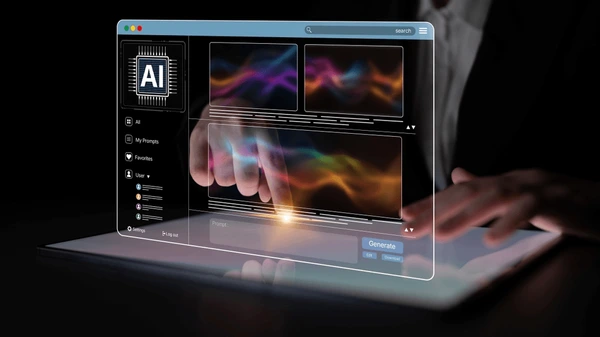
Generative AI systems learn to create artwork by analyzing extensive datasets that encapsulate patterns in texture, color, and composition. When provided with a text prompt, these models synthesize their understanding to generate new images. The quality of the outcomes is significantly influenced by a practice known as prompt engineering, which involves meticulously crafting input instructions to direct the AI’s creative output.
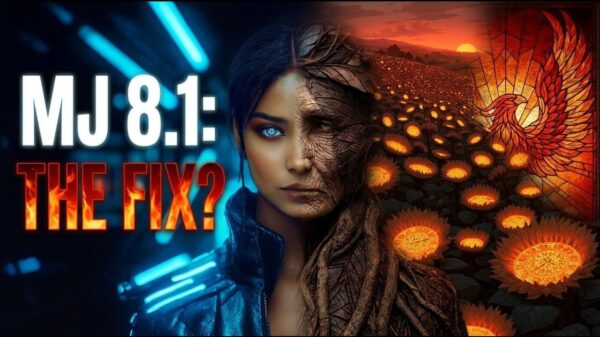
Each of the aforementioned platforms adopts a unique approach to image generation. DALL‑E utilizes a structured API accompanied by content safeguards, while Midjourney promotes a more experimental creative atmosphere through its Discord interface. Meanwhile, Stable Diffusion distinguishes itself as an open-source model, granting users the liberty to customize their outputs. This interplay between human input and algorithmic learning signifies a new form of collaborative creativity.
Central to the ongoing discourse is the question of copyright. If an image is created by an AI, the issue arises: who holds the rights to that image? Current copyright regulations in various jurisdictions, including the United States, stipulate that only works produced by humans can receive protection. As such, purely AI-generated content often falls outside the boundaries of copyright law. However, when human creativity is incorporated into the process through prompt engineering, the possibility of claiming ownership increases, as U.S. policy recognizes limited protection for works with a “meaningful human contribution.”
Commercial usage of AI-generated artwork is contingent on the licensing agreements of each platform. DALL‑E permits commercial use under specified conditions, while Midjourney offers commercial rights through its subscription model. Stable Diffusion, with its open-source nature, provides users with maximum flexibility, albeit with a heightened responsibility to comply with existing laws.
As brands increasingly integrate generative AI visuals into their marketing strategies, they must navigate potential copyright conflicts. AI models, which learn from extensive image databases that may include copyrighted materials, risk prompting infringement claims when generated images closely resemble existing works. To mitigate these risks, many creators opt to blend AI components with original visuals, thereby documenting their creative contributions as proof of ownership.
Legal challenges surrounding generative AI often center on how training data is sourced. Most AI art models are trained on vast online datasets that encompass both public-domain and copyrighted content. Artists have raised concerns that training on their works without consent infringes upon their rights, even if the final products do not directly replicate their original art. Developers, however, argue that the generative process is transformative, falling under fair use protections. Ongoing litigation involving Stable Diffusion and Midjourney is likely to influence future interpretations of copyright law as it pertains to AI model training.
In response to these challenges, regulators are exploring solutions that include enhancing dataset transparency and implementing opt-out mechanisms for creators to safeguard their intellectual property. As AI-generated artwork continues to blur traditional legal definitions, the conversation highlights the need for clarity in how creativity is conceived in the digital age.
Professional artists are divided in their views on generative AI. Some embrace it as a groundbreaking medium that enhances creative expression, while others express concerns about its potential to undermine individual artistry by replicating human styles. Advocacy from illustrator and digital painting communities has led to calls for clearer labeling and consent regarding data collection practices.
Lawmakers and public agencies are beginning to respond to these emerging technologies. The U.S. Copyright Office is currently assessing applications involving AI-generated artwork, while the European Union’s AI Act aims to establish standards for transparency and data documentation. Ethical researchers are also investigating watermarking systems and metadata tracking to differentiate between AI-generated and human-made images, indicating a concerted global effort to balance innovation with accountability.
Looking ahead, it is anticipated that legal frameworks will evolve to incorporate generative AI into intellectual property law, potentially defining the threshold for sufficient human input and clarifying fair use for algorithmic models. This shift could encourage creators to view prompt engineering as a legitimate artistic skill, similar to traditional methods in photography and filmmaking. Meanwhile, developers are focusing on increasing transparency through open datasets and disclosure practices, which could foster public trust in AI technologies.
The dialogue surrounding AI-generated artwork transcends legal arguments and speaks to a broader societal reevaluation of creativity. Generative AI empowers individuals to rapidly visualize their ideas, yet it also necessitates the establishment of new ethical standards. As stakeholders—including artists, users, and lawmakers—navigate this evolving landscape, the future of creative expression will hinge on collaborative efforts to ensure that technological advancements enhance rather than diminish human originality.
See also Florida’s AI Sector Grows: Top 10 Companies for 2026 Led by Simform and Biz4Group
 AI Clones Exploit Ghanaian Identities, Threatening Trust and Digital Safety
 90% of Smartphone Users Rely on AI Daily, Yet Only 38% Recognize Its Role
 Flova Integrates ByteDance’s Seedance 2.0 with Seamless 50 Concurrent Generations
 Autodesk Launches Wonder 3D AI Model, Streamlining 3D Asset Creation for All Creators