






















































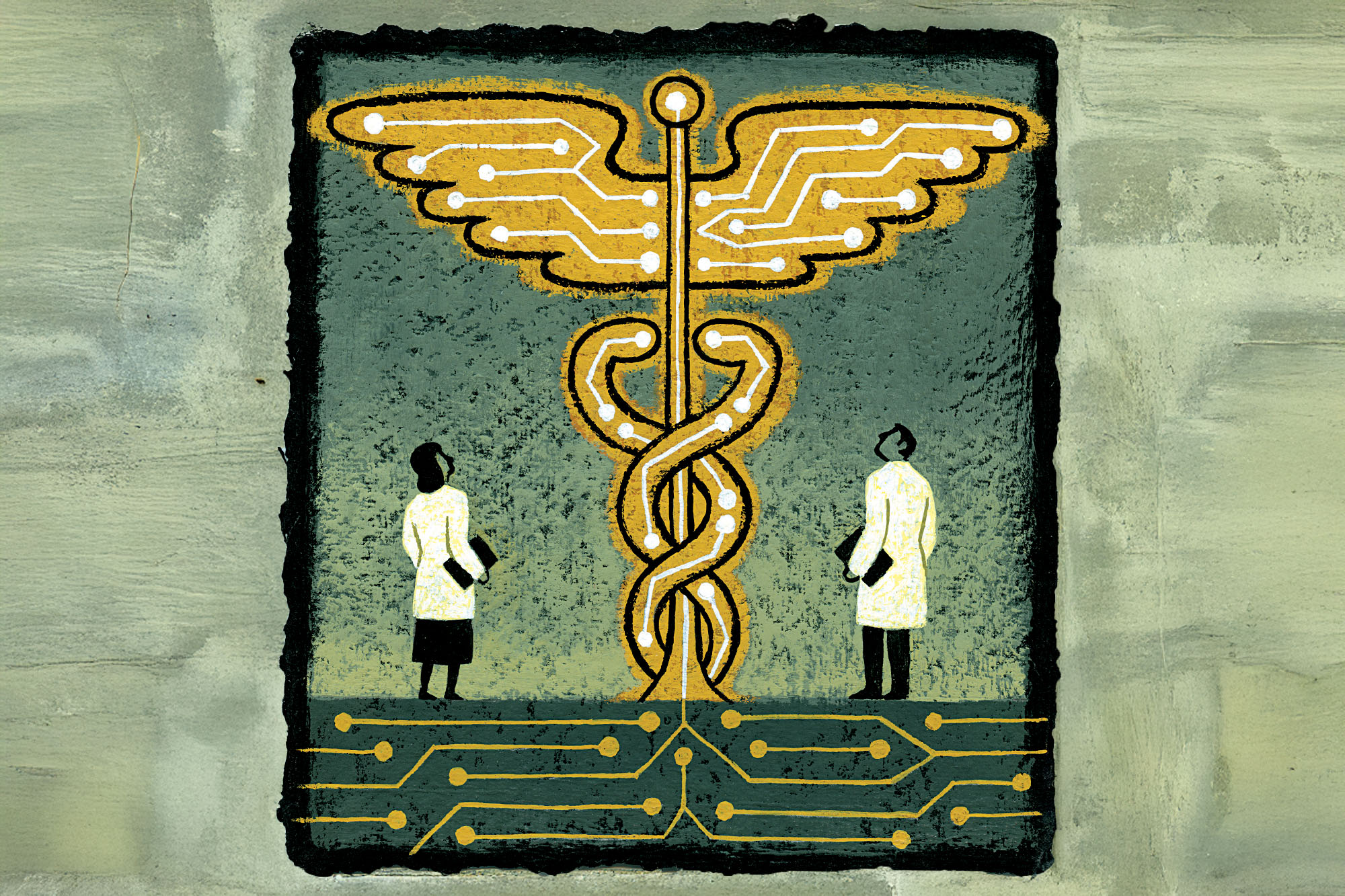
The integration of artificial intelligence (AI) in healthcare is beginning to reshape patient experiences in California. Tools such as ambient-scribing services, chatbots, and diagnostic tools are being implemented to streamline administrative tasks, enhance patient interactions, and improve diagnostic accuracy. These innovations promise to tackle issues like clinician burnout and accessibility, but they also raise important questions about patient trust and understanding.
Key Features
AI tools in healthcare serve several crucial functions. For instance, ambient-scribing services help doctors take notes more efficiently during patient visits, allowing them to focus more on direct patient care. Chatbots assist patients in scheduling appointments, while diagnostic tools act as supplementary reviewers of imaging results, such as mammograms. These technologies aim to alleviate the administrative burden on healthcare providers, ultimately enhancing the quality of care delivered to patients.
Use Cases and Who It’s For
The primary beneficiaries of these AI tools are healthcare providers and their patients. For clinicians, the automation of routine tasks offers more time for face-to-face interactions, which can enhance patient satisfaction and reduce burnout. Patients, especially those facing geographic or linguistic barriers, stand to gain improved access to care. Research by the California Health Care Foundation indicates that patients are generally supportive of AI in healthcare, provided they are adequately informed about its use. For example, patients who understand how AI aids in services like interpretation and screening are more likely to approve its application in their care.
However, the successful integration of AI in healthcare also depends on addressing patient concerns regarding trust and transparency. Many patients—particularly from diverse backgrounds—want to ensure that AI is utilized responsibly and does not compromise the human elements of care. This is critical for maintaining relationships between patients and their primary care providers, who are seen as essential for navigating complex healthcare challenges.
Limitations or Risks
Despite the promising benefits of AI tools, there are notable limitations. A significant barrier to the adoption of AI in healthcare is the skepticism stemming from a lack of understanding. Many patients express concerns not necessarily about the accuracy of AI tools, but about the transparency of their usage. This worry is particularly pronounced among historically marginalized populations, who may have additional layers of mistrust towards the healthcare system. Effective communication about AI’s role in patient care is crucial to mitigate these concerns and enhance acceptance among patients.
Moreover, safety-net providers often have fewer resources to deploy these technologies, despite their patients being the ones who could greatly benefit from increased access to AI-enabled services. The need for robust patient education on how AI works and its implications is paramount for successful integration and acceptance.
In the context of broader AI trends, the movement towards applying AI in healthcare is reflective of a larger shift towards automated workflows and efficiency improvements in various industries. As AI continues to advance, its applications will likely expand, necessitating ongoing dialogue about its ethical implications and the importance of human oversight.
See also Check Point Partners with Microsoft to Embed AI Security in Copilot Studio
 Meta Develops AI Briefing Tool ‘Project Luna’ for Personalized Facebook Summaries
 Microsoft AI CEO Mustafa Suleyman Criticizes Public’s AI Skepticism Amid New Innovations
 Interview Kickstart Launches Seven-Week Low-Code AI Course for Engineers, Featuring Live Projects
 Google Clarifies No Gmail Data Used for AI Training, but Data Privacy Remains a Concern















