






















































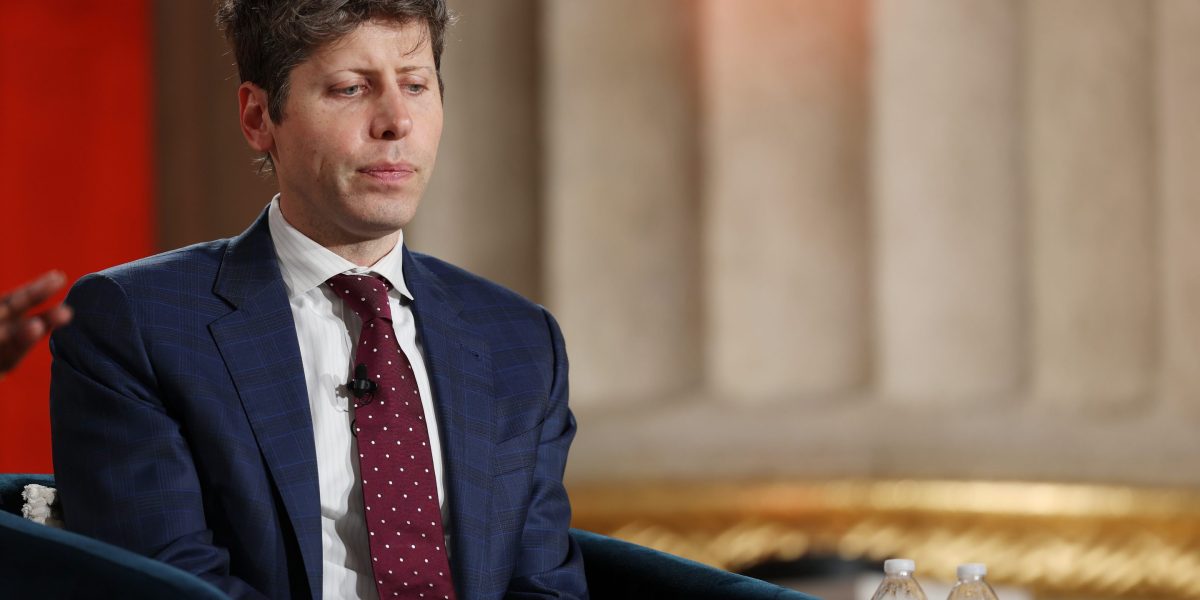
OpenAI CEO Sam Altman is advocating for a significant shift in U.S. tax policy to address the economic impact of artificial intelligence (AI) on the labor market. This initiative was outlined in a 13-page paper released by OpenAI on Monday, titled “Industrial Policy for the Intelligence Age: Ideas to Keep People First.” The document proposes increased taxes on corporate income and capital gains to ensure that the financial rewards of AI are more equitably distributed among workers and society.
“Policymakers could rebalance the tax base by increasing reliance on capital-based revenues—such as higher taxes on capital gains at the top, corporate income, or targeted measures on sustained AI-driven returns—and by exploring new approaches such as taxes related to automated labor,” the report states. This shift comes amid ongoing debates about AI’s potential to disrupt the labor market, an issue that has been met with a largely anti-regulatory stance from the current administration.
Despite warnings around the implications of AI, the Trump administration has consistently pushed back against regulatory measures. Last December, President Donald Trump signed an executive order aimed at reducing “burdensome” regulations on technology development. OpenAI’s recent policy proposals are positioned as a counterpoint to this prevailing mindset, advocating for a proactive stance on AI regulation.
In addition to tax reforms, the paper outlines several innovative policies designed to support workers during this transition. These include encouraging companies to invest in worker retention and retraining, implementing a four-day work week without pay cuts, and establishing a “public wealth fund” that would allow all U.S. citizens to benefit from the economic gains attributed to AI advancements.
The idea of a shorter work week is gaining traction beyond OpenAI’s proposals. Jamie Dimon, CEO of JPMorgan Chase, has suggested that AI could reduce the work week to three and a half days while enhancing overall life quality. However, he shares Altman’s concerns about the potential for AI to displace workers, advocating for government intervention to mitigate job losses. Dimon has proposed a collaborative approach between the government and businesses to create incentives for retraining programs and other supportive measures.
In recent interviews, Altman has noted that even those in traditionally free-market positions recognize the disruptive potential of AI. He shared insights from a conversation with a “senior Republican” who acknowledged that the balance of power between labor and capital is shifting unfavorably towards capital. “Capitalism has depended on some balance between labor and capital,” Altman emphasized, reflecting a growing consensus on the need for a more balanced approach.
Altman’s views on regulation have evolved over time. Earlier this year, he testified before Congress, urging for regulatory frameworks that could manage the risks of AI while ensuring innovation does not stall. His latest remarks signal a renewed urgency for robust policies that protect workers from the fallout of AI advancements.
Historical Context and Future Implications
OpenAI draws parallels between today’s technological landscape and previous historical periods marked by significant upheaval, such as the New Deal and the Progressive Era. The paper argues, “Society has navigated major technological transitions before, but not without real disruption and dislocation along the way.” It stresses that while such changes can lead to greater prosperity, they require deliberate political choices to ensure widespread benefits.
However, the appetite for substantial regulatory measures appears limited, particularly within the current Republican-controlled Congress. Although Congress passed the TAKE IT DOWN Act to regulate deepfakes, broader regulatory initiatives have been met with skepticism. The administration’s recent AI policy framework aims to balance innovation with worker protections, but it is marked by a reluctance to impose stringent state regulations that could hinder national competitiveness.
As discussions surrounding AI regulation progress, the future implications of these policies remain critical. Altman’s push for a tax on AI’s economic gains seeks to preemptively address the challenges posed by technological advancements, underscoring the urgent need for a legislative response that aligns economic growth with societal welfare. The stakes are high as the nation grapples with how to ensure that the benefits of AI are shared broadly, rather than concentrated among a select few.
See also Moonbounce Secures $12M to Enhance Real-Time AI Control and Safety Compliance
 OpenAI Proposes Four-Day Workweek, Robot Taxes, and Public Wealth Fund for AI Era
 California Unveils Historic Parents & Kids Safe AI Act to Protect Youth from AI Risks
 AI Startups Offer Free Tools to Law Schools as Market Soars to $10B by 2030
 White House Unveils National AI Regulatory Framework Amid Surge of State Legislation














