In a move underscoring the ongoing challenges of online security and user verification, many internet users are currently encountering enhanced captcha verification processes. This additional layer of security is intended to differentiate between human users and automated bots that may attempt to access sensitive information or disrupt online services.
The captcha prompts, which require users to prove their identity by checking a box or solving a puzzle, have become more prevalent across various platforms. This shift comes as cyber threats evolve, prompting companies to bolster their defenses against malicious activities. Users may notice that even after initially verifying their identity through captcha, they can be redirected back to the same verification page. This repetitive cycle indicates a malfunction or an increased security measure that necessitates further user engagement.
In particular, it has been reported that users may need to enable JavaScript and cookies in their browser settings to navigate these security checks successfully. Failure to do so not only complicates the user experience but can also lead to frustration as access to desired pages remains blocked. If users continue to face issues completing the captcha process, they are advised to contact the support team for assistance, providing details such as the “Ray ID” and “Client IP” associated with their session.
This situation highlights the delicate balance between maintaining user security and ensuring a seamless online experience. As digital interactions become increasingly integrated into daily life, the reliance on automated security measures like captchas raises questions about user accessibility and the potential for alienating genuine users. It remains essential for companies to refine these systems, ensuring they serve their intended purpose without deterring legitimate traffic.
Looking ahead, the ongoing evolution of online security protocols will likely continue to shape user experiences. As businesses invest in more sophisticated verification technologies, the challenge will be to implement these measures in a way that is both effective and user-friendly, fostering trust and accessibility in the digital landscape.
See also AI Companion App Revenue Surges 30% in Q1 2026; Zeta Leads Global Growth Rankings
 Meta Shifts to Partial Open-Source AI Models Under Alexandr Wang Amid Rising Competition
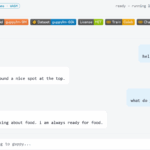 GuppyLM Enables Users to Create Custom Language Models in 5 Minutes for Free
 Reply Named Launch Partner for Microsoft Agent 365, Enhancing AI Governance and Scalability
 DeepSeek Launches Instant and Expert Chatbot Modes Ahead of V4 Release