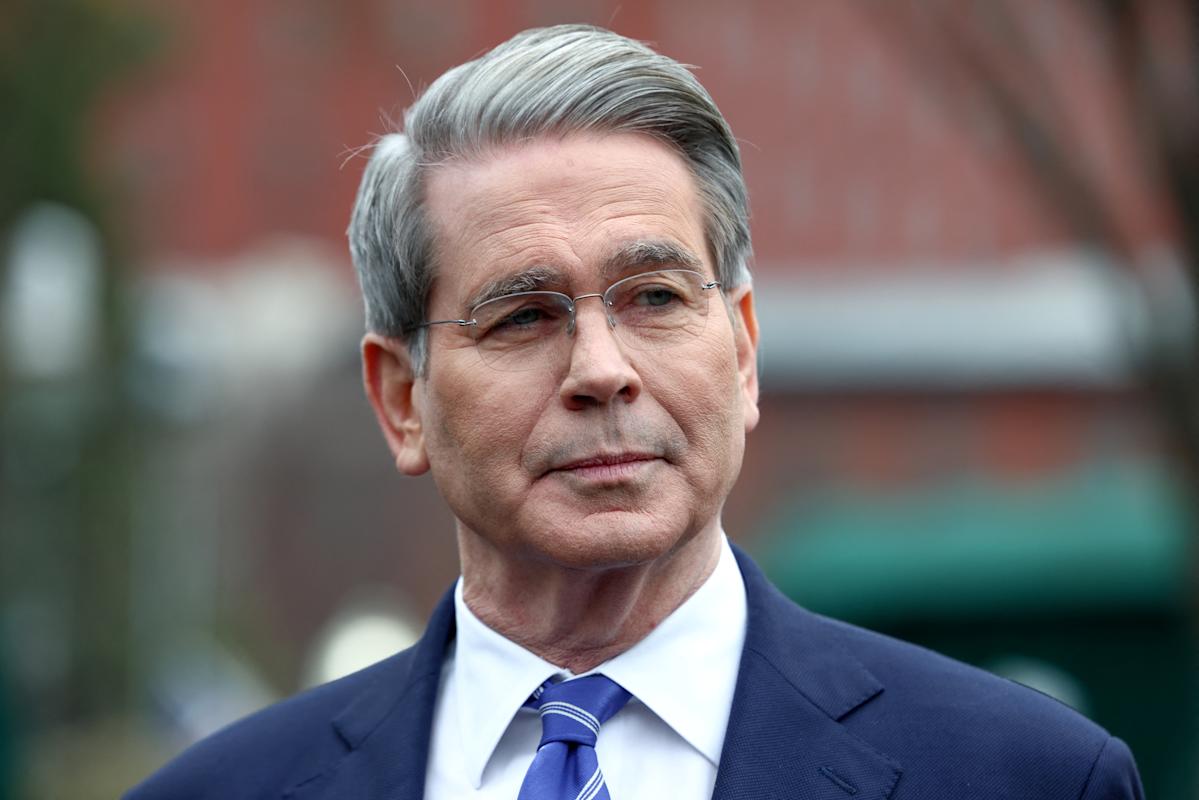
Treasury Secretary Scott Bessent and Fed Chair Jerome Powell convened top banking executives in Washington this week to discuss escalating cyber threats posed by advanced artificial intelligence, specifically highlighting concerns about Anthropic’s latest AI model, Mythos. The meeting included leaders from major financial institutions such as Citigroup, Bank of America, Morgan Stanley, Wells Fargo, and Goldman Sachs, as reported by Bloomberg. The urgency of the session underscored the potential risks of AI-driven cyberattacks that could disrupt banking systems and undermine public trust in financial institutions.
While the tech sector has been grappling with various challenges, the financial industry remains a critical focus. The risks associated with AI extend beyond job displacement; they threaten the stability of personal finances, with the potential for AI to manipulate or erase account balances. The dialogue among financial leaders reflects a growing recognition that systemic risks arising from AI innovation must be taken seriously.
The anxiety surrounding Mythos relates to its limited accessibility, as the model will only be available to a select number of companies, aiming to mitigate exposure and potential fallout. Nonetheless, this precautionary measure doesn’t erase the lingering apprehension that advanced AI could exacerbate existing vulnerabilities within financial systems. The conversation in Washington comes at a time when concerns about AI have been amplified by years of marketing that play on fears of disruption and catastrophe.
AI labs frequently warn of the existential threats posed by their technologies, while simultaneously promoting their latest innovations as solutions to those very issues. This duality raises questions about the ethical implications of AI development. For instance, the juxtaposition of offering enhanced security measures against the backdrop of creating the very vulnerabilities they seek to protect against raises ethical dilemmas reminiscent of a Bond villain’s scheme.
The response from governmental leaders indicates a shift from previously more dismissive attitudes toward tech disruptions. The heightened concern from Treasury and the Fed suggests that the stakes are perceived to be higher this time. AI laboratories, however, maintain that advancing technology is an inevitable and morally defensible pursuit, framing their role as responsible stewards of this new frontier. In this context, the emergency meeting may signal an impending wave of regulatory oversight aimed at addressing these growing concerns.
As AI continues to evolve and integrate into various sectors, including finance, its implications for market stability will likely prompt ongoing scrutiny. Stakeholders are faced with a complex reality: while the development of AI may drive advancements and efficiencies, it also carries significant risks that could disrupt the very foundation of financial systems. As the narrative around AI becomes increasingly fraught, the call for responsible governance and transparency in AI development is expected to intensify.
This week’s discussions in Washington reflect a crucial moment for the intersection of technology and finance. As concerns mount about the capabilities of AI to exploit vulnerabilities, the dialogue among banking leaders and regulators will be vital in shaping a framework for safe AI implementation. The outcome of these discussions may pave the way for new regulatory paradigms, striking a balance between innovation and risk management in an era where the stakes have never been higher.
See also London Fintech Round Secures $6M Seed for Automated Payroll and Treasury Solutions
 GRO77Z Launches Token Presale with 200% Bonuses, Targets AI-Driven Finance Growth
 OpenAI Acquires Fintech Start-Up Hiro, Enhancing AI-Powered Personal Finance Solutions