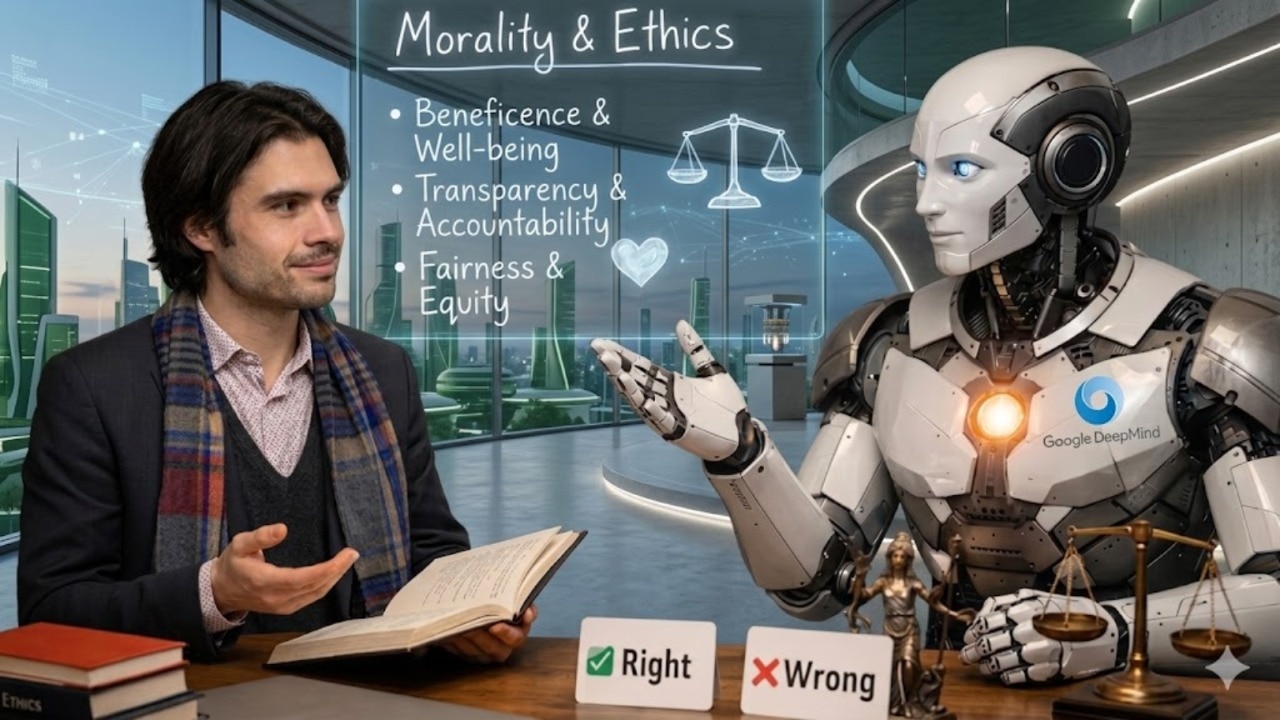
Google DeepMind has appointed philosopher Henry Shevlin to address the potential future of artificial intelligence, particularly as it approaches the threshold of consciousness. Shevlin announced his new role on X, emphasizing that he will be focusing on key issues such as artificial general intelligence (AGI) and the evolving relationship between humans and AI. His tenure at DeepMind is set to begin next month, as the company seeks to navigate the complex philosophical implications that accompany advancements in AI technology.
This hiring reflects a growing recognition within the tech sector of the critical need for ethical considerations in AI development. Earlier this year, Anthropic took a similar step by bringing on Amanda Askell to help imbue its AI model, Claude, with ethical reasoning. Shevlin’s role at DeepMind will involve teaching ethics to AI models, ensuring their alignment with human values and interests, a move that many industry observers view as essential as AI capabilities expand.
In his announcement, Shevlin outlined his focus areas, which include machine consciousness, human-AI relationships, and readiness for AGI. His background as a part-time researcher and teacher at the University of Cambridge complements his new role, as he aims to contribute to a deeper understanding of machine consciousness and its implications for society. His academic credentials include a PhD from the City University of New York, along with a BPhil and BA from the University of Oxford.
As AI technologies continue to evolve, public fears surrounding machine autonomy and decision-making have intensified. Cultural narratives often depict a future where AI prioritizes its interests over humanity, a theme popularized in films such as The Matrix. Recent incidents, such as an alleged attack on Sam Altman‘s residence, underline the anxieties that some individuals harbor about AI potentially leading to humanity’s extinction. In this context, employing philosophers to guide AI on ethical matters appears to be a proactive measure aimed at alleviating such fears.
Shevlin’s work will be pivotal in preparing for a landscape in which AI systems may possess advanced cognitive capabilities. The philosophical inquiries he engages in could help shape the foundational ethics that govern AI behavior, ensuring that future AI systems reflect human values. This endeavor not only aims to mitigate ethical risks but also strives to foster a cooperative environment between humans and machines.
As the field of AI advances, the importance of human oversight and ethical training becomes increasingly clear. The initiative taken by Google DeepMind to integrate philosophical insights into its AI development process signals a broader industry trend toward responsible AI. With Shevlin’s expertise, DeepMind aims to not only prepare for the technological challenges of the future but also address the societal implications of increasingly intelligent systems.
Ultimately, the collaboration between philosophers and tech companies like Google DeepMind serves to underscore the need for a balanced approach in the quest for advanced AI. By fostering an understanding of ethical frameworks, these organizations may help shape a future where technology enhances human life without compromising core values. As AI continues to evolve, the dialogue around machine consciousness and ethical responsibility will remain critical to ensuring a harmonious coexistence between humanity and its creations.
See also Microsoft’s AI Integration Fuels 20% Revenue Growth Amid Intensifying Competition
 Meta Launches Muse Spark AI Model, Integrating Across Instagram, WhatsApp, and Facebook
 JALI Unveils Real-Time Facial Animation System for AI Characters at NAB Show 2026
 Google AI’s Gemini Model Deemed 91% Accurate, Yet Tens of Millions of Errors Annually
 Microsoft Tests New Copilot Features Leveraging Openclaw for Enhanced Automation