






















































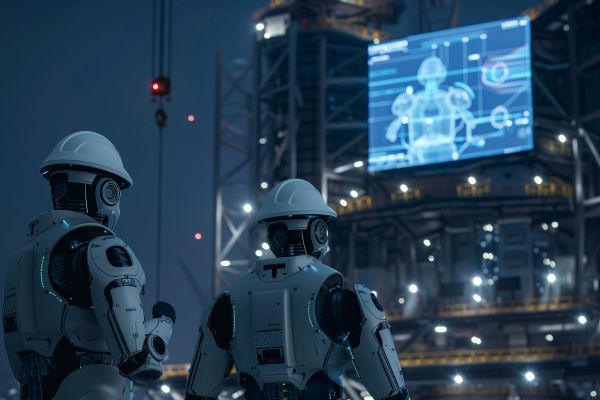
As industrial systems become increasingly interconnected, organizations are harnessing digital technologies to enhance efficiency and productivity. This evolution, characterized by real-time communication among machines, sensors, and control systems, is often referred to as connected industrial networks. However, while this connectivity offers numerous advantages, it also exposes organizations to heightened security risks, as cyber threats targeting these systems grow more sophisticated and frequent.
Traditional security measures have proven inadequate against the evolving landscape of cyber threats targeting industrial environments. In response, artificial intelligence (AI) is emerging as a pivotal force in bolstering threat detection and enhancing the security of connected industrial systems. AI’s ability to analyze large volumes of data in real time enables it to identify patterns that suggest potential threats, significantly improving the effectiveness of security protocols.
Connected industrial systems are underpinned by technologies such as the Internet of Things (IoT), cloud computing, and automation, facilitating seamless communication between devices. This connectivity allows businesses to monitor operational performance and optimize processes. However, the expanded attack surface also raises concerns about unauthorized access, data breaches, and system disruptions, necessitating advanced security measures capable of rapid threat detection and response.
AI enhances threat detection by processing vast amounts of data generated by sensors, machines, and network activities. Unlike traditional systems that depend on predefined rules, AI leverages machine learning to adapt to new threats, identifying unusual behavior that may elude conventional security methods. This capability enables early threat detection, reducing the risk of significant operational disruptions.
Moreover, AI plays a critical role in enhancing security analytics. By integrating AI with security frameworks, businesses gain deeper insights into system behavior and potential risks. AI-driven analytics continuously monitor network traffic, user activity, and overall system performance, flagging anomalies such as unauthorized access attempts or unexpected data transfers. This proactive approach allows security teams to respond effectively rather than reactively, strengthening overall system resilience.
One of the notable benefits of AI in industrial security is its capacity for real-time monitoring. AI systems consistently analyze data streams and can detect threats as they emerge. Upon identifying a potential threat, these systems can trigger alerts and initiate automated responses, significantly reducing the time required to mitigate security issues. For instance, if an unauthorized device attempts to connect to the network, AI can automatically block the access and notify security personnel, ensuring critical operations are protected.
In addition to addressing current threats, AI also facilitates predictive threat detection. By examining historical data and recognizing trends, AI can forecast potential security issues. This predictive functionality empowers organizations to address vulnerabilities before they can be exploited, ultimately enhancing overall security and reducing the likelihood of successful attacks.
AI’s role in improving operational continuity is vital, as security breaches can lead to costly production downtime and safety risks. Effective AI-driven security measures help ensure that threats are swiftly detected and managed, allowing organizations to maintain uninterrupted operations. Furthermore, such solutions minimize the need for manual monitoring, enabling teams to concentrate on strategic initiatives rather than reactive security measures.
Despite its advantages, the implementation of AI in industrial security is not without challenges. High-quality data is essential for AI systems to function optimally, creating a dependency on accurate and comprehensive data sets. Furthermore, integrating these AI solutions with existing infrastructures can be complex, particularly in environments where legacy systems are prevalent. Concerns around data privacy and system reliability also pose significant considerations for businesses looking to adopt AI-based security measures.
Looking ahead, the significance of AI in enhancing industrial security is expected to expand as cyber threats continue to evolve. Advances in machine learning and data analytics will enhance threat detection capabilities, allowing organizations to stay ahead of potential risks. As industries deepen their reliance on digital technologies, the adoption of AI-driven security solutions will be crucial for ensuring the safety, reliability, and long-term success of connected industrial systems.
Ultimately, artificial intelligence is reshaping the landscape of threat detection in connected industrial systems, providing advanced monitoring and analysis capabilities that empower businesses to identify and respond to threats swiftly. As organizations navigate the complexities of increased connectivity and heightened cyber threats, the integration of AI with security analytics will be essential for maintaining secure and resilient operational environments.
See also Safe Pro Group Achieves AI Drone Threat Detection Breakthrough in U.S. Army Live Fire Exercise
 Anthropic Reveals Mythos AI Model’s Threat to Small Businesses Amid Cybersecurity Concerns
 Saudi Arabia’s Cybersecurity Startups Secure $25M Investment Amid Rising Digital Threats
 Anthropic Reveals Claude Mythos Preview: AI Can Now Exploit Vulnerabilities Autonomously
 AI Becomes Standard Tool for Cybercriminals, Forescout Reveals Claude’s Rise















