






















































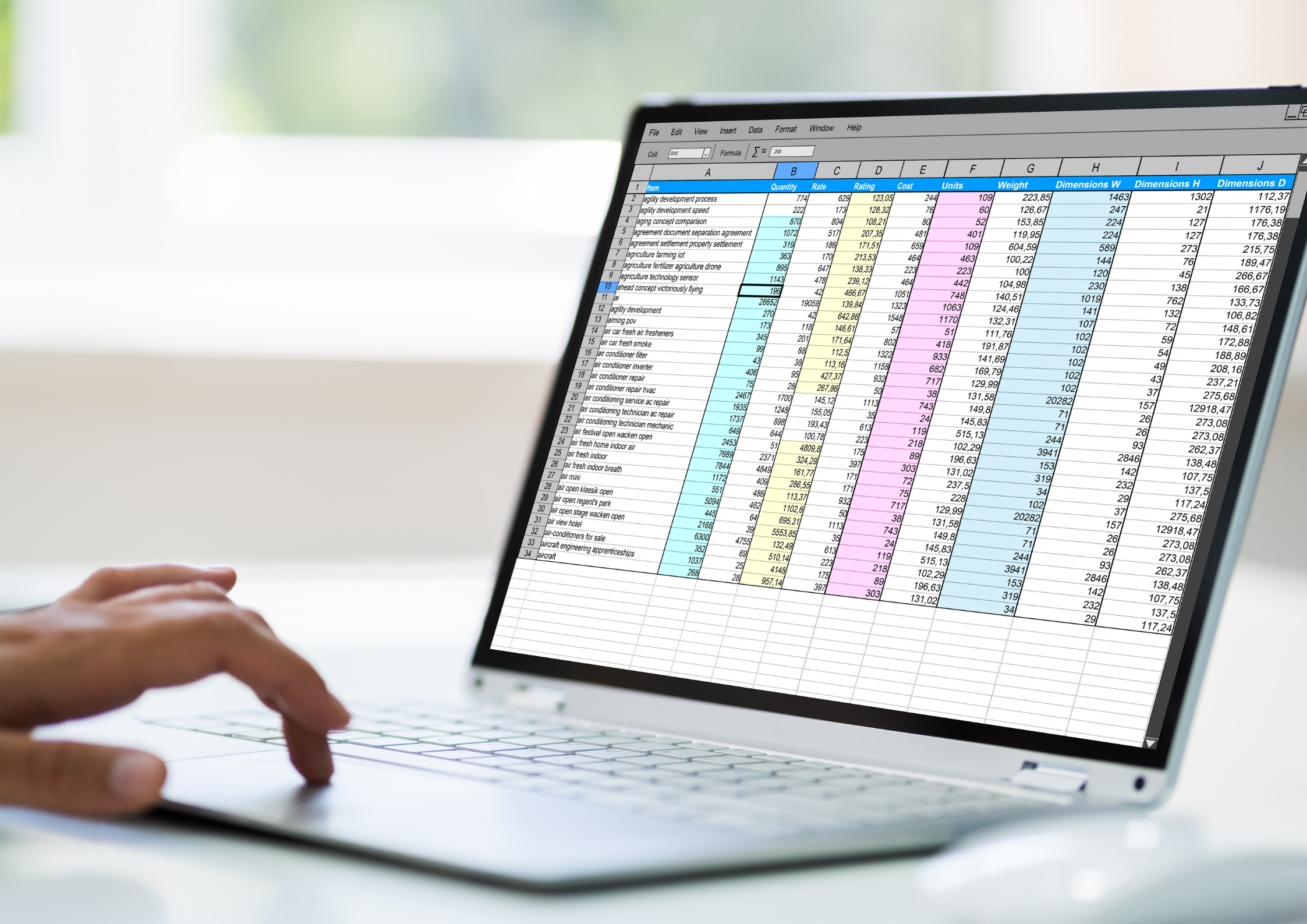
OpenAI is enhancing the functionality of ChatGPT for enterprise applications, introducing new Skills and Apps features for Microsoft Excel to streamline repeatable processes such as forecasting, reporting, and financial modeling. This update aims to integrate AI into structured workflows, which allows teams to standardize operations rather than performing isolated tasks. Early implementations emphasize the utility for finance teams, where repetitive processes are frequently reconstructed manually during reporting cycles.
The new capabilities consist of two primary components. Skills focus on how teams organize their work, encompassing logic, formatting, and expected outputs. Apps facilitate connectivity to real-time data sources and tools directly within Excel, enabling users to execute predefined processes without the need to start from scratch. This functionality is expected to minimize output variability and align results with internal standards.
In a recent LinkedIn post, Sarah Friar, Chief Financial Officer at OpenAI, emphasized the importance of repeatable workflows in finance teams, stating, “Every finance team relies on a similar set of repeatable workflows – forecasts, KPIs, reconciliations, and models.” Friar noted that these processes are often crucial, time-consuming, and frequently reconstructed more often than necessary.
She further elaborated on the transformative potential of the new system: “Instead of starting from a blank sheet, teams can now: run standardized workflows on demand; pull from trusted, connected data sources; generate outputs that match internal expectations the first time.” The focus on structured workflows is indicative of a broader trend in enterprise AI adoption, where organizations seek to reduce redundancy and enhance consistency across various teams.
Friar explained that the benefits extend beyond individual productivity, suggesting that the integration of these systems leads to “less rebuilding, fewer inconsistencies, and faster cycles from analysis to decision.” She added, “Having seen this play out firsthand, this is where things really start to compound. It’s not just individual productivity, but shared systems that scale across functions.” This emphasis on shared systems illustrates a shift from standalone AI tools to their incorporation into core business operations.
The introduction of these features aligns with the growing demand for efficient workflow management in enterprises. As businesses increasingly adopt AI technologies, the need for tools that can improve collaboration and standardization becomes paramount. OpenAI’s latest offerings underscore a significant movement toward embedding AI directly into the fabric of business processes, rather than relegating it to ancillary tasks.
As organizations continue to navigate the complexities of data management and reporting, features like those introduced by OpenAI could redefine the landscape of enterprise productivity. By reducing the manual effort involved in repetitive tasks, businesses may find themselves better equipped to respond to market demands and internal challenges alike.
Looking forward, the implications of this update may extend well beyond Excel. As AI becomes more integrated into everyday business applications, the potential for transforming entire workflows and operational efficiency appears vast. The future of enterprise AI may well hinge on the ability to create interconnected, standardized systems that enhance both individual and organizational performance.
See also Global Finance Leaders Warn Anthropic’s Mythos AI Could Expose Critical System Vulnerabilities
 Gartner Stock Surges as Oakmark Fund Invests; AI Finance Symposium Highlights Key Insights
 Allbirds Surges 350% After AI Pivot, Rebrands as NewBird AI and Aims for $50M Raise
 Ekniti and World Bank’s Ajay Banga Discuss Low-Carbon Cities and Digital Finance Initiatives
 Meta Expands AI Chip Partnership with Broadcom, Commits Over 1 Gigawatt of Capacity














