
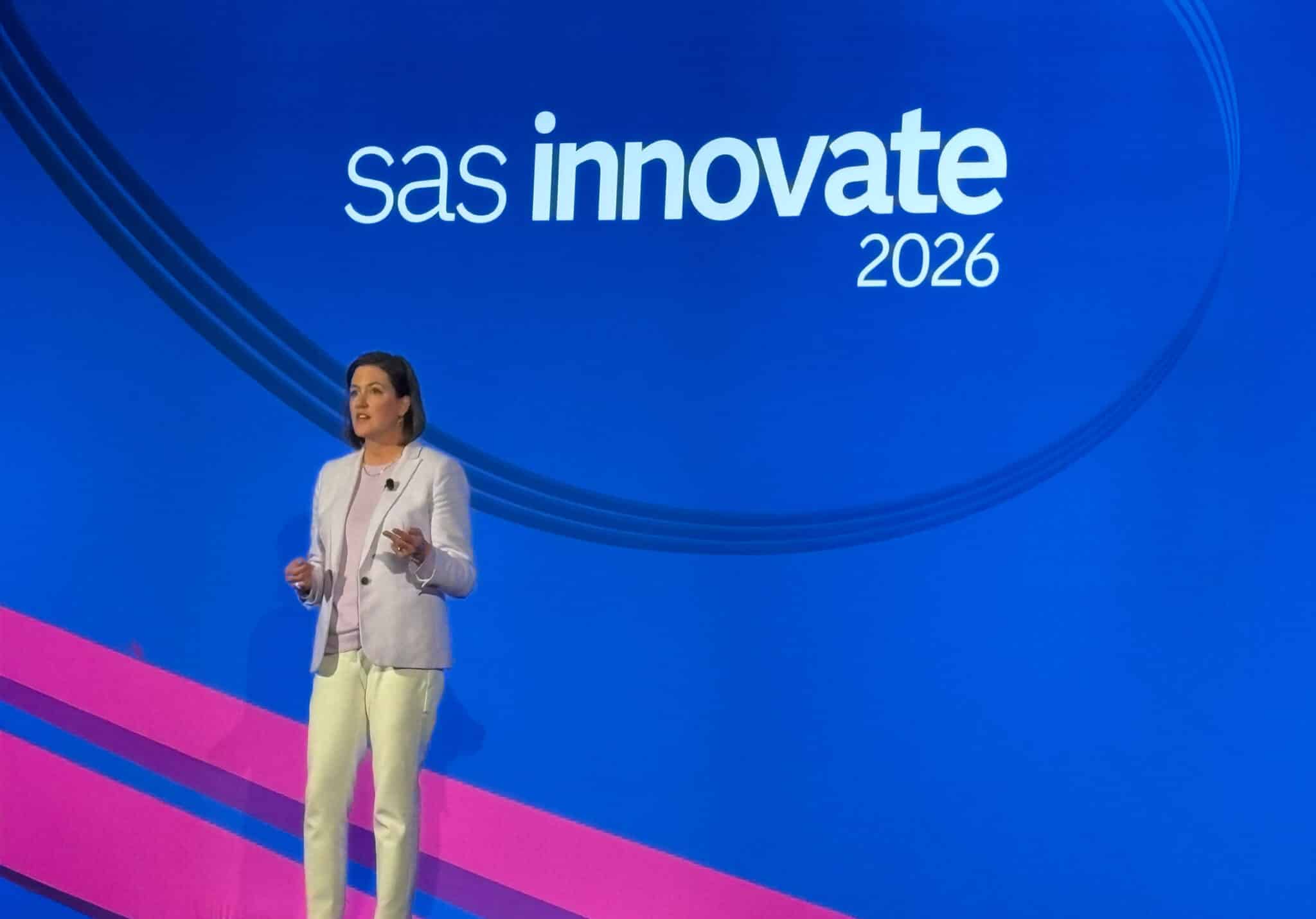
SAS has enhanced its data management capabilities as enterprises seek to expand artificial intelligence (AI) applications beyond pilot projects. The company identifies fragmented data environments as a significant barrier to AI adoption. The updates were announced during the SAS Innovate event in Dallas and are part of the refreshed SAS Viya data management portfolio.
The new features aim to assist organizations in preparing, governing, and activating data for analytics, automation, and AI, embedding lineage, transparency, and governance directly into data workflows. SAS Viya has become integral for marketing teams, helping them create personalized customer experiences, optimize campaign performance, and implement AI-driven decision-making at scale.
Alyssa Farrell, senior director of data and AI strategy at SAS, stated, “A modern data platform is now a mission-critical requirement as organisations move toward agentic AI workflows with less human oversight.” She emphasized that SAS is redefining data management for the AI era by optimizing modern data estates, reducing complexity, and unlocking AI value, with governance and trust built directly into the foundation.
Instead of requiring organizations to relocate or duplicate data across various systems, SAS promotes a “bring AI to the data” approach. This strategy allows analytics and AI models to operate where the data already resides, which the company argues reduces latency, lowers costs, and enhances governance by limiting unnecessary data movement.
SAS has introduced tools designed to enhance performance, including high-performance in-place analytics and cloud-native acceleration capabilities. These innovations help enterprises deploy AI closer to their data sources while ensuring auditability and control. Additionally, SAS is expanding support for AI agents and copilots that function within regulated data workflows, featuring tools for natural language data discovery, code assistance, and synthetic data generation.
The impact on marketing teams is substantial. Modern marketing systems heavily depend on large, distributed datasets for customer segmentation, personalization, and campaign optimization. Enhanced data quality, governance, and lineage can yield more accurate targeting, reliable AI-driven recommendations, and improved measurement of campaign performance.
Industry research cited by SAS indicates that inadequate data environments remain one of the most significant barriers to successful AI implementation. Analysts warn that a majority of AI initiatives falter due to insufficient AI-ready data and governance gaps. SAS asserts that the updated platform is designed to address these challenges by integrating governance as an inherent aspect of how data is accessed, prepared, and utilized across enterprise AI systems.
By tackling the complexities associated with data management, SAS aims to empower organizations to fully leverage AI technologies. As enterprises increasingly rely on AI-driven solutions, the need for robust data governance and management becomes ever more critical. This evolution could significantly shape the landscape of AI deployment and usage in various sectors, underscoring the importance of effective data practices in the drive toward innovation.
See also AI-Generated Content Risks Spike: 83% of Experts Cite Growing Brand Safety Concerns
 Adobe Acquires Semrush to Enhance AI-Driven Brand Discovery and Engagement Strategies
 Snapchat Launches AI Sponsored Snaps, Enabling Real-Time Brand Conversations in Chat
 AI Redefines Travel Market Dynamics as 20% of Bookings Projected via Intelligent Systems
 Meta Reports 33% Revenue Growth as AI-Driven Engagement Boosts Ad Conversion Rates