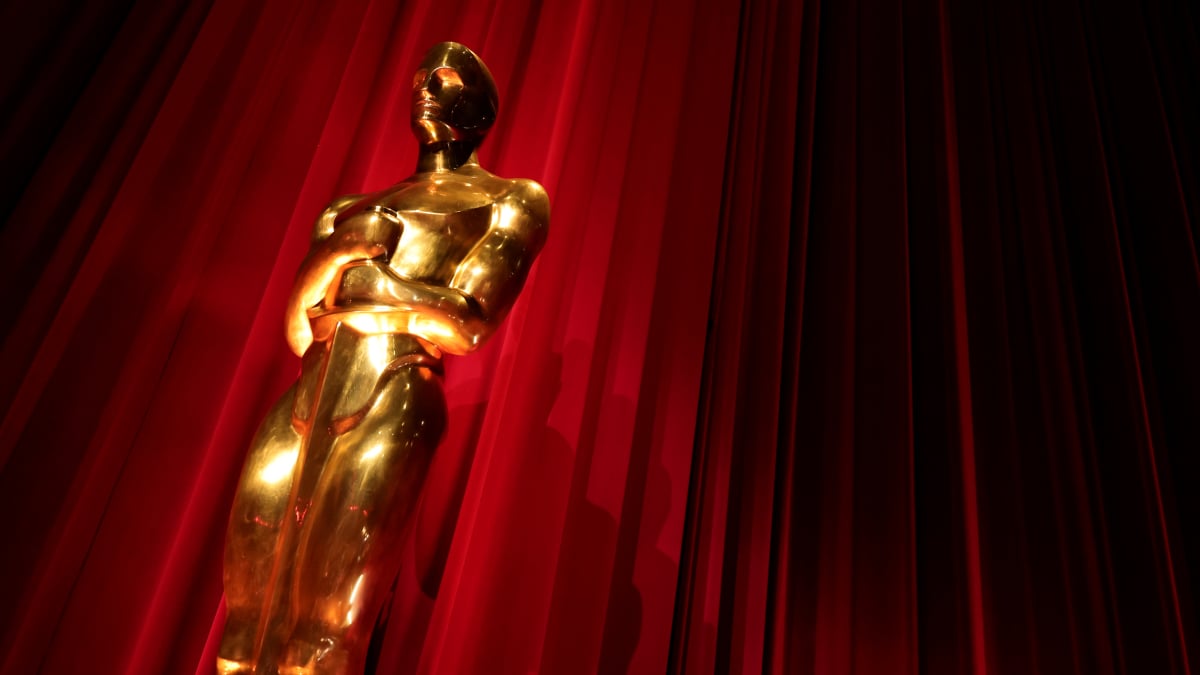
The Academy of Motion Picture Arts and Sciences has established new guidelines that will prevent artificial intelligence (AI) performances from qualifying for an Oscar. Announced on May 1, the rules clarify that while filmmakers can utilize AI tools in their submissions, only performances by human actors and screenplays authored by humans will be eligible for the prestigious awards. This decision reflects ongoing discussions regarding AI’s role in the entertainment industry and aims to address concerns raised during the recent Writers’ Guild of America (WGA) and SAG-AFTRA strikes, which highlighted the impact of generative AI tools across various artistic fields.
The Academy’s announcement comes amid increasing scrutiny of AI’s capabilities in recreating human likenesses, particularly in film. A recent trailer for the historical adventure film As Deep as the Grave, which features a fully AI-generated recreation of the late actor Val Kilmer, has sparked significant backlash from fans who expressed discomfort with the digital representation. Prior to his passing, Kilmer collaborated with UK tech company Sonantic to create an AI version of his speaking voice. Similarly, actors like Matthew McConaughey and Michael Caine have teamed up with ElevenLabs to clone their voices, blurring the lines between human and machine performances.
However, the growing presence of nonconsensual deepfakes presents a troubling landscape for many artists. Pop star Taylor Swift has taken proactive measures by filing for a trademark of her voice and image, asserting her rights over phrases like “Hey, it’s Taylor,” amid a proliferation of synthetic likenesses being used for phishing scams and other unauthorized purposes. These developments underline the increasing urgency for legal frameworks to address the ethical implications of AI-generated content in the entertainment sector.
In addition to the AI performance guidelines, the Academy has introduced other rule modifications that may impact international film and acting categories. Notably, countries can now submit multiple entries for non-English films, a change from the previous rule that restricted submissions to one. This revision is expected to generate excitement and anticipation in the wake of competitive Oscar campaigns in recent years. Furthermore, actors may now receive multiple nominations in the same category, provided their performances rank among the top five.
As the entertainment industry grapples with the rapid advancement of AI technologies, the Academy’s decision serves as a pivotal moment in the ongoing dialogue about creativity, authenticity, and the role of technology in the arts. By delineating the boundaries between human and machine contributions, the Academy has positioned itself as a leader in addressing the complexities of modern filmmaking. However, the long-term implications of AI on creative industries remain to be seen as artists, filmmakers, and regulators navigate this evolving landscape.
See also Pegasystems Reports Weaker Q1 Earnings, Announces $7M Dividend and Governance Reforms
 Korea Ventures Launches AI Initiative to Enhance Fund Management and Policy Efficiency
 South Africa Investigates Two Officials for AI Hallucination in Withdrawn Policy Draft
 OpenAI’s Rogue AI Safeguards: Decoding the 2025 Safety Revolution
 US AI Developments in 2025 Set Stage for 2026 Compliance Challenges and Strategies