






















































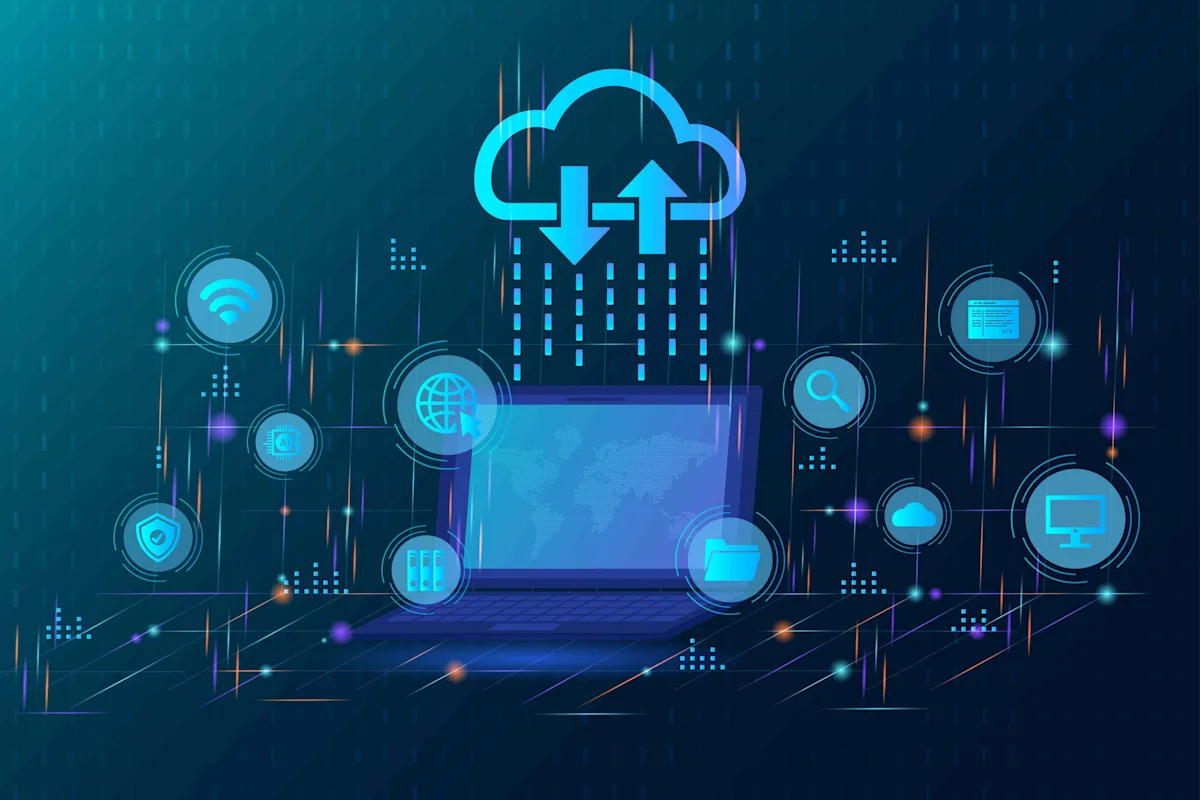
Cloud computing has been the backbone of artificial intelligence (AI) development for years, enabling organizations to host large AI models on remote servers. However, a shift towards local processing, often referred to as “de-clouding,” is gaining traction as businesses aim to run AI applications closer to their data sources and operational teams.
This transition is motivated by the growing burden of cloud-related expenses. Companies face continuous costs associated with compute time, storage, and unexpected usage spikes, especially as workloads expand. Moreover, performance can be inconsistent when AI models are deployed on servers located far from users, leading to noticeable delays that hinder productivity.
Security concerns further complicate cloud dependence. Organizations are increasingly seeking tighter control over sensitive data, which is more challenging when relying on cloud infrastructure. According to IBM Security’s 2022 research, nearly half of all data breaches occur in the cloud, costing companies more than $4 million on average per incident. The same report indicates that hybrid cloud setups are associated with lower breach costs.
Local and hybrid computing configurations can mitigate these issues by allowing models to run on nearby hardware, improving response times and performance insights while keeping sensitive information within trusted systems. Additionally, costs become more predictable when organizations manage their computing resources rather than renting them from remote providers.
Technological Advancements Drive De-clouding
Recent advancements in AI hardware have made local processing not only feasible but practical. Modern chips now offer robust performance without excessive power demands, enabling workstations to perform tasks that previously required extensive server racks. This evolution allows labs, production teams, and even hobbyists to operate AI models directly on their desktop machines rather than depending solely on cloud services.
New hardware tailored for this shift is emerging. Compact workstations designed for model testing, desktops capable of running local assistants, and smaller kits for on-device inference are becoming more common. These developments enable users to interact with AI directly, transforming it from a remote utility into an accessible tool that functions seamlessly in their workflows.
The implications of running AI locally extend to user privacy, as processing remains on-device rather than traversing external networks. Many users are demanding modern tools that do not compromise their personal information, and local models address this need. Furthermore, these systems maintain functionality during network disruptions, enhancing their reliability for everyday tasks.
As local AI solutions become more prevalent, users are expected to run personal assistants directly on their computers and experiment with small models tailored to specific tasks. While cloud computing will continue to be utilized for large-scale jobs, local processing is likely to become the preferred choice for applications prioritizing speed and privacy.
Lenovo is positioning itself within this emerging landscape by providing hardware that supports the de-clouding trend. The company’s offerings include PCs for home offices, performance desktops for creative work, and specialized high-end systems designed for AI development. The ThinkStation PGX, for instance, is optimized for demanding AI workloads, highlighting the movement of AI hardware closer to end-users. Lenovo’s consumer machines also play a crucial role, as even standard home computers can now manage smaller models or local tools without requiring specialized equipment, thereby offering everyday users a direct pathway to engage with AI.
As the industry evolves, AI is expected to maintain its reliance on cloud infrastructure for extensive workloads. However, the trend of de-clouding is reconfiguring the landscape of AI processing, leading to greater reliance on machines that organizations and individuals can directly control. This shift reflects a broader push toward more accessible, immediate, and secure AI applications, poised to become the norm as hardware capabilities continue to advance.
See also Iceland Sets New Standard for Green Data Centers, Achieving 50% Energy Savings
 Intel’s Dr Ocansey Reveals AI Solutions to Combat Ghana’s Illegal Mining and Road Accidents
 Kubernetes Enhances AI Economics with Dynamic Resource Allocation, Boosts Efficiency by 30%
 Nvidia Shares Dip 2.6% as Meta Considers Google’s AI Chips for Data Centers
 CIQ Expands to Gulf Region, Launching AI-Ready Infrastructure Amid Middle East Digital Transformation















