
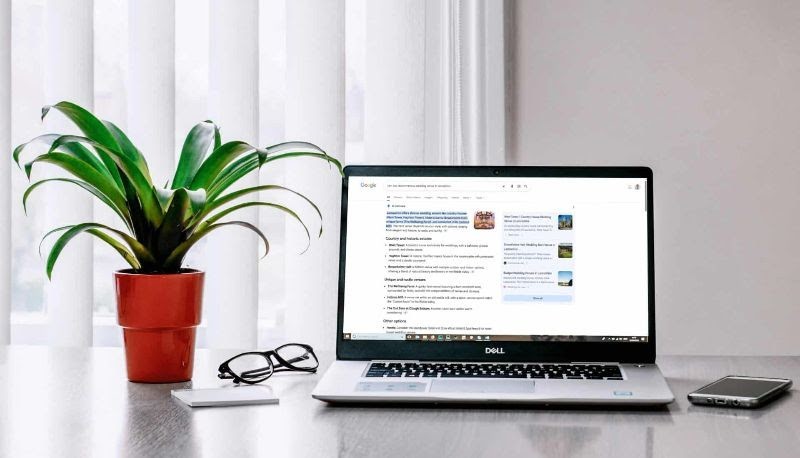
The rapid evolution of artificial intelligence (AI) capabilities is reshaping the way small and medium-sized enterprises (SMEs) engage with search engine optimization (SEO). With Google’s recent updates—AI Overviews and AI Mode—businesses are facing a new landscape in how information is discovered online. These changes may lead to decreased clicks and heightened competition for visibility, but they also offer SMEs the chance to present more valuable content and improve the discoverability of their offerings.
AI Overviews, which began rolling out in May 2024, are automatically generated summaries displayed at the top of Google search results. Rather than presenting users with a list of traditional blue links, Google synthesizes information from various sources, including websites, news articles, and videos, to deliver concise, conversational answers. While this feature enhances user convenience, it often results in what is known as a zero-click search, where users find the information they need directly in the summary, thereby bypassing website visits. Many industries have reported declines in organic website traffic as a consequence of AI Overviews.
Google’s AI Mode takes user interaction a step further. Accessible via a separate tab or directly at google.com/aimode, this feature resembles a chatbot more than a traditional search results page. Users can ask follow-up questions, upload images, or voice their queries. Powered by Google’s Gemini model, the AI retains context and provides increasingly detailed responses, keeping users engaged within Google’s ecosystem for extended periods.
The impact on SMEs has been significant, with even top-ranking pages experiencing lower click-through rates (CTR). A study by Ahrefs indicated that the average CTR for position one results dropped by as much as 34.5 percent when an AI Overview was present. Knowledge-driven sectors, such as consultancies, advertising agencies, and publishers, have been particularly affected, though local trades and ecommerce retailers are also feeling the effects. SEO experts caution that these trends may soon extend to these businesses as well.
Previously, proximity was a key factor in local search rankings. Now, AI Overviews prioritize content quality and authority, upending traditional SEO strategies. High-risk categories for AI replacement include cleaning services (65 percent AIO rate), personal injury lawyers (62 percent), and wedding photographers (62 percent). Currently, about 40 percent of local searches feature AI Overviews, with rankings increasingly reliant on relevance and reputation rather than geographical location alone.
In this new paradigm, visibility is determined not only by clicks but also by citation. When Google’s AI summarizes an answer, it sometimes references its sources, granting trust and recognition to the cited business, even if users do not click through immediately. Thus, brand reputation and authority have become as vital as raw traffic figures.
Adapting to the New AI Landscape
To navigate this shifting terrain, SMEs must take proactive steps. First, they should focus on developing credible and authoritative content. Google’s AI relies on trustworthy sources, so content must be well-structured, easy to summarize, and rich in substance. Businesses should demonstrate experience and expertise, publishing unique insights and data that AI systems can recognize as factual and authoritative.
Second, managing one’s AI presence is crucial. Google’s AI aggregates information from across the web, not merely from individual websites. Ensuring that relevant sources about a business are accurate enhances the likelihood of being cited by Google. Businesses should correct inaccuracies using Google’s feedback tools and strengthen their profiles on trusted platforms like LinkedIn and Wikipedia.
Third, SMEs ought to emphasize local and intent-based searches. AI Overviews are less prevalent in searches that include specific locations, suggesting that by targeting local queries and high-intent keywords, businesses can sidestep the limitations of AI Overviews. This could involve incorporating place names into SEO keywords or creating content that answers local-specific questions.
Lastly, optimizing for ChatGPT and other large language models (LLMs) can enhance visibility across multiple channels. Websites should clearly articulate business offerings and locations in simple language, making it easier for AI to process information. Creating content that directly answers common user queries can further bolster the chances of being included in AI-generated answers.
The emergence of AI-driven search is fundamentally altering online visibility protocols. While the long-term effects of Google’s updates are still unfolding, SMEs that adapt by enhancing their authority, managing their reputations, and diversifying traffic sources stand a better chance of thriving in this AI-centric search environment. Businesses must shift focus from merely increasing traffic to building a credible online presence, as those embracing these new technologies will be positioned to capitalize on the opportunities presented by Google Overviews and AI Mode.
See also Physical AI Market Expected to Surge to $61.19B by 2034 with 31.26% CAGR
 Sendbird Launches Delight.ai, Enhancing Customer Interactions with Long-Term Memory Integration
 Readymode Launches Agentforce AI Chat for 24/7 Customer Support Integration
 AI Marketing Market to Reach $82B by 2030 Amid Growing Challenges of Low-Quality Outputs
 AI Transforms SEO and Content Marketing: Boost Efficiency with New Automation Tools