






















































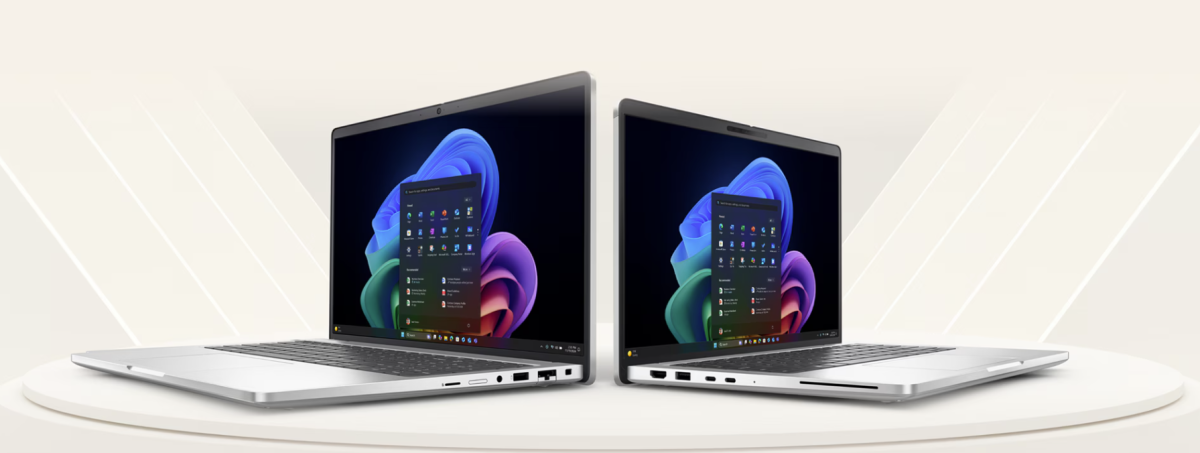
Despite expectations for a significant upgrade cycle driven by Artificial Intelligence (AI) capabilities, the adoption of AI PCs remains sluggish. Major manufacturers such as HP and Dell Technologies maintain a cautious optimism regarding this anticipated boom, which coincides with the impending end of support for Windows 10. A considerable number of outdated PCs are still in circulation, raising questions about the pace of upgrades.
During HP’s recent fourth quarter earnings call, CEO Enrique Lores acknowledged the challenges, revealing plans to cut between 4,000 and 6,000 jobs as part of a strategy aimed at achieving $1 billion in gross run rate savings over the next three years. The company aims to utilize AI to enhance productivity and has noted a doubling in revenue for AI PCs, although these devices account for roughly 30% of their total shipments.
Lores emphasized that customer readiness for forthcoming applications is a key driver behind the demand for AI PCs. “Customers want to be ready as soon as applications start taking advantage of the capabilities of these products,” he stated, indicating that HP is collaborating with clients to develop applications that exploit these advanced features. Additionally, he pointed out that Microsoft’s tools for managing PCs through voice commands could further stimulate demand.
HP is positioning itself as a pioneer in the AI PC market by internally deploying these technologies. Lores reported that this initiative has led to a productivity improvement of up to 17%. The company’s PC unit revenue rose by 8% year-over-year, with strong sales attributed to commercial and premium consumer devices. As of the end of Q4, 40% of HP’s installed base remained on Windows 10, suggesting that the transition to Windows 11 will continue to support market growth into 2026. AI PCs now represent 30% of the company’s shipments, indicating a gradual shift in consumer expectations.
Lores reinforced his confidence in the AI PC segment, stating, “We have not changed our view on the impact that AI PCs are going to have and current results support the assumptions that we have seen.” He believes that within three years, AI PCs could represent between 40% and 60% of HP’s product mix, contributing a 5% to 10% impact on the overall PC category.
Similar sentiments are echoed by Dell Technologies, where the focus remains primarily on commercial PCs. During a recent earnings call, COO Jeff Clarke noted that the transition to Windows 11 is still incomplete. He highlighted that approximately 1.5 billion PCs are installed globally, with about 500 million capable of running Windows 11 yet to be upgraded. An additional 500 million units are four years old and unable to support the new operating system, presenting substantial upgrade opportunities.
Clarke also pointed to the potential of AI PCs and small language models to drive market evolution. He stated, “The PC market will continue to flourish going forward,” while tempering expectations with a forecast of flat growth compared to the previous year. In November 2024, he observed a trend of customers preparing to acquire new AI PCs in the first half of 2025, suggesting that enterprises are following a normal upgrade cycle. However, he cautioned that there is no immediate surge in consumer demand.
Lenovo reports a similar dynamic, with AI PCs constituting 33% of their shipments, slightly ahead of HP’s figures. Executive VP & President of Lenovo’s Intelligent Devices Group, Luca Rossi, expressed enthusiasm about the upcoming “AI native device era,” signaling a collective anticipation among vendors for the long-awaited AI transformation in the PC market.
Despite the optimistic outlook from industry leaders, consumer sentiment remains lukewarm. The notion of upgrading to an AI PC is met with skepticism, as many users question the value of such devices in the absence of compelling applications that leverage their capabilities. Economic concerns further complicate the decision-making process for potential buyers. The lack of a “killer app” for AI PCs, combined with the already available functionalities of existing computers, contributes to a slow upgrade cycle.
As the tech landscape continues to evolve, the industry watches closely for signals that may indicate a shift in consumer attitudes. The anticipated alignment of applications and AI PC capabilities may eventually catalyze a more robust upgrade cycle, but for now, the market remains in a state of cautious anticipation.
For more information on HP, visit HP’s official website. To learn more about Dell’s offerings, visit Dell Technologies. For insights on Lenovo’s products, check Lenovo’s official site.
See also Young Innovators Reject Elon Musk’s $Multimillion Offer to Advance AI with Hierarchical Reasoning Model
 ChatGPT-5 Fails to Identify Risky Behavior in Mental Health Interactions, Psychologists Warn
 Wall Street Giants Forecast India Market Surge by 2026 as AI Stocks Decline
 Dassault Systèmes and Mistral AI Launch Sovereign AI Services on OUTSCALE Cloud
 AI-Driven Adult Content Market Surges to $2.5B as Tech Disrupts Traditional Porn Industry















