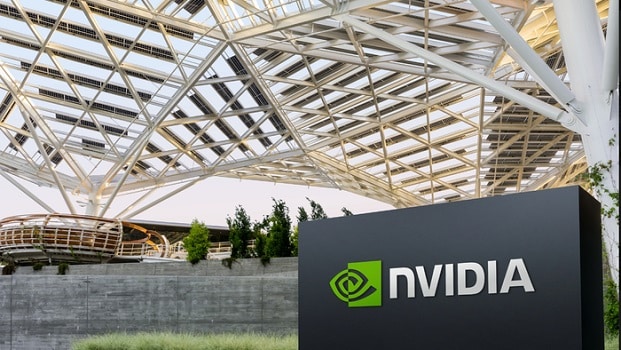
Nvidia and Mistral AI have formalized a strategic partnership aimed at accelerating the development of open-source language models. Announced recently, this collaboration seeks to enhance the capabilities of the new Mistral 3 models by integrating them into Nvidia’s extensive hardware and software ecosystem, signifying a significant advance in the open-source AI landscape.
This partnership builds on earlier efforts between the two companies, most notably the development of the Mistral NeMo 12B model, designed primarily for chatbot and coding applications. The current focus is on deploying and optimizing the Mistral 3 model family, which introduces multimodal and multilingual functionalities. These capabilities allow for flexible deployment across various platforms, from cloud servers to edge devices, including Nvidia RTX-powered PCs and Nvidia Jetson platforms.
As part of the agreement, Nvidia will embed Mistral models into its AI inference toolkit, promising substantial performance enhancements. This optimization will leverage technologies such as TensorRT-LLM, SGLang, and vLLM, in addition to the NeMo framework, which supports enterprise-grade customization. By committing its full inference stack to the Mistral open-source ecosystem, Nvidia aims to position these models as competitive alternatives to proprietary solutions in terms of speed, efficiency, and scalability.
The overarching goal of this partnership is to foster the growth and wider adoption of open-source LLMs across Nvidia’s ecosystem. With increasing demand for AI solutions that are both powerful and accessible, the collaboration is expected to attract developers and enterprises looking for alternatives to traditional, proprietary systems.
As the landscape of artificial intelligence evolves, the integration of Mistral’s models with Nvidia’s technology underscores the industry’s shift toward open-source frameworks. This development could potentially democratize access to advanced AI capabilities, allowing a broader range of developers and organizations to innovate without the constraints often associated with proprietary technologies.
The partnership is part of a growing trend within the tech industry where companies are increasingly recognizing the value of collaboration in the AI space. As open-source solutions become more prevalent, they are likely to challenge established players that have long dominated the market with closed systems. Nvidia’s advance into this area indicates not only a strategic shift for the company but also a significant moment for the future of open-source AI development.
See also UMass Dartmouth Unveils LLM-Driven Framework Achieving 97.5% Accuracy in Robot Code Generation
 Amazon Launches Nova Forge Generative AI Model for Custom Data Integration
 Nano Banana Pro Launches Free AI Tool for High-Quality Health Education Visuals
 123RF Launches AI-Powered Video Comprehension on AWS, Doubles Descriptor Accuracy
 OpenAI Launches GPT-5.1 with Enhanced Features and 800 Million Weekly Users