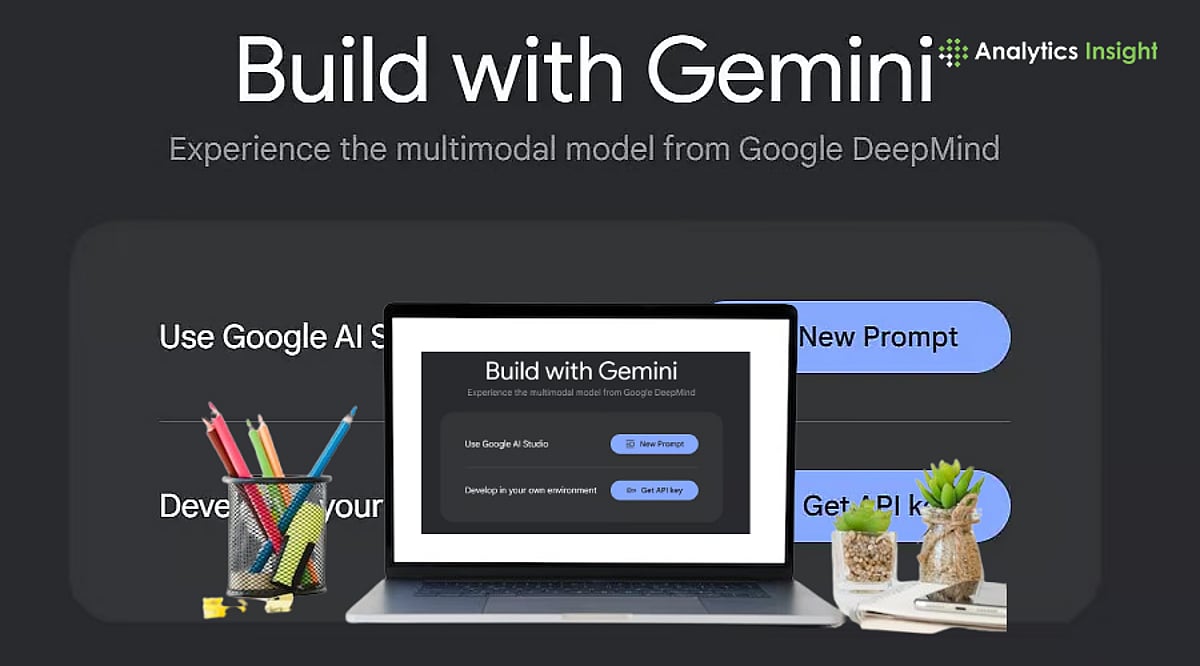
Gemini has introduced a significant advancement in its capabilities through the use of “multimodal input,” allowing users to interpret text and images in tandem. This integrated approach enhances clarity in analysis, providing stronger explanations and more accurate outputs. By processing both types of data simultaneously, Gemini aims to elevate user experience across various applications.
The system supports a range of image formats, including PNG, JPG, JPEG, and WebP, ensuring compatibility across its multiple interfaces. Users can access Gemini through web, mobile, and API workflows without worrying about format limitations, streamlining the process of integrating visual data.
Uploading images to Gemini is straightforward. Users can click an upload icon, select a file from their device, or utilize drag-and-drop features to insert images into the prompt area. For mobile applications, options extend to selecting images from the gallery or capturing new ones with the camera. This flexibility is designed to accommodate diverse user needs, particularly in environments where rapid input is crucial.
However, simply uploading an image is not enough. Users must provide clear written instructions following the image upload to guide the model’s output. It has been observed that the system performs optimally when users define the task, focus, and desired output format within the prompt. This requirement highlights the importance of user engagement in maximizing Gemini’s potential.
The multimodal workflow proves especially beneficial for technical tasks. It supports various applications such as Optical Character Recognition (OCR), data extraction, interpretation of mathematical problems, code transcription, user interface review, diagram analysis, and document summarization. This versatility positions Gemini as a valuable tool across numerous sectors, including education, tech development, and data analysis.
As the AI landscape continues to evolve, Gemini’s multimodal capabilities represent an important step in the integration of visual and textual data processing. The ability to efficiently analyze and synthesize information from different formats opens new pathways for innovation. With companies increasingly relying on data-driven insights, Gemini’s approach could significantly impact how businesses leverage technology to optimize operations and enhance decision-making.
Looking ahead, as Gemini refines its technology and expands its features, the demand for multimodal systems may rise. The seamless interaction between text and images could redefine workflows in both established and emerging industries. As organizations strive for greater efficiency and accuracy, Gemini’s capabilities may not only set a standard but also inspire further advancements in AI technologies.
See also OpenAI’s Sam Altman Issues ‘Code Red’ as Google’s Gemini 3 Tops AI LLM Rankings
 Anthropic’s Claude Opus 4.5 Surpasses GPT-5.1 and Gemini with Advanced Coding Skills
 Halfaccess.org Reveals AI Trends Reshaping Digital Content Creation Industry by 2026
 SenseTime Launches NEO, First Native Multimodal Architecture, Outperforming Top Models
 AI Advances May Create Major Labor Shortage as Skills Gap Worsens Among Graduates