






















































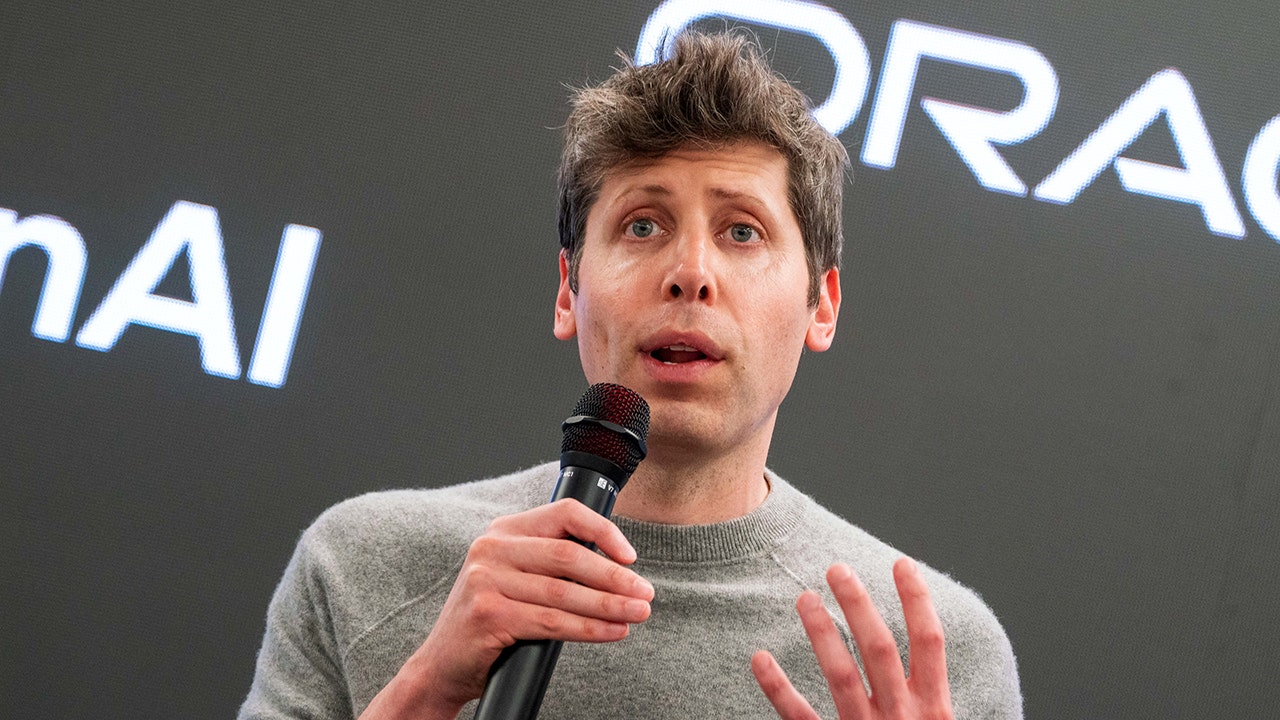
OpenAI CEO Sam Altman has declared a “code red” within the organization as part of an urgent initiative to enhance the quality of ChatGPT, according to an internal memo reported by The Wall Street Journal. This announcement comes amid growing concerns regarding the AI’s performance and the competitive landscape in which OpenAI operates. Altman’s decision to prioritize ChatGPT’s development has also led to the postponement of other product releases, underscoring the company’s commitment to maintaining its status as a leader in the rapidly evolving field of artificial intelligence.
As AI technology continues to progress, it also brings new cybersecurity challenges. Recent incidents involving Chinese hackers have showcased the potential for AI tools to be weaponized, transforming them into automated attack mechanisms. This development highlights the necessity for enhanced security measures as the threat landscape shifts with the adoption of advanced AI technologies.
In a different sector of the AI landscape, First Lady Melania Trump has announced the release of a Spanish-language edition of the audiobook version of her memoir. The project utilizes AI audio technology to reach a wider audience, emphasizing the growing intersection of AI and the media industry. The initiative shows how AI is being leveraged to bridge language gaps, allowing stories to resonate across different cultural contexts.
Meanwhile, FoloToy has temporarily halted sales of its AI-driven teddy bear, Kumma, after safety concerns were raised. A testing group discovered that the toy provided inappropriate responses, prompting the company to conduct a thorough review. Following a week of scrutiny, FoloToy has resumed sales, claiming that it has implemented new safeguards to ensure the toy is safe for children.
In a recent interview, Elon Musk articulated his belief that robotics powered by AI are essential for addressing the United States’ substantial national debt, which exceeds $38 trillion. Musk’s comments reflect a broader conversation about the role of AI in enhancing productivity and economic output, suggesting that technological advancements could hold the key to solving pressing financial issues.
Meta Platforms Inc., under the leadership of CEO Mark Zuckerberg, is reportedly shifting its focus away from ambitious metaverse projects to concentrate on developing AI-powered glasses and wearable technologies. This pivot indicates a strategic realignment aimed at capitalizing on more immediate opportunities within the AI market, potentially positioning Meta as a key player in the emerging field of smart eyewear.
In a demonstration that captivated audiences, Xpeng unveiled its Next Gen Iron humanoid robot, which displayed such lifelike movements that many spectators initially mistook it for a human actor in costume. The robot’s fluidity of motion elicited widespread amazement online, revealing a growing fascination with humanoid robotics and the advancements that make them appear nearly indistinguishable from real people.
The ongoing discussions around regulatory measures in the tech industry have intensified, particularly in light of recent legislative developments. Following a significant defeat in the Senate earlier this year, major tech companies are reportedly working to incorporate favorable provisions into essential legislation, including the National Defense Authorization Act. This has raised concerns about the influence of corporate interests on policy-making, especially in relation to AI regulations.
Looking to the future, Sam Altman is reportedly exploring the possibility of building, funding, or acquiring a rocket company to enter the space race, possibly in competition with Elon Musk. This venture signifies OpenAI’s ambitions to diversify its operations and extend its technological expertise beyond AI into aerospace, hinting at a multifaceted approach to innovation.
As the AI landscape continues to evolve, the implications of these developments are significant, affecting various sectors from cybersecurity to entertainment and even space exploration. The intersection of AI with everyday life raises both exciting opportunities and challenges that stakeholders across industries must navigate in the coming years.
See also Google Launches Ironwood TPU, Challenging Nvidia’s 90% AI Chip Market Dominance
 Yoodli Triples Valuation to $300M with $40M Series B Focusing on Human-Centric AI
 Jet.AI and Convergence Compute Announce 350-Acre Data Center Near Winnipeg to Boost AI Capacity
 Meta Acquires AI Wearables Startup Limitless, Phases Out Hardware Sales Immediately
 Perk Practical Combines Data Engineering and Automation for Measurable Marketing Growth














