






















































The travel industry is undergoing a significant transformation as AI-powered apps and smart gadgets redefine how individuals navigate their journeys. As of December 8, 2025, travel is now driven by technology that enhances both safety and comfort, moving beyond traditional logistics like flight bookings and hotel reservations. Artificial intelligence is becoming integral to each phase of travel, aiding in everything from planning to execution, and offering tailored experiences that reflect individual preferences.
Today’s travel planning is characterized by the use of AI apps that streamline the booking process, eliminating the need for tedious comparisons. These applications manage flight bookings, hotel reservations, and even customize local experiences, providing personalized travel recommendations based on user preferences and real-time factors such as weather and local events. AI chatbots and virtual assistants are now commonplace, offering immediate support for booking changes and emergency assistance. The advent of AI-based translation apps further facilitates smoother international communication, breaking down language barriers and enhancing the travel experience.
In parallel with these AI applications, smart gadgets play a crucial role in improving comfort and security during travel. Essential items such as noise-cancelling headphones, portable chargers, and wearable fitness trackers help travelers maintain their routine even during long journeys. The emergence of smart luggage has also transformed the landscape; trackable suitcases equipped with GPS technology ensure lost luggage is becoming a rarity. This innovation instills confidence in travelers who prioritize the security of their belongings.
Additionally, the rise of portable Wi-Fi hotspots enables connectivity in remote areas, allowing travelers to access fast internet even in locations with poor cellular coverage. This is particularly beneficial for remote workers, solo travelers, and adventurers who need to stay in touch with work or family while exploring new destinations.
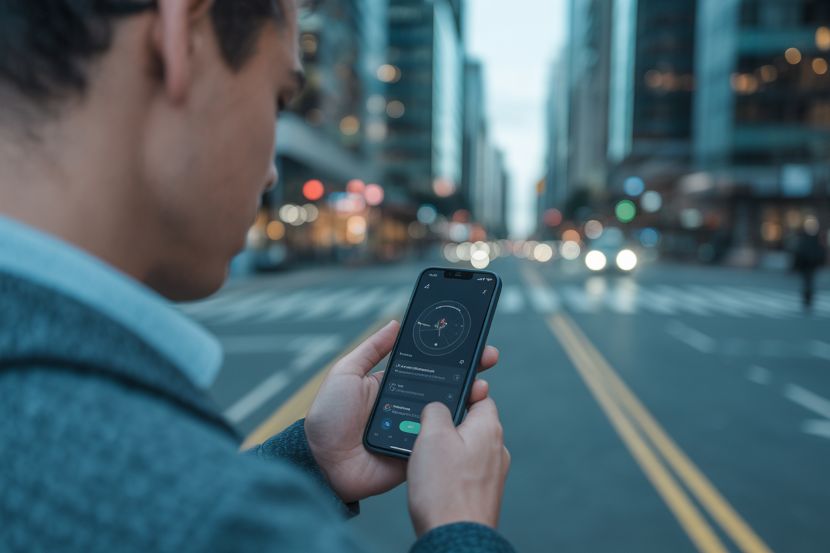
AI-enhanced navigation apps are reshaping how travelers find their way in new locales. Providing turn-by-turn guidance, real-time traffic updates, and alternative routes, these applications reduce the stress of navigating unfamiliar environments. The integration of AI with augmented reality (AR) brings an immersive element to navigation, helping users follow directions more intuitively and discover hidden local gems that enrich their travel experience. Furthermore, these apps can cater to specific needs, such as offering routes suitable for individuals with mobility challenges.
As safety remains a top priority for travelers, digital safety apps are stepping up to offer real-time alerts, emergency contacts, and local security updates. By monitoring critical factors such as weather conditions, flight statuses, and traffic patterns, these apps keep users informed and prepared for unexpected developments. Timely notifications regarding natural disasters or emergency situations empower travelers to take immediate action when necessary. The adoption of digital wallets and secure payment systems has also streamlined financial transactions, reducing the need to carry cash and minimizing the risk of theft.
The focus of contemporary travel technology is on personalizing experiences to suit individual needs. AI systems now analyze past behaviors and real-time data to suggest destinations, dining options, and activities that align with user preferences. For instance, co-working lounges within hostels and homestays cater to the needs of digital nomads, blending work and leisure seamlessly. This trend reflects the increasing demand for flexibility in travel, a crucial consideration for today’s modern explorers.
As the landscape of travel continues to evolve with the integration of AI-driven apps and smart gadgets, travelers are gaining unprecedented control over their experiences. These technologies not only enhance convenience and efficiency but also enrich the overall journey, enabling travelers to create lasting memories. The future of travel promises to be more personalized, secure, and enjoyable, ensuring that every trip is a unique adventure.
For more information on the latest advancements in travel technology, visit Travel and Tour World.
See also Nvidia Invests $6.3B in CoreWeave: A Must-Buy AI Stock for 2026
 Korean and Japanese Business Lobbies Forge AI, Semiconductor Alliance Amid Population Crisis
 70% of Creative Professionals Fear AI Stigma, Anthropic Study Reveals
 AI and Machine Learning Set to Transform India’s Power Distribution Networks, Says Khattar
 AI Bubble Risks Emerge as Tech Giants Invest Trillions Without Profitable Returns















