Microsoft Research has outlined transformative advancements in artificial intelligence (AI) expected to shape the landscape in 2026. Researchers anticipate a paradigm shift where AI evolves from simple assistance to becoming integral partners in scientific discovery, economic transactions, and daily communication. The evolution of AI, as highlighted by various leaders within the organization, reflects a concerted effort to redefine the relationship between humans and technology.
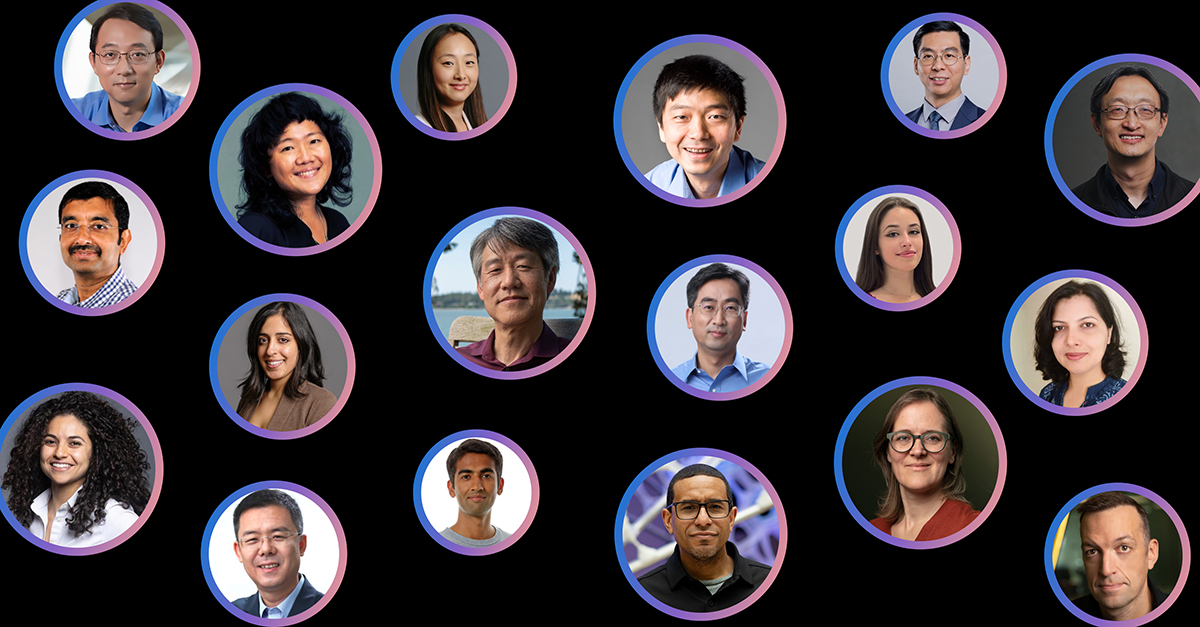
Peter Lee, President of Microsoft Research, emphasized that AI’s role in scientific environments will expand significantly. In 2026, AI is expected not only to assist researchers by analyzing data but also to generate hypotheses and even conduct experiments autonomously. This evolution aims to create a scenario where every scientist has access to an AI lab assistant, thereby accelerating the pace of scientific breakthroughs across fields like climate modeling and molecular dynamics.
Saleema Amershi, Partner Research Manager at Microsoft Research, introduced the concept of autonomous AI agents that will revolutionize digital economies. As these agents move from being isolated tools to active participants, they are poised to streamline transactions and negotiations. Amershi noted that this transformation would necessitate a rethinking of digital market structures, enabling direct negotiations that could reduce inefficiencies and foster inclusivity.
In healthcare, advancements in AI promise to decode complex biological languages, enabling personalized medicine. Ava Amini, Principal Researcher at Microsoft Health Futures, pointed out that generative AI models can create novel biomolecules and predict cellular behaviors, potentially accelerating drug discovery and offering new therapeutic options. She highlighted the ongoing commitment to harness massive datasets to enhance clinical outcomes and healthcare accessibility.
The infrastructure supporting AI is also set for a major overhaul, as described by Hitesh Ballani, Partner Research Manager at Microsoft Research Cambridge. The introduction of light-based chips and robotics-enabled data centers will redefine operational efficiency, making AI systems faster and more sustainable. Ballani noted that these innovations are essential to meet the surging demands for computational power.
As AI continues to scale, it is anticipated to integrate more seamlessly into everyday life, facilitating communication in ways that align better with human thinking. Yan Lu, Assistant Managing Director of Microsoft Research Asia, stated that emerging “agentic media” could transform static forms of content into dynamic, interactive experiences that evolve with audience engagement.
Moreover, as AI systems become more sophisticated, the focus is shifting toward enhancing their capacity for reasoning and interaction. Jianfeng Gao, Distinguished Scientist at Microsoft Research, explained that the development of AI models that can simulate environments and understand human mental states will lead to better collaboration between humans and machines.
In a forward-looking statement, several researchers emphasized the importance of incorporating psychological well-being into AI design. Jina Suh, Principal Researcher at Microsoft Research, advocated for multidimensional psychological stewardship, aiming to ensure that AI fosters resilience and trust while mitigating the risks of dependency and social fragmentation.
As these shifts unfold, the vision for AI transcends mere operational efficiency. Xing Xie, Assistant Managing Director of Microsoft Research Asia, pointed out that future AI systems will act as trusted companions, capable of understanding human values and preferences, thereby enhancing collaborative relationships. This evolution aims to create AI that not only augments human agency but also addresses societal inequalities.
Looking ahead, the implications of these advancements are vast. They suggest a future where AI not only empowers individuals but also transforms industries, reshaping how people communicate, conduct business, and engage with the world around them. The integration of AI into diverse sectors represents not only a technological revolution but also a cultural shift in how humans interact with their machines.
See also SHS Student Solvieg Anderson Presents ML Research on Early Cognitive Decline Detection at ASHA 2025
 UCL Launches PhD and Research Role in AI for Ophthalmology Education
 Pistoia Alliance Reveals 27% of Life Scientists Unaware of AI Data Sources in R&D
 AI Models Mirror Human Networking Habits, Study Reveals Key Social Dynamics
 Cashew Research Launches AI-Driven Market Insights for $90B Industry