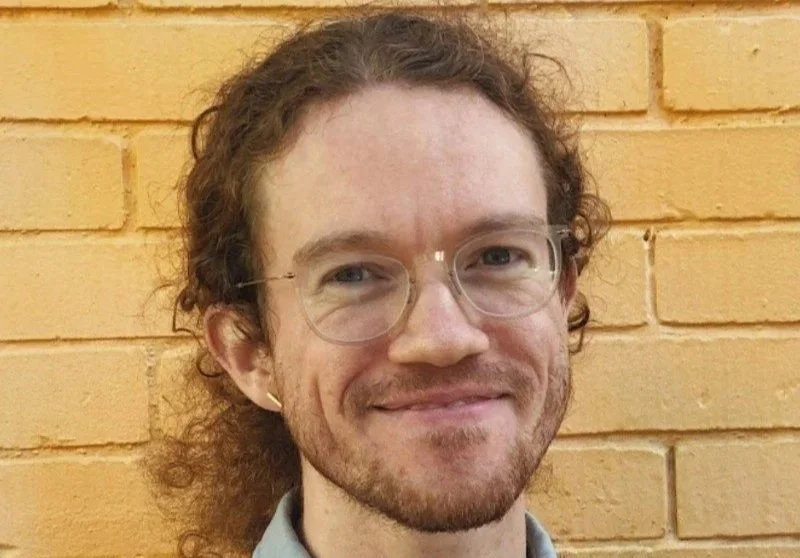
Brandon Amos, a prominent researcher in Meta’s Fundamental AI Research (FAIR) group, has announced his departure from the company to join Reflection AI in New York. In a post on LinkedIn, Amos reflected on his six-plus years at Meta and outlined his reasons for transitioning to a startup environment focused on developing open foundation models.
Reflection AI specializes in pre-training and post-training pipelines, with an emphasis on advancing reinforcement learning approaches at scale. The company aims to create open intelligence systems that are accessible and interrogable, and its team includes experts from leading organizations such as DeepMind, OpenAI, and Anthropic.
Amos began his career at Meta as a research scientist shortly after completing his PhD, and he expressed gratitude for the collaborative work he experienced in the FAIR lab. He stated, “I am grateful for everything we have shared and proud of everything we created together.” This sentiment underscores the significance of his formative years at Meta, where he developed an early research foundation.
At Reflection AI, Amos intends to focus on post-training and reinforcement learning pipelines, which are critical for the company’s next stage of model development. This move places him within Reflection AI’s core technical team, aligning with the company’s mission to push the boundaries of AI research and deployment.
In his announcement, Amos linked his transition to a desire to contribute to future large-scale systems in a dynamic startup environment. He emphasized the importance of safety, openness, and accessibility in the development of superintelligent systems. “Superintelligence will be one of the most significant advancements of our lifetimes, resulting in a computational reflection of ourselves. We believe it should be safe, open, and accessible to all,” he noted. His enthusiasm for working on the next generation of AI capabilities is evident as he embarks on this new chapter.
Reflection AI’s commitment to maintaining a transparent and collaborative approach to AI development is increasingly significant in a landscape where concerns over the ethical implications of artificial intelligence continue to grow. As the industry evolves, the contributions of researchers like Amos will play a pivotal role in shaping the future of AI technologies.
Amos’s move reflects a broader trend in the tech sector, where seasoned professionals are increasingly drawn to the innovative, agile environments of startups. With advancements in AI driven by both established companies and newcomers, the pursuit of groundbreaking research and applications remains at the forefront of the tech industry.
As Amos joins Reflection AI in its ambitious mission, the implications of his work could resonate across the industry. His focus on reinforcement learning and model development aligns with the ongoing efforts to create systems that not only advance technological capabilities but also prioritize ethical considerations. The future of AI promises to be shaped significantly by such endeavors, pointing toward a landscape where innovation and responsibility go hand in hand.
See also BoodleBox Secures $5 Million to Enhance AI Collaboration Across 1,200+ Institutions
 UK Copyright Laws Risk AI Innovation, Hinder Vaccine Development Efficiency
 Uolo Secures $7M Funding to Enhance AI Learning for 1.1M Students in K–12 Schools
 Instructure Launches IgniteAI with Key Updates for Canvas, Enhancing Data Privacy and Educator Support
 White House Hosts Third AI Education Task Force Meeting to Boost K-12 AI Literacy