Nvidia is developing a new software component aimed at providing insights into the geographical locations where its AI chips are deployed. This initiative is part of the company’s strategy to mitigate the risks associated with its chips potentially reaching countries under export restrictions through indirect routes. The news was first reported by Reuters, highlighting Nvidia’s proactive stance amidst growing political pressures.
The software, still in its nascent stages and not yet broadly available, has been demonstrated to selected parties. It is designed to operate atop the existing security features of Nvidia’s GPUs, including confidential computing capabilities. This approach allows for the processing and management of information within the chip while safeguarding sensitive data from exposure.
Data centers have long utilized software to monitor the performance and availability of extensive numbers of GPUs. Nvidia seeks to expand this principle by incorporating signals derived from network traffic. By analyzing communications between GPUs and Nvidia’s infrastructure, the company aims to create a global indication of the hardware’s location.
Nvidia asserts that the software will furnish administrators with enhanced insights into the status and configuration of their AI infrastructure. The agent that operates on customer premises collects telemetry data from GPUs, aiding in the identification of technical and operational anomalies. This positioning frames the technology as a management tool, rather than merely an enforcement mechanism.
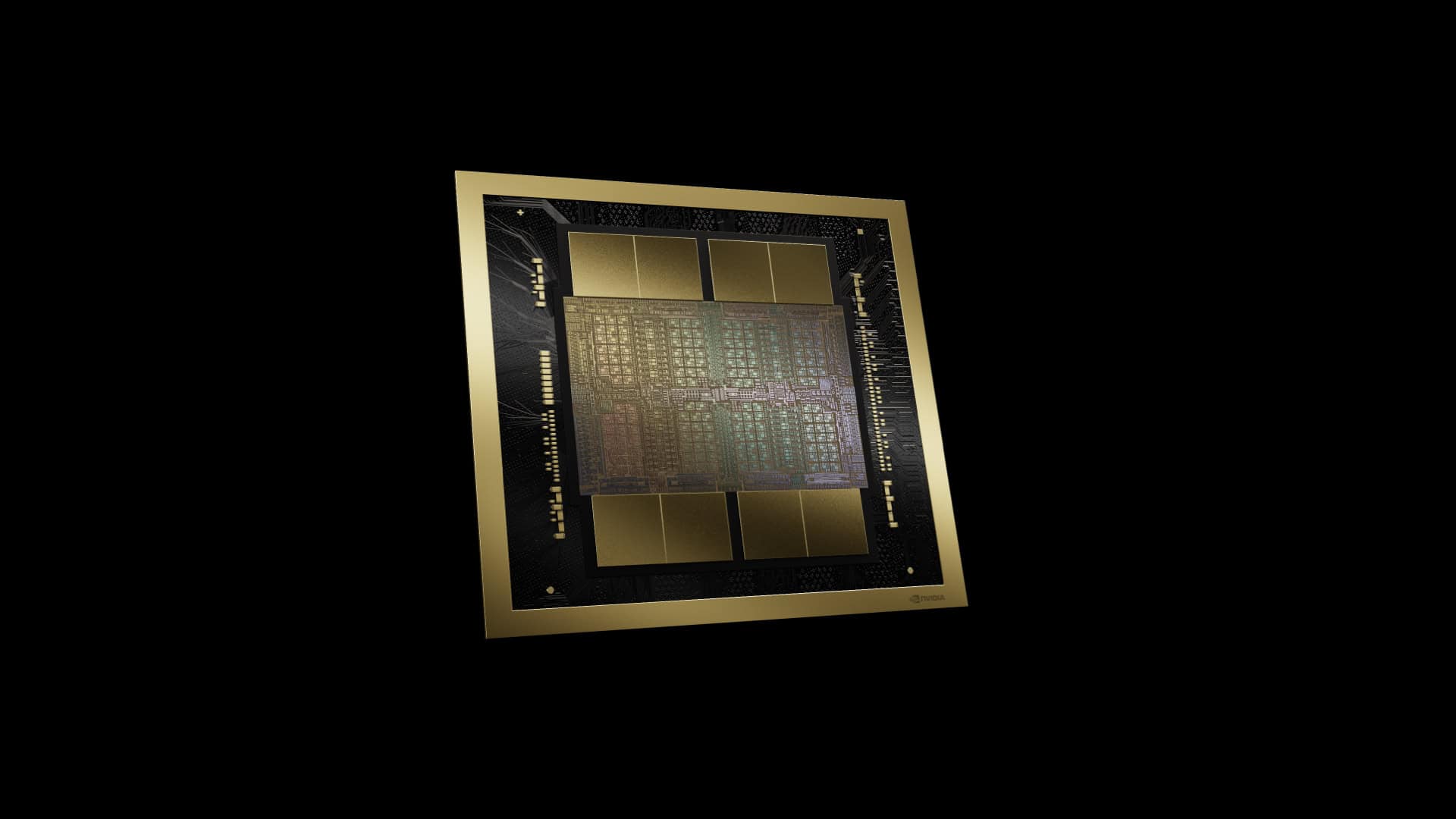
The first implementation of this software is slated for the upcoming Blackwell architecture, which boasts enhanced security features, particularly around attestation. This allows for the verification that both hardware and software are in a trusted state. Nvidia is also exploring whether similar capabilities can be integrated into prior generations, such as Hopper and Ampere, although no commitments have been made to that effect.
This development unfolds within a broader context of escalating political pressure from Washington, where US policymakers are advocating for stricter measures to prevent advanced AI chips from being acquired by China or other nations facing export restrictions. This geopolitical landscape has intensified scrutiny around the use of Nvidia’s technology.
In China, the concept of location control is breeding skepticism among regulators, who are concerned that such technology could serve as a covert means of control by the United States. In response, Nvidia emphasizes that the new software does not include backdoors and is not intended for remote manipulation of systems. Security experts have noted that it is technically feasible to merge global location indication with robust security and privacy protections, although the specifics of implementation remain unclear.
The timeline for broader availability of this software remains uncertain, as Nvidia continues to navigate the complexities of regulatory environments and technological advancements. As the landscape of AI technology evolves, the implications of such monitoring capabilities could significantly influence global supply chains and international relations surrounding advanced technologies.
See also Alibaba Launches Qwen Consumer Business Group to Accelerate AI Adoption with 10M Downloads
 AI Revolutionizes HR: Major Firms Automate 40% of Processes, Boost Efficiency
 AI-Enabled Cyber Operations Raise Legal Complexities, Warns Military Symposium Experts
 China Approves Cambricon and Huawei as AI Hardware Suppliers, Excludes Nvidia
 Oracle Shares Drop 10% After Revenue Miss, AI Growth Fails to Soothe Investor Fears