























































In a landscape rapidly evolving under the influence of artificial intelligence, a new economy is emerging. Dubbed the “Do it for me” economy, or Dofm, by a recent report from Citi, this phenomenon highlights how AI is set to transform not just consumption and production, but also the very fabric of daily life and work in America.
Generative artificial intelligence has gained remarkable traction over the past two years, with tools like ChatGPT, Gemini, and Perplexity leading the charge. As we stand on the brink of a more advanced generation of AI—characterized by the emergence of AI agents—these systems promise increased efficiency and speed. AI agents are sophisticated tools that can interpret complex inputs, reason deeply, make decisions, and pursue goals on behalf of users. They mimic human action, specializing in specific tasks, thus representing a significant evolution from generative AI.
The impact of this technological evolution extends beyond mere efficiency gains. It poses profound implications for human behavior and psychology, as American pragmatists refer to it as the “do it on my own” economy, while Europeans, with a more philosophical bent, label it the “economy of laziness.” This shift in terminology underscores differing cultural approaches to the conveniences and challenges brought by technological advancements.
Economy of Laziness
The internet, coupled with mobile access, has already instilled in users the belief that everything is readily accessible at their fingertips. In the era of smartphones, activities that once required physical effort—such as making phone calls—have transformed into passive experiences. Today, people engage in watching videos, shopping, and social interaction with minimal physical movement. This convenience has changed not only our habits but also our mental frameworks; when access to these services is interrupted, many experience significant discomfort.
This cultural shift has also led to a gradual loss of fundamental skills, including cooking, navigating, and engaging in face-to-face conversations. The immediacy culture has redefined how we think and behave, compelling individuals to seek instant gratification and immediate solutions. In this context, AI agents mark a significant leap forward. Instead of merely facilitating online purchases, these intelligent tools are designed to provide comprehensive solutions to users’ problems, tailoring options based on individual needs, preferences, and financial circumstances.
The implications of AI agents extend far beyond shopping. Platforms like Amazon have already begun experimenting with features such as “Buy for me,” but the potential applications are limitless. In the near future, users could rely on AI agents for a wide range of tasks, from financial management and savings to business strategy and personal recommendations, effectively outsourcing critical decision-making processes to these advanced systems.
The evolution of AI agents raises important questions about autonomy and human agency in an increasingly automated world. As these tools become integral to our daily lives, the line between convenience and dependency may blur, prompting individuals to reconsider how they engage with their environments and the choices they make. The shift towards AI-driven solutions may also reshape industries, challenging traditional business models while creating new opportunities for innovation.
As the “Do it for me” economy takes shape, its implications will reverberate across society, redefining not just consumer behavior but also the nature of work and interpersonal relationships. With AI agents poised to play a central role in this transformation, understanding their capabilities and limitations becomes essential for navigating the future landscape. As we embrace this new era, the balance between leveraging technology for convenience and maintaining essential human skills will be a pivotal consideration for individuals and organizations alike.
See also Vision Fortune Finance Institute Launches Advanced Data Engine to Enhance Fortune Nexus AI’s Analytics
 Oracle Reports Q2 Revenue of $16.06B, Stock Plummets 10% Amid AI Bubble Concerns
 Kakao Bank Reveals AI Breakthroughs to Enhance Korean Financial Services and Compliance
 SoundHound AI CFO Nitesh Sharan Highlights Growth Strategy Amid Market Challenges
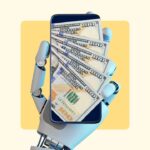 AI Apps Save Users $80-$500 Annually by Analyzing Spending Habits and Cancelling Subscriptions














