






















































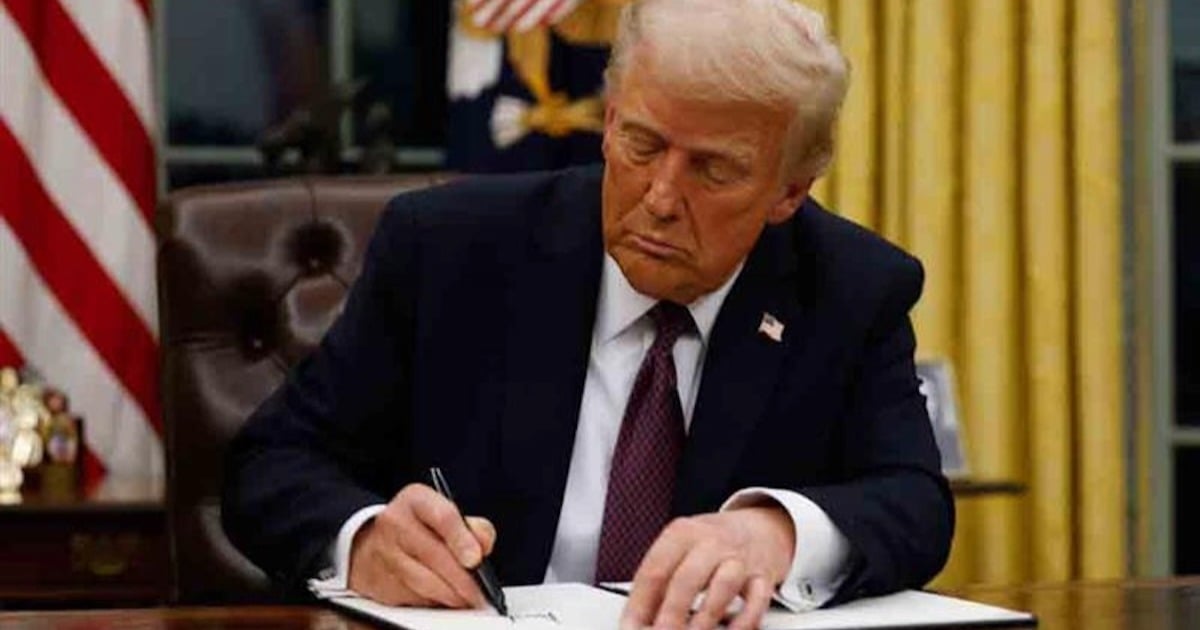
Former President Donald Trump has announced the formation of an Artificial Intelligence (AI) Task Force aimed at overseeing and challenging state regulations concerning AI technologies. The announcement comes amid a rapidly evolving landscape of AI advancements and increasing scrutiny from regulatory bodies.
The task force, which is set to include a range of experts from various tech sectors, has been established to promote innovation while addressing concerns related to data privacy, security, and ethical considerations surrounding AI applications. Trump emphasized the importance of fostering a supportive environment for AI development, stating that “we must ensure that America remains at the forefront of this transformative technology.”
As AI technologies continue to permeate various sectors, from healthcare to finance, state regulations have begun to emerge. These regulations aim to mitigate potential risks associated with AI, including bias in algorithms and the implications of automated decision-making. Trump’s task force seeks to engage with these regulations proactively, offering guidance and expertise to both state and federal policymakers.
The formation of the task force also signals a broader recognition of AI’s potential economic impact. Analysts predict that AI could contribute significantly to economic growth, potentially generating trillions of dollars in value. Trump’s initiative aims to harness this potential while ensuring that the regulatory framework does not stifle innovation.
Critics, however, have raised concerns about the implications of a federally-led approach to AI regulation. Some experts argue that a centralized task force might overlook nuanced issues that require state-specific solutions. They advocate for a more collaborative approach between federal and state governments to address the multifaceted challenges posed by AI technologies.
In recent months, various states have begun to introduce legislation aimed at regulating AI, with some jurisdictions exploring measures to require transparency and accountability from AI developers. Trump’s task force intends to monitor these developments closely and challenge regulations that it deems overly restrictive.
As the task force begins its work, it will also focus on promoting workforce development initiatives to ensure that Americans are equipped with the necessary skills to thrive in an AI-driven economy. This includes partnerships with educational institutions and training programs designed to prepare the future workforce for the demands of a technology-centric job market.
The establishment of the AI Task Force represents a significant step in the ongoing debate over the balance between innovation and regulation in the field of artificial intelligence. As AI technologies continue to evolve, the implications of this initiative will likely extend beyond the immediate regulatory landscape, influencing how AI is integrated into society and the economy.
Looking ahead, the task force’s actions will serve as a bellwether for the future of AI regulation in the United States. With various stakeholders invested in the outcome, the interplay between federal oversight and state regulations will be critical in shaping the trajectory of AI technologies and their societal implications.
See also Trump Signs Executive Order Halting State AI Regulations, Calls for Federal Oversight
 Parents Urge NY Governor Hochul to Sign RAISE Act for AI Safety Amid Big Tech Opposition
 Veeam Acquires Securiti AI to Enhance Data Resilience and Governance for Safe AI Adoption















