WEST LAFAYETTE, Ind. — Purdue University on December 12 unveiled an ambitious initiative called AI@Purdue, designed to integrate artificial intelligence across five key areas: Learning with AI, Learning about AI, Research AI, Using AI, and Partnering in AI. This comprehensive strategy aims to equip students, faculty, and staff with the skills and resources necessary to navigate and innovate within the rapidly evolving landscape of AI technology.
A significant component of this initiative includes the Board of Trustees’ approval of a pioneering graduation requirement for all undergraduate students on the main campus, mandating an “AI working competency.” Purdue President Mung Chiang emphasized the necessity of this requirement, stating, “The reach and pace of AI’s impact to society, including many dimensions of higher education, means that we at Purdue must lean in and lean forward.” This requirement will be implemented starting with new students in the fall of 2026, although resources will begin rolling out for current students as early as next semester.
The aim of the AI competency requirement is to ensure that students develop essential critical thinking skills related to AI. Trustees have authorized the provost to collaborate with academic deans to establish and continuously update the criteria and proficiency standards that will govern this competency. The initiative builds on the launch of new AI majors, minors, and certificates, and is underpinned by input from a university-wide working group and the Undergraduate Curriculum Council.
Purdue’s Provost Patrick Wolfe expressed enthusiasm for the new requirement, highlighting the importance of industry input in shaping the curriculum. He has requested that each academic college create an advisory board to align educational outcomes with the competencies sought by employers, ensuring that the AI curriculum remains relevant and forward-looking.
In addition to the competency requirement, Purdue is exploring ways to enhance teaching and learning through AI. Following rapid advancements in generative AI tools, the university’s Office of the Provost and University Senate plan to update existing guidelines on AI use in education by the end of the current academic year.
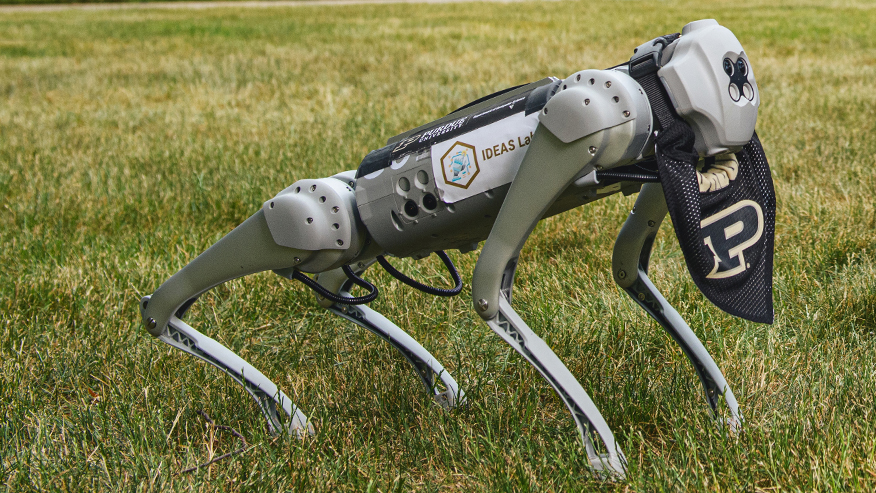
The AI@Purdue initiative also emphasizes research, particularly through the Purdue Institute for Physical AI (IPAI), which aims to facilitate innovation at the intersection of data and physical applications. This research will leverage AI to accelerate advancements across various fields.
On the operational side, Purdue is adopting various AI tools to enhance efficiency and productivity. Notable actions include the implementation of Microsoft 365 Copilot, the rollout of GenAI Studio for researchers, and the integration of automated bots to streamline procurement services. Additionally, the university is ramping up its cybersecurity capabilities through a partnership with Rapid7.
Purdue’s commitment to advancing AI education is further exemplified by its partnerships with industry leaders. Collaborations with Google and Apple aim to enhance educational offerings and research capabilities, preparing students to become future leaders in AI technology. The university’s strategic partnership with Arm will establish the Arm EducateAI Coalition, designed to prepare K-12 students for careers in technology.
As part of its broader communication strategy, Purdue has developed an AI-focused web portal that offers resources for learning, research, and collaboration, as well as guidelines on data security and governance. This comprehensive platform aims to engage students, faculty, and industry partners in a shared mission to advance AI education and research.
Purdue University, recognized as one of the top public universities in the U.S., continues to emphasize affordability and accessibility while fostering innovation across its campuses. With over 106,000 students enrolled, the institution is committed to preparing the next generation for the challenges and opportunities presented by AI and other emerging technologies.
See also UAE Advances AI in Life Sciences with National Genome Strategy and $10B Investment by 2031
 Verigram Unveils Machine Learning Model to Detect Virtual Camera Attacks in Biometric Systems
 Google Launches Gemini Deep Research API as OpenAI Reveals Powerful GPT-5.2 Model
 Machine Learning Enhances Lumbar Disc Degeneration Classification, Promises Personalized Treatment
 TCU Launches $10M AI² Initiative with Dell to Expand AI Research and Education