






















































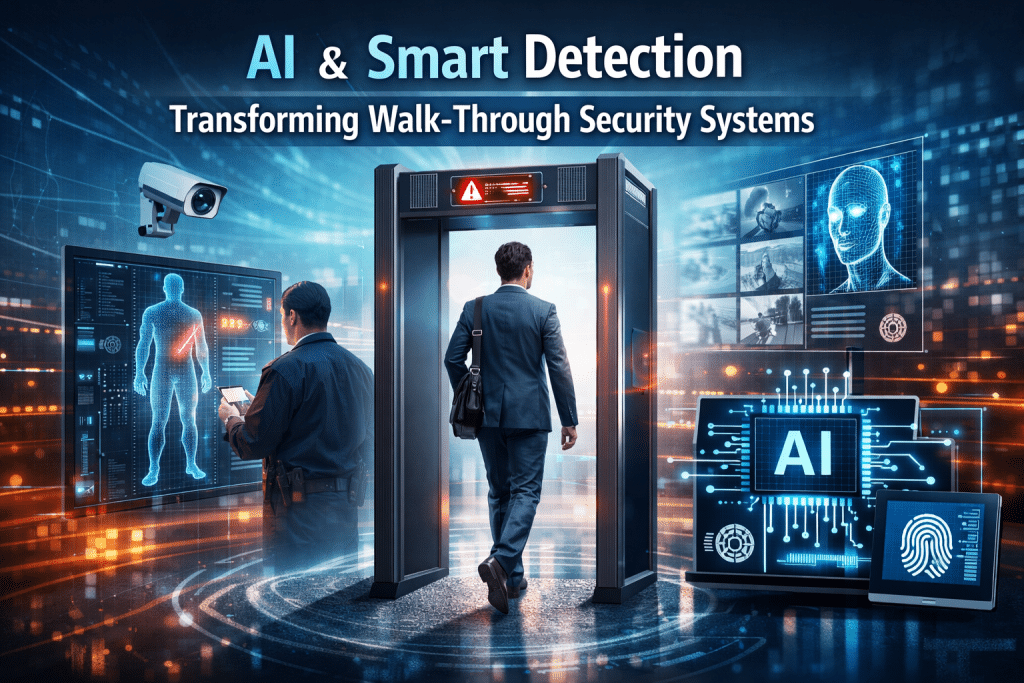
Recent advancements in security technology are reshaping how walk-through metal detectors operate, particularly in high-traffic environments such as airports and corporate buildings. Traditionally reliant on electromagnetic fields, these detectors have faced challenges such as high false alarm rates and difficulty distinguishing harmless items from potential threats. Today, the integration of Artificial Intelligence (AI) and smart detection technologies is ushering in a new era of efficiency and adaptability in security screening solutions.
The evolution of these systems highlights a significant transformation in threat detection capabilities. AI algorithms, trained on extensive datasets of both threat and non-threat objects, enable detectors to recognize patterns and make informed decisions. This capability allows modern detectors to effectively distinguish between personal items and dangerous objects, thus reducing false alarms and enhancing overall operational efficiency. As AI-powered systems learn and adapt over time, they provide real-time alerts and actionable insights, allowing security personnel to focus on genuine threats without diverting attention to unnecessary manual checks.
Moreover, advancements in smart sensor technology have contributed significantly to increased accuracy. Multi-zone sensors within these systems divide the scanning area into distinct segments, allowing for precise location identification of detected objects on a person’s body. For instance, if a potential threat is identified, the system can indicate its location, whether near the waist, chest, or legs. This targeted approach not only accelerates secondary screening but also enhances user experience, making the process more efficient and less intrusive.
AI-enabled walk-through detectors are particularly beneficial in high-traffic environments, where minimizing delays is crucial. These systems optimize throughput without compromising security standards, offering faster screening processes, reduced bottlenecks during peak hours, and minimal manual intervention. The seamless integration of these advanced systems with access control technologies further enhances operational efficiency and contributes to a more positive experience for users.
Importantly, modern walk-through detectors do not function as isolated devices; they are now part of a comprehensive security ecosystem. This interconnected framework encompasses CCTV cameras, access control systems, and data analytics platforms, all communicating with each other to provide centralized monitoring and control. The integration of AI facilitates predictive threat analysis and automated reporting, ensuring a higher level of situational awareness and proactive security management.
As AI-driven systems generate valuable data insights, organizations can analyze trends and optimize their security processes based on empirical evidence. For instance, analytics can reveal peak traffic times, congestion points, and types of detected items, which in turn informs strategic decision-making regarding security infrastructure. Such data-driven insights are critical in identifying vulnerabilities and enhancing overall security effectiveness.
Looking ahead, the future of walk-through security systems promises even greater innovation. Emerging technologies such as biometric integration, facial recognition, and Internet of Things (IoT) connectivity are expected to further enhance security capabilities. More sophisticated AI models will facilitate features like behavioral analysis for threat detection and support contactless, non-invasive screening methods. These advancements will likely lead to higher accuracy and reliability in security systems while minimizing the need for human intervention.
The ongoing evolution of AI and smart detection technologies signifies a substantial leap from basic metal detectors to sophisticated, data-driven security solutions. As organizations consider upgrading their security infrastructures, adopting advanced solutions like smart walk-through metal detectors will not only enhance threat detection accuracy but also improve efficiency and user experience. With growing concerns about safety, including questions surrounding the safety of metal detectors for vulnerable populations, the importance of balancing performance with user reassurance is paramount.
In an era where security demands are constantly evolving, AI-powered walk-through systems are poised to significantly influence the future of security across industries, making them indispensable tools in ensuring public safety.
See also Quest Software Launches AI-Powered Security Management Platform to Combat Identity Threats
 CTM360 Launches AI Tools to Enhance Fraud Detection and Threat Intelligence Efficiency
 Safe Pro Group Launches NODE-X AI Processor for Military Drone Threat Detection
 80% of Cybersecurity Investors Boost AI Spending in 2026, Demand Proof of ROI
 AI-Native Malware and Automated Exploit Kits Set to Transform Cyber Threats by 2026















