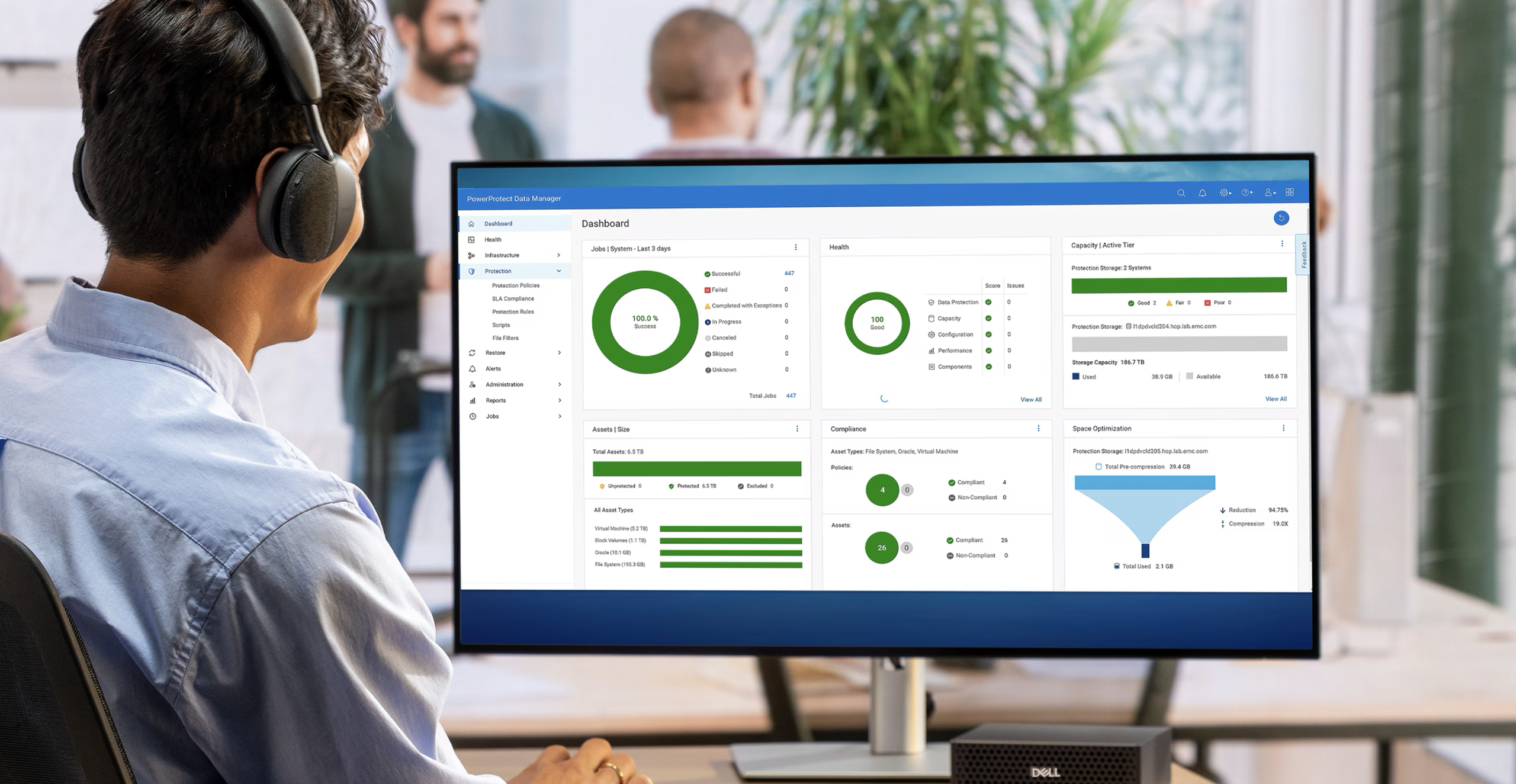
Dell Technologies has unveiled its enhanced PowerProtect Data Manager, a tool designed to bolster data security through advanced artificial intelligence. By utilizing machine learning (ML) algorithms, the platform can detect unusual backup activity that may indicate potential cyber threats, improving the response times for IT administrators facing malware and ransomware attacks. This proactive approach aims to transform backup processes from mere data preservation into a robust active defense against hidden data corruption.
Cyber-attacks are notorious for their ability to infiltrate and compromise backup systems, often going undetected for extended periods. According to IBM’s “Cost of a Data Breach 2025” report, it takes an average of 241 days to identify and contain an active breach across all industries. As a result, organizations often find themselves restoring corrupted data, leading to significant operational disruptions. By detecting anomalies in backup activity—such as unexpected increases in file changes—PowerProtect Data Manager enables administrators to respond promptly to these threats, minimizing potential damage.
Unlike traditional backup tools that indiscriminately copy files based on pre-set criteria, the PowerProtect Data Manager actively monitors for signs of suspicious behavior. Its Anomaly Dashboard provides a user-friendly interface for IT staff to investigate alerts, allowing them to quickly identify and quarantine potentially corrupt data. This capability is crucial for defending against ransomware, where malicious encryption can begin silently, and a system compromise may go unnoticed until it’s too late.
In addition to spotting anomalies, the software is designed to facilitate effective data recovery. When corruption is confirmed, PowerProtect automatically flags affected data, preventing it from being used as a restore point. This functionality streamlines the recovery process, allowing administrators to focus on restoring uncorrupted data rather than sifting through backup points for clean versions. Reportedly, only 13% of organizations are able to fully recover their data after a ransomware attack, underscoring the importance of quick and efficient recovery processes.
PowerProtect Data Manager extends its capabilities beyond simple anomaly detection. It orchestrates recovery efforts, ensuring that systems and applications are restored in the correct sequence, thereby reducing the likelihood of dependency errors and minimizing downtime. For instance, the platform can restore virtual machines (VMs) with Recovery Orchestration and then utilize application-aware technology to reinstate business applications running on those VMs. This orchestration of recovery is critical for minimizing disruption to business operations.
Moreover, the platform is compatible with various architectures, including on-premises, hybrid, and multi-cloud environments. This flexibility allows the PowerProtect Data Manager to protect a wide range of workloads, from conventional documents to AI datasets and Kubernetes clusters. Integration with PowerProtect Data Domain enhances its efficiency by managing large backup sets with high data throughput and built-in deduplication features. Additionally, the most sensitive data can be protected through PowerProtect Cyber Recovery, which keeps secure copies isolated from the primary network to mitigate risks associated with ransomware.
In the current landscape where data breaches are becoming increasingly sophisticated, Dell PowerProtect Data Manager positions itself as an essential tool for organizations aiming to enhance their cyber resilience. By transforming backup protocols into a critical component of data protection strategies, it empowers businesses to not only reactively respond to incidents but also proactively guard against them.
For companies reliant on data integrity, the introduction of PowerProtect Data Manager marks a significant development in safeguarding digital assets. With its advanced threat detection capabilities and streamlined recovery processes, Dell is not only addressing immediate concerns but laying the groundwork for a more resilient data management framework in the face of evolving cyber threats.
See also Unauthorized Group Breaches Anthropic’s Mythos AI Tool, Raising Security Concerns
 Anthropic Warns of Cyber Threats from Agentic AI as Claude Mythos Launch Approaches
 Anthropic Cyberattack Exposes Vulnerabilities in AI Models, Highlights Security Risks
 South Korea’s Intelligence Warns of AI-Powered Cyberattacks Using Anthropic’s Mythos
 Anthropic’s Mythos Reveals AI’s Role in Accelerating Cyber Threats and Governance Needs