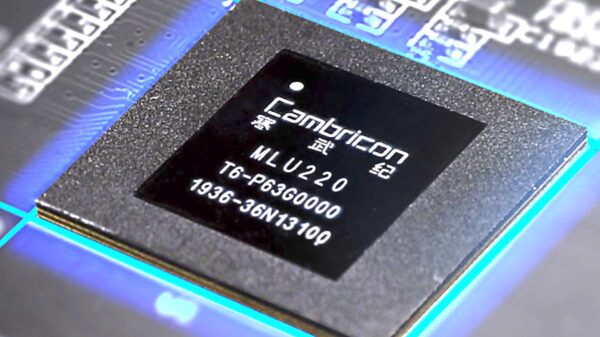
Alex Davis, chief executive of the Austin-based investment firm Disruptive, has issued a stark warning regarding the speculative data-center market, predicting a “significant financing crisis” could emerge as soon as 2027 or 2028. This caution comes in the wake of a landmark deal in which Disruptive facilitated Nvidia’s largest transaction ever, involving assets from the AI chipmaking startup Groq, which Disruptive has supported since its inception. The deal, estimated at around $20 billion in cash, is a testament to the aggressive expansion efforts by Nvidia to consolidate its position in the AI landscape.
In a letter to investors, Davis criticized the prevalent “build it and they will come” mentality among third-party data-center developers. He expressed concerns about the imbalance between who is constructing AI infrastructure and who will ultimately utilize it, arguing that many current business models lack realistic paths to margin expansion. “We are seeing way too many business models (and valuation levels) with no realistic margin expansion story, extreme capex spend, lack of enterprise customer traction,” he stated, indicating a troubling trend within the sector.
The warning, first reported by Axios, comes at a time when capital is flooding into AI-related ventures, sparking fears of overextension and potential market instability. Davis noted that while demand for AI computing resources is unlikely to diminish, the influx of funding has disproportionately benefited speculative landlords who depend on short-term financing. In contrast, established tech giants, or hyperscalers, such as Microsoft and Meta, are more positioned to absorb the substantial upfront costs of building and maintaining their data centers.
“If you’re a hyperscaler, you will own your own data centers,” Davis wrote, emphasizing a shift towards a model where owner-users dominate the market. This transition could put significant financial strain on legacy wholesale companies like Digital Realty and Equinix, which operate as real estate investment trusts (REITs) that lease capacity to tech giants. As these companies face the prospect of refinancing debt amid tightening market conditions, their viability could be jeopardized, even if overall demand for AI compute continues to grow.
Davis did not specify names in his letter, but his concerns about “speculative landlords” suggest a looming threat to traditional data center operators. The potential for increased refinancing pressure coinciding with upcoming debt maturities raises alarms about the stability of private credit markets. This could lead to a broader ripple effect across the industry if financing conditions become restrictive.
Commenting on the ongoing market dynamics, Davis’ views align with those of noted short-seller Jim Chanos, who has warned that data center hosting is evolving into a “commodity business.” Chanos contends that the value in AI will ultimately derive from the chips themselves, rather than the facilities that house them. Both investors echo a sentiment of caution towards third-party landlords rushing into the AI space, signaling a potential reckoning in the industry.
Despite these warnings, Davis remains optimistic about the future of AI technology. He affirmed his commitment to investing in core technological advancements, having deployed billions into various sectors vital to the AI economy, including Groq and open-source model developers. He described the current wave of AI innovation as a “once-in-a-lifetime” opportunity, even as he cautioned investors to maintain discipline amid rising risks. “While I continue to believe the ongoing advancements in AI technology present ‘once in a lifetime’ investment opportunities, I also continue to see risks and reason for caution,” he concluded.
See also AI Transforms Personal Finance Management: Balancing Automation with Human Insight
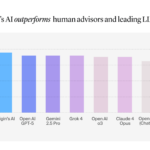 Origin Launches SEC-Regulated AI Financial Advisor Scoring 98.3% on CFP® Exam
 GCC Banks Set to Leverage AI and Embedded Finance for $340B Value by 2026
 Nvidia Sees 1% Stock Rise Amid 2M Orders for H200 AI Chips from China
 HONESTAI Secures $10M Funding to Enhance AI-Powered Banking-as-a-Service Platform