






















































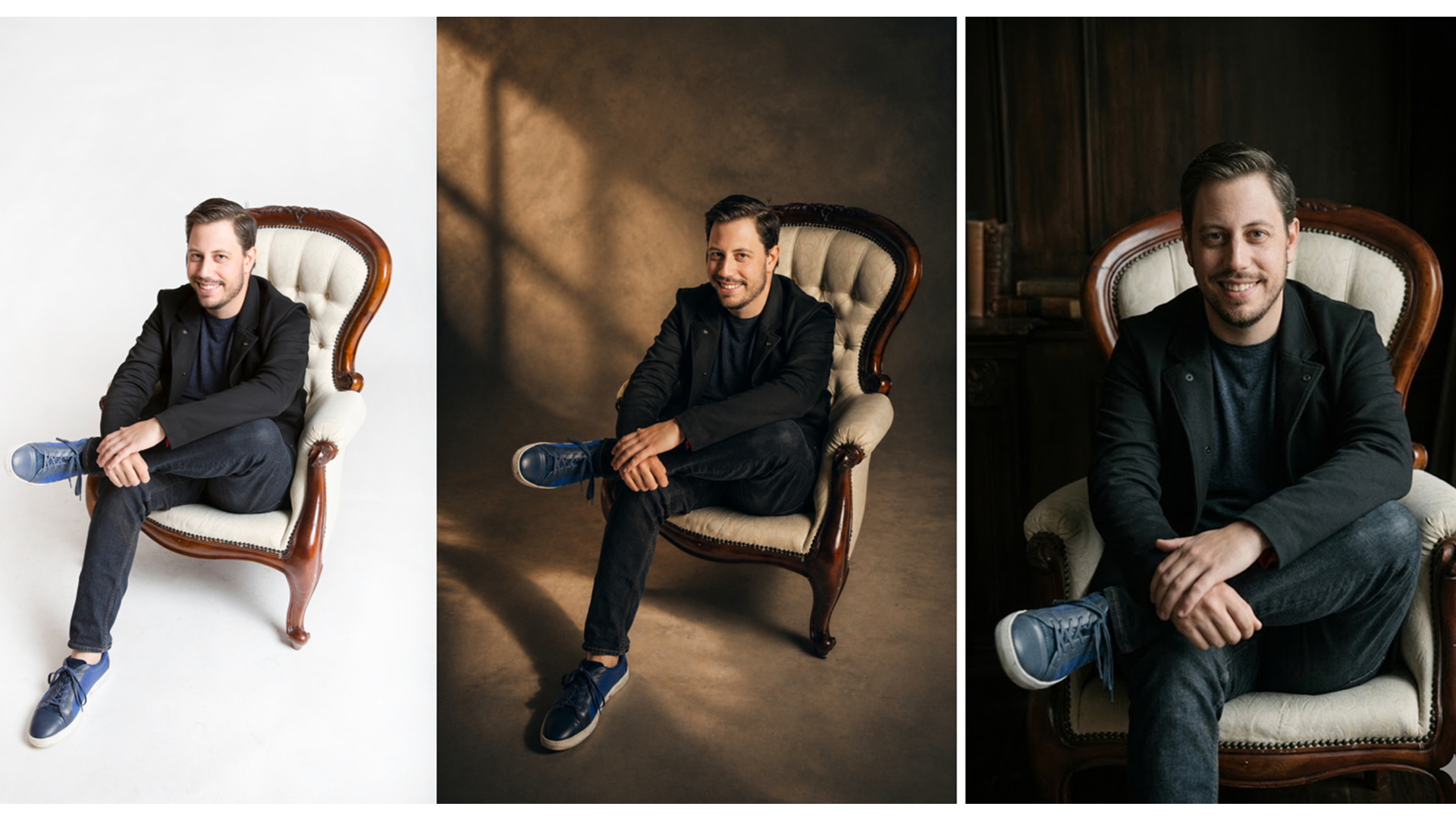
OpenAI has positioned the launch of ChatGPT Images 2.0 as a significant advancement in AI image generation technology, suggesting it marks a paradigm shift in the functionalities of such tools. However, a comparative analysis with Gemini’s Nano Banana 2 raises questions about the practical improvements each model offers. The focus of this evaluation leans toward real-world applications, particularly how each model enhances existing photographs rather than merely generating new images from abstract prompts.
The editing capabilities that consumers typically seek involve substantial alterations to images—changing lighting, adjusting moods, or altering seasonal appearances. While AI-generated images can be impressive, they often falter in rendering faces accurately and maintaining believable lighting dynamics. This article reports on a series of tests using both ChatGPT Images 2.0 and Nano Banana 2 on the same starting image to evaluate their performance in real-world scenarios.
The first test involved a basic studio portrait, where both models were tasked with transforming the background to depict a park during the golden hour. ChatGPT’s rendition exhibited a level of realism that convincingly integrated the original subject with the new background. The lighting and shadows reflected a coherent source, adding depth to the image. In contrast, Nano Banana 2’s output was visually striking but leaned toward a stylized portrayal, with lighting inconsistencies and an overly smoothed facial representation that detracted from the authenticity of the scene.
The results from this initial exercise highlighted ChatGPT as the superior model, suggesting it handles complex lighting better than its competitor. A subsequent cinematic style test aimed to assess both models’ interpretations of mood. ChatGPT maintained a studio-like feel while pushing the boundaries of realism, employing a warm backdrop and natural light dynamics. Nano Banana 2 opted for a fictionalized setting that favored dramatic styling but ultimately sacrificed authenticity.
Shifting focus to product marketing, both AI models were provided with an image of AirPods and asked to enhance it within a real-world context. ChatGPT’s version stood out for its realistic desk setting, demonstrating nuanced lighting and reflections that suggested interactivity with nearby objects. In contrast, Nano Banana 2’s output resembled a polished product shot, lacking in environmental realism, with its clean, tidy arrangement appearing less relatable.
Another test involved altering a vibrant lawn scene to reflect autumn foliage. ChatGPT succeeded in creating a dynamic portrayal, with color variations and scattered leaves evoking a natural transition. Conversely, Nano Banana 2 presented a more uniform edit, which felt less organic and did not capture the sporadic nature of seasonal change.
Throughout these various assessments, one recurring theme emerged: while Nano Banana 2 tends to produce images more quickly, ChatGPT Images 2.0 consistently outperformed it in terms of realism. In blind tests conducted with individuals unaware of which model was altered, ChatGPT was often selected as the more authentic representation. This suggests that the model’s attentiveness to lighting behaviors, texture interactions, and facial nuances contributes to a more lifelike output, even if it requires additional processing time.
Ultimately, while both AI tools are capable of generating visually appealing images, the fundamental difference resides in their ability to evoke realism. ChatGPT Images 2.0 not only creates aesthetically pleasing images but also maintains a higher fidelity to real-life scenarios, establishing itself as the overall winner in this comparative analysis.
See also Talkie Launches Vintage LLM Trained on Pre-1930 Data for Historical Insights
 DeepSeek Launches V4 AI Model with Enhanced Reasoning and Agentic Capabilities
 AI Could Potentially Eliminate Over 4% of Jobs, Warns Jobs and Skills Australia
 Georgia Tech Unveils Diffusion-DFL AI Model, Boosting Decision Accuracy by Over 99%
 Nvidia Launches Nemotron 3 Nano Omni, Open Model with 30B Parameters and Advanced Multimodal Capabilities














