






















































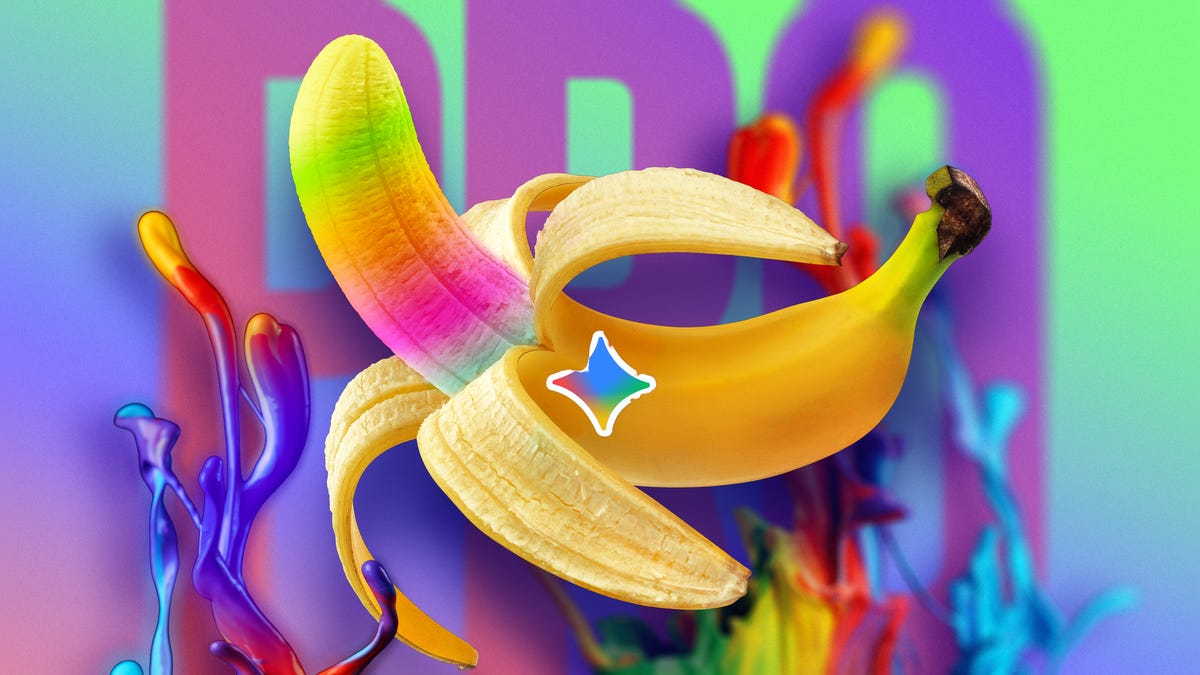
Google’s latest AI image generation tool, the Nano Banana Pro, has made a significant impact since its release, quickly establishing itself as a leading player in the AI imagery space. Utilizing the advanced Gemini 3 Pro model, this tool excels at producing high-quality, ultrarealistic images, even incorporating legible text effectively—a feat previously elusive in AI-generated art.
In a recent evaluation, the Nano Banana Pro received an impressive score of 8.0/10, praised for its ability to generate detailed images that creatively fulfill user prompts. The tool is noted for its extensive knowledge base, which enhances the realism of the visuals it creates. Users have found it particularly effective for producing graphics that balance both creativity and precision, making it a versatile tool for various applications.
However, the prowess of the Nano Banana Pro is accompanied by certain drawbacks. Users have reported instances of factual inaccuracies that resemble the shortcomings of chatbots. While the model is capable of generating compelling images, it occasionally produces content that misrepresents facts or context, raising concerns about the reliability of information derived from its outputs. Furthermore, the processing times for generating images are longer, typically ranging from 50 to 120 seconds, which may deter users seeking quicker results.
The implications of these advancements in AI image generation are profound. The Nano Banana Pro illustrates a remarkable leap forward in blending reality with AI-generated imagery, challenging traditional perceptions of authenticity. Creators can now generate images that blur the lines between reality and artificiality, a development that comes with both creative possibilities and ethical dilemmas.
In practice, the Nano Banana Pro showcases its capabilities through various examples. For instance, it adeptly produced an image depicting a fictional score of a basketball game, complete with accurate logos and colors. The integration of text into images, which has historically been a weak point for AI models, was executed flawlessly, allowing for clearer communication of ideas and narratives through imagery. This breakthrough is particularly significant as it addresses a common criticism of AI-generated content.
Nevertheless, the model’s limitations cannot be overlooked. Users have encountered challenges when attempting to render specific copyrighted materials, especially in cases involving popular music or brands. This reflects Google’s cautious approach to avoid potential copyright infringements, an area that remains sensitive in the rapidly evolving AI landscape.
The editing capabilities of the Nano Banana Pro also merit discussion. While the tool demonstrates marked improvements over its predecessor, particularly in background alterations and lighting adjustments, it still lacks the granular control that some users may desire. For complex edits or detailed refinements, traditional software like Photoshop remains a preferred choice.
In comparing the original Nano Banana model to the Pro version, it is evident that while the Pro offers superior image quality and creative potential, it sacrifices speed for depth. The original model generates images in under 30 seconds, making it suitable for quick tasks, while the Pro model is geared toward users requiring more intricate and polished outputs.
As AI-generated imagery becomes increasingly sophisticated, concerns around misinformation are amplified. The ability of the Nano Banana Pro to create visually convincing but factually inaccurate content poses significant risks, particularly in contexts where accuracy is paramount. The potential for misuse by bad actors who exploit these technologies for misleading purposes raises ethical questions that the industry must address proactively.
In conclusion, the Nano Banana Pro stands as a testament to the ongoing evolution of AI in creative domains. Its capabilities push the boundaries of what is possible in digital imagery, offering remarkable opportunities for creators while simultaneously presenting challenges that must be navigated carefully. As the line between real and AI-generated content continues to blur, vigilance and critical assessment of produced imagery will be essential in mitigating potential misinformation and misuse in the digital landscape.
See also DeepMind’s Demis Hassabis Reveals 3 AI Trends Shaping 2026: Multimodal Models and More
 ElevenLabs Launches AI Voice Marketplace Featuring Celebrity Icons for Ethical Licensing
 Agentic AI Offers Legal Ops New Path to Efficiency Beyond Generative AI
 UK Cyber Agency Warns Persistent Prompt Injection Flaw Threatens LLM Security














