























































As artificial intelligence (AI) becomes increasingly integral to corporate operations, its dual role as both a catalyst for sustainability and a potential environmental burden is prompting a reevaluation of governance strategies among companies. With rising demands for electricity and water driven by expansive data center operations, firms are now tasked with managing the environmental and geopolitical implications of their AI activities as part of their critical infrastructure.
Experts emphasize the need for companies to elevate AI governance to the board level, integrating deployment strategies with enterprise risk management. This includes establishing explicit key performance indicators (KPIs) for energy intensity, water consumption, and supply chain ethics. Such oversight is crucial as AI’s role in data analytics and reporting presents opportunities for energy optimization and emissions monitoring, thereby enhancing corporate sustainability efforts.
However, the rapid expansion of AI is colliding with increasing electricity and water requirements. Data centers, which are pivotal for AI operations, already account for approximately 4.4% of total electricity consumption in the United States, a figure likely to rise as AI workloads grow. Projections from the U.S. Department of Energy indicate that by 2028, a substantial portion of this electricity will stem from AI activities, particularly in the continuous inference capabilities that power AI features in everyday products.
The implications extend beyond energy use; AI’s operational demands place significant pressure on local water supplies. Data centers consume vast amounts of water for cooling and energy generation. In fact, the average data center uses water equivalent to that consumed by 4,200 people in a day. This is particularly concerning in areas already facing water scarcity, where over 20% of U.S. data centers are drawing water from stressed watersheds, a trend observed globally.
Furthermore, the geopolitical landscape complicates matters, as the hardware essential for AI—particularly advanced chips—relies on concentrated supply chains vulnerable to risks such as export controls and resource nationalism. The sourcing of critical materials like lithium and cobalt often occurs in regions fraught with human rights and environmental concerns, amplifying the risks for companies dependent on these resources.
In response to these challenges, businesses are encouraged to demand transparency regarding the environmental impact of their AI infrastructures. This includes obtaining detailed forecasts from suppliers about expected energy and water usage tied to AI workloads, coupled with assessments of local resource availability. Companies employing AI should also advocate for clarity throughout their supply chains, extending due diligence efforts to downstream suppliers involved in extracting and processing critical minerals.
While aligning corporate governance with sustainability practices presents challenges—especially in achieving supply chain transparency—industry leaders must recognize the strategic importance of managing these risks. Companies that proactively seek detailed information from their AI infrastructure providers can signal a commitment to sustainability, potentially preserving the trust necessary to thrive in an increasingly AI-driven economy.
Ultimately, the intersection of AI and sustainability presents both opportunities and obstacles for businesses. Organizations that can effectively govern the environmental and geopolitical dimensions of their AI operations are likely to not only mitigate risks but also harness the full potential of AI to drive sustainable practices moving forward.
See also DeSantis Opposes Trump’s Federal AI Regulation Push, Advocates for State Control
 India’s AI Governance Guidelines Transform Auto Sector, Shifting Liability to Manufacturers
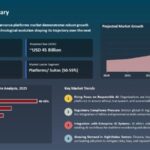 Europe’s AI Ethics Platforms Market Forecast to Soar to $45.3 Billion by 2035 Amid Regulatory Shift
 India’s Privacy Law: Calls for Real-Time Accountability as AI Data Demands Shift
 UK Government Launches AI Growth Lab to Accelerate Adoption Amid Regulation Hurdles















