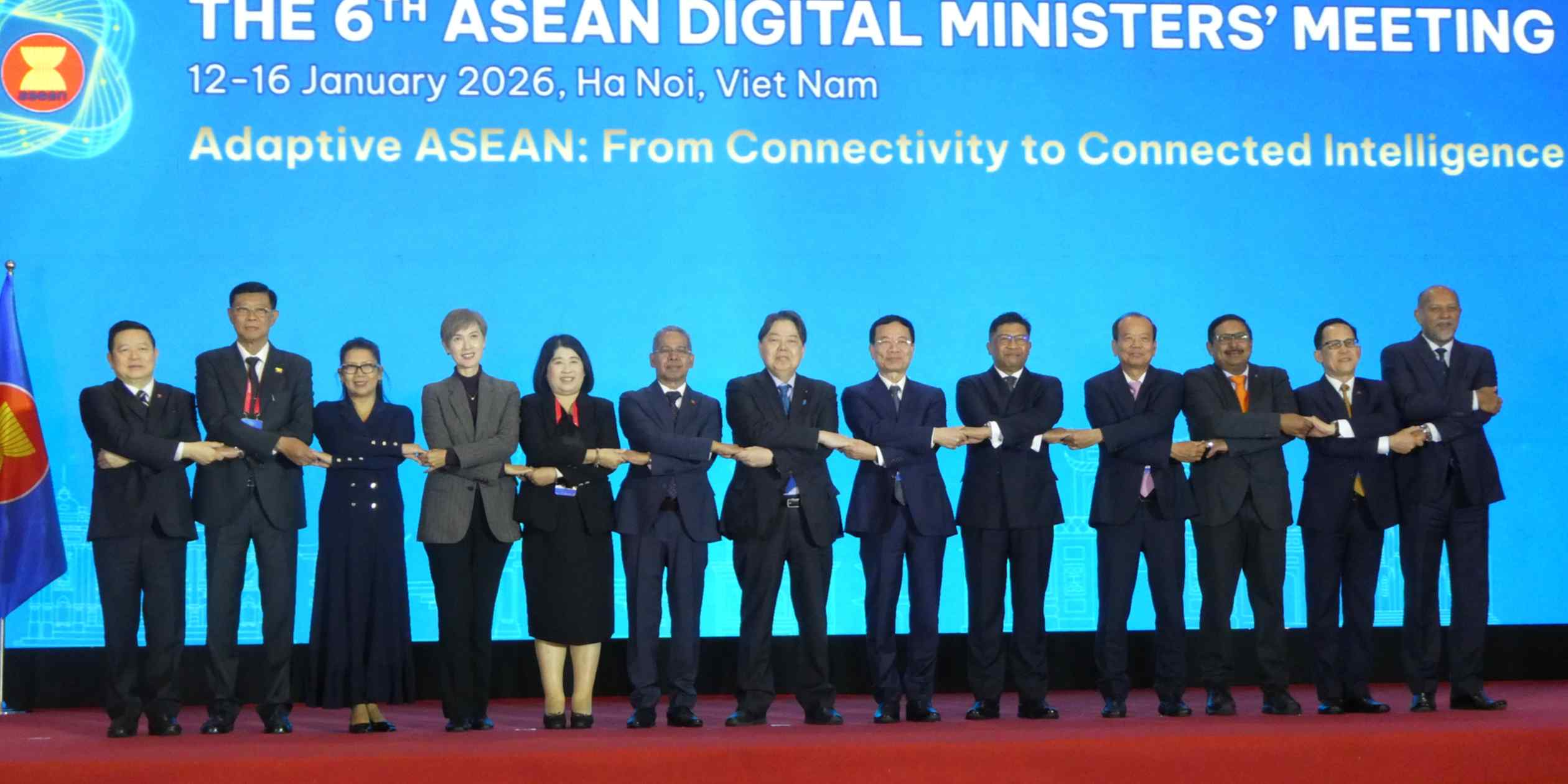
HANOI — Japanese and ASEAN officials agreed on January 15 to collaborate on the development of artificial intelligence (AI) tailored specifically to Southeast Asian languages and cultural contexts. This agreement, reached during a meeting in Hanoi, aims to reduce the region’s reliance on Chinese technology, which has been a growing concern among member nations of the Association of Southeast Asian Nations (ASEAN).
The meeting brought together digital ministers from Japan and the ten ASEAN member states, signaling a renewed focus on fostering local AI capabilities. The initiative is seen as a vital step for countries in the region, as they seek to create AI solutions that are not only linguistically relevant but also culturally appropriate. The collaboration is expected to harness local expertise and resources, thereby enhancing the digital autonomy of these nations.
ASEAN nations have increasingly expressed the need to develop their own technological capabilities amid ongoing geopolitical tensions and reliance on foreign technology. In recent years, concerns have been raised about data privacy, security, and sovereignty, particularly in relation to Chinese tech firms whose influence has expanded across the region.
Japan’s involvement in this initiative underscores its commitment to supporting Southeast Asia’s digital transformation. By investing in AI research and development, Japan aims to strengthen its ties with ASEAN and position itself as a key partner in the region’s technological advancement. The cooperation could also serve as a counterbalance to the growing dominance of Chinese technology in Southeast Asia.
The digital ministers discussed various strategies for localizing AI technologies, including the creation of language-processing tools that cater to diverse dialects and cultural nuances present in ASEAN countries. Such solutions are crucial for ensuring that AI applications are accessible and relevant to local populations, particularly in areas such as education, healthcare, and business.
Furthermore, this collaboration is expected to open up avenues for knowledge sharing and joint research initiatives, fostering an ecosystem of innovation that can benefit all participating nations. By pooling resources and expertise, ASEAN members and Japan can better tackle common challenges while promoting regional stability and cooperation.
As the digital landscape continues to evolve, the focus on local AI development is likely to become increasingly important. The agreement highlights a shift towards self-reliance and an emphasis on building technological capacities that reflect the unique characteristics of Southeast Asian societies. This move not only enhances the region’s technological independence but also contributes to a more balanced technological landscape in the Asia-Pacific region.
In conclusion, the agreement between Japan and ASEAN represents a significant step towards localized AI development tailored to the unique needs of Southeast Asia. As nations in the region strive to navigate an increasingly complex technological environment, this collaboration is a promising sign of collective efforts to foster innovation and reduce dependency on foreign technology.
See also Rep. Cody Maynard Proposes Trio of AI Safeguards in Oklahoma Legislature
 AMD’s Ryzen AI Max+ 392 Achieves 2,917 Single-Core, 18,071 Multi-Core Geekbench Scores
 AMD Launches Ryzen AI Embedded Processors with Up to 50 TOPS for Edge Applications
 Aveva Launches Four AI Tools for Unified Engineering, Enhancing Design Efficiency and Collaboration
 Global AI Computing Power Surges; Intelligent Power Expected to Exceed 90% by 2030